

Developed and produced by Hughes Aircraft Company and originally conceived through the F-111 program, the Air Weapons Group Nine (AWG-9) avionic system found a home in the Grumman F-14 Tomcat variable-geometry twin-engine all-weather interceptor/air-superiority fighter and when mated with the AIM-54 Phoenix Air-to-Air missile (AAM), the Tomcat was the most deadly fleet defense weapon of its time.


 theaviationist.com

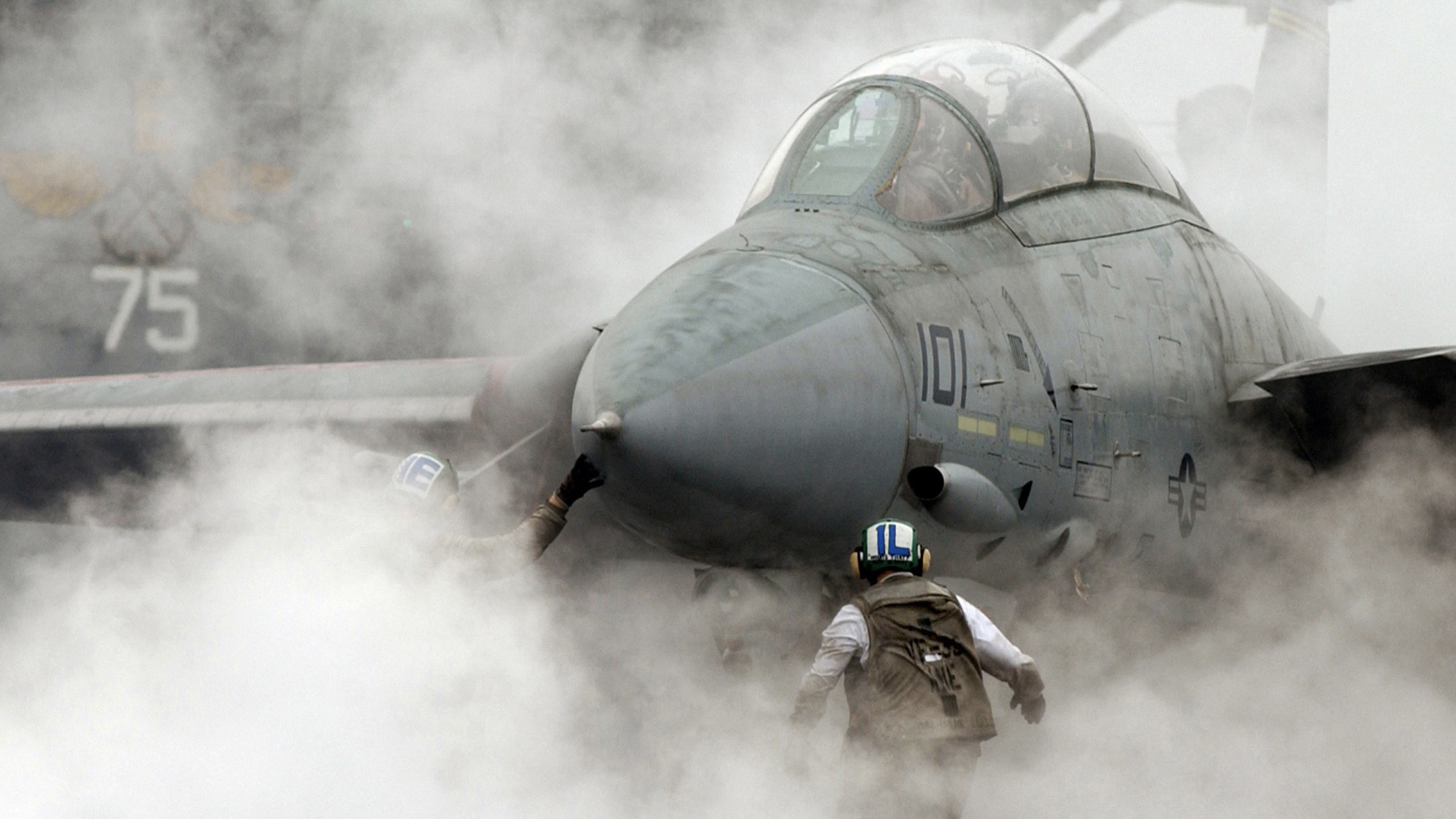
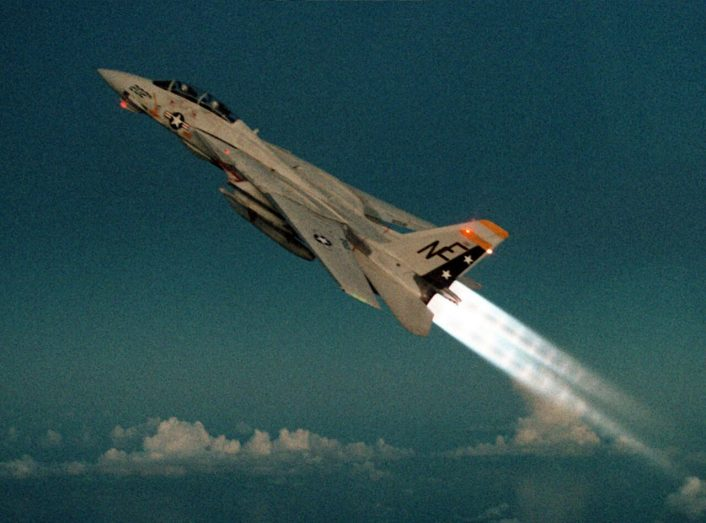
The F-14 is a symbol of American air power and naval might, with its distinctive look with wings swept fully to the rear and at full afterburners.
The combination of a great aircraft design, a powerful radar, and an impressive long-range missile made the Tomcat top dog during its time with the fleet.
The APG-71 was an upgrade of the AWG-9 for the F-14D with significant improvements. Those included processing speed, clutter rejection, detection range, and mode flexibility. The system utilized technology and modules from the F-15E Strike Eagle and contained many features to make the radar less susceptible to jamming. The system had a range of 230 miles and a datalink that allowed radar data from two or more F-14Ds to operate the system at maximum range.
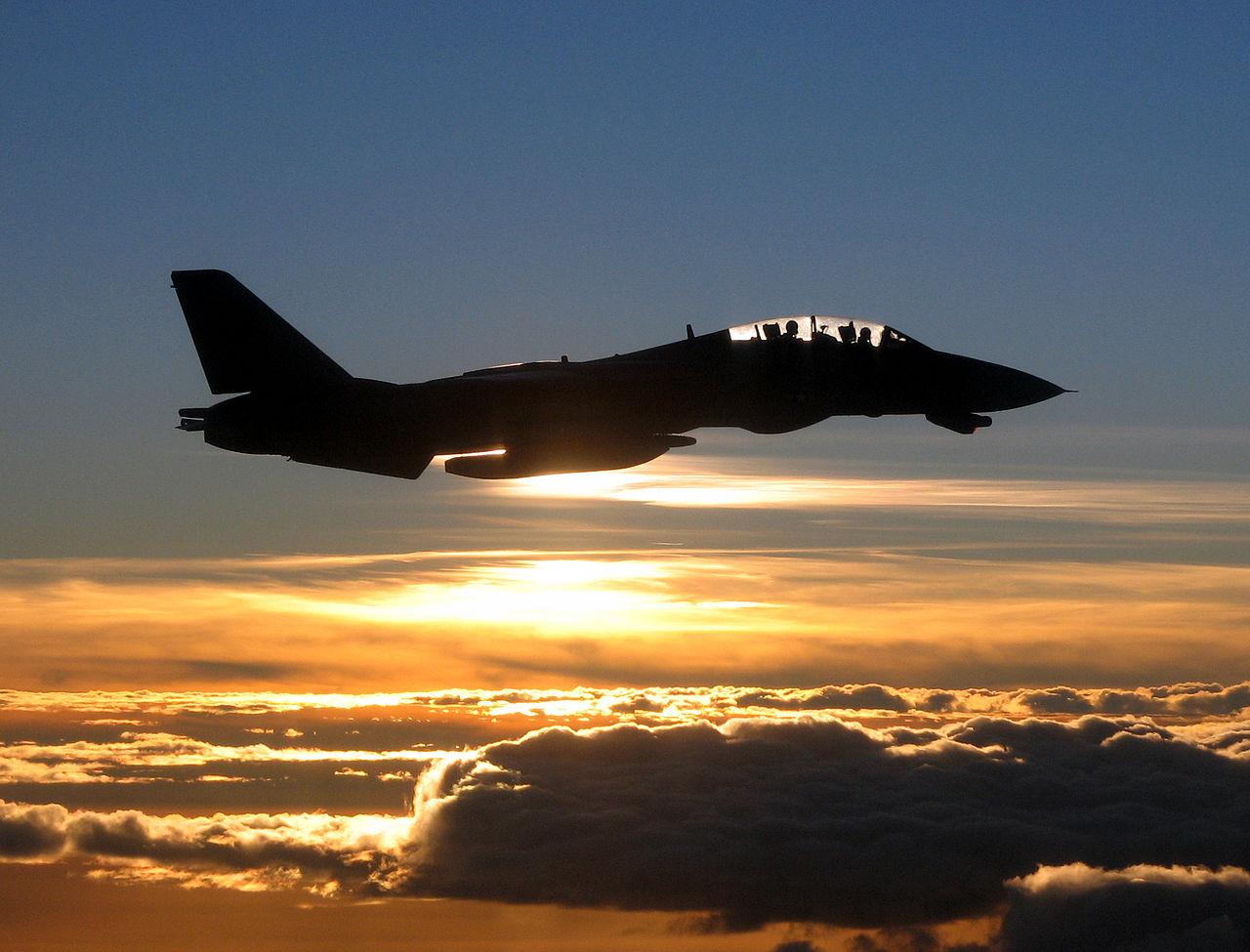
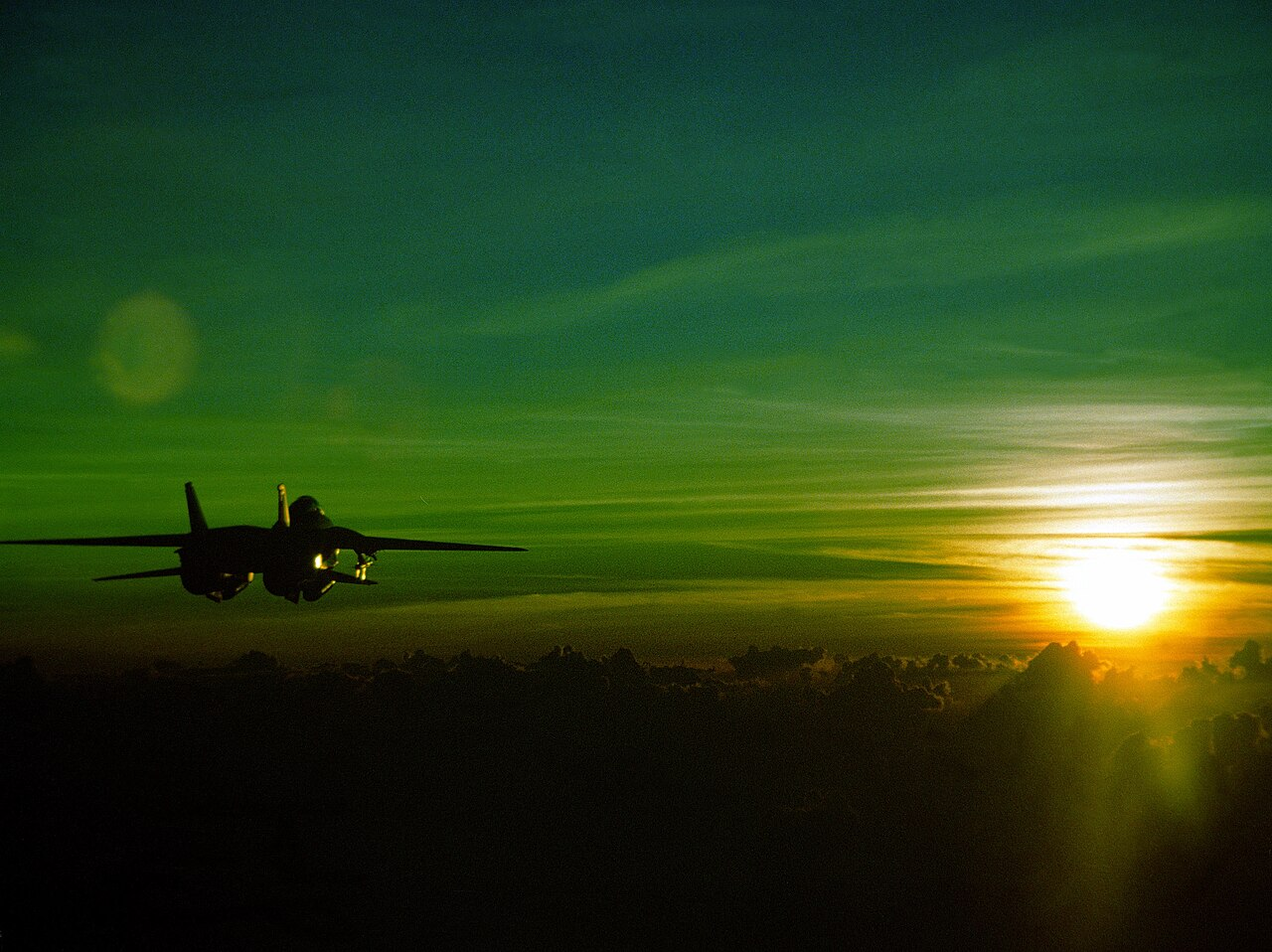
How the F-14 Tomcat was Top Dog: A Look at the AWG-9 Radar System
Developed by Hughes through the F-111 program, the AWG-9, mated with the AIM-54 Phoenix, made the Grumman F-14 Tomcat the most deadly fleet defense weapon
theaviationist.com
The F-14 is a symbol of American air power and naval might, with its distinctive look with wings swept fully to the rear and at full afterburners.
The combination of a great aircraft design, a powerful radar, and an impressive long-range missile made the Tomcat top dog during its time with the fleet.
The APG-71 was an upgrade of the AWG-9 for the F-14D with significant improvements. Those included processing speed, clutter rejection, detection range, and mode flexibility. The system utilized technology and modules from the F-15E Strike Eagle and contained many features to make the radar less susceptible to jamming. The system had a range of 230 miles and a datalink that allowed radar data from two or more F-14Ds to operate the system at maximum range.

