

Developed in the 1990s and fielded widely to deploying troops after September 11th, the Modular Lightweight Load-Carrying Equipment system (MOLLE, pronounced “molly”) replaced the previous-generation rucksack and load-bearing belt and suspenders known as ALICE. The ALICE generation kit had served the military through Vietnam, the Cold War, and into the 1990s, but the tactical kit needed an update.


 warontherocks.com
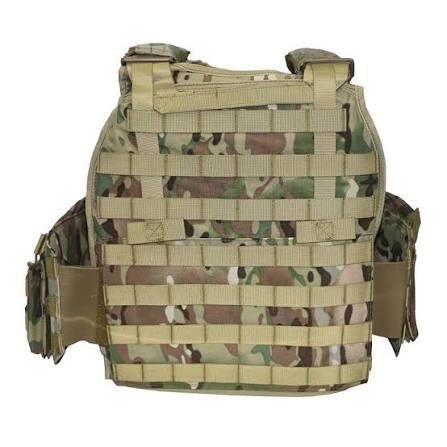
MOLLE was not, by itself, a significant innovation. An external frame backpack made of high-denier nylon is still just a backpack. A smaller “assault pack” formally gave soldiers a medium-sized option that they had informally been carrying through the late 1990s. The more important innovation was the Pouch Attachment Ladder System (PALS), the standardized grid of webbing that allows pouches and equipment to be attached to packs, belts, vests, and armor.
PALS, developed by John Kirk, is a remarkable innovation for three reasons. First, PALS solved a problem, but it is neither an end product (like a weapon, tool, or vehicle) nor a breakthrough technology. Second, PALS enabled the creation of a platform (a common base for easy customization). Third, PALS reflected the military’s shift towards individuality and personalization.
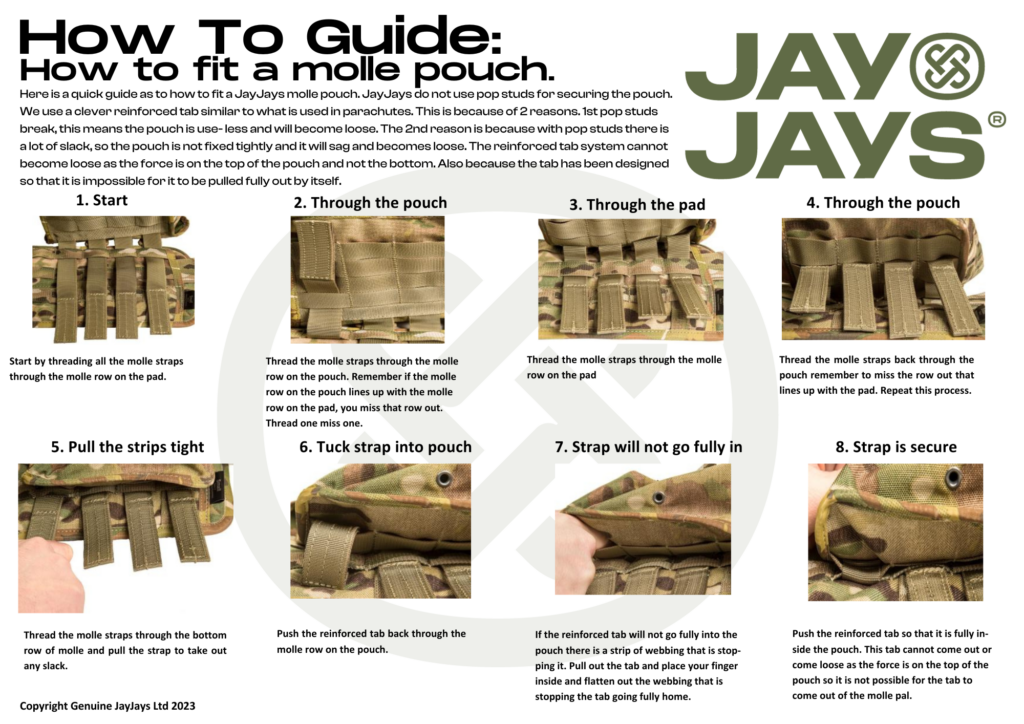
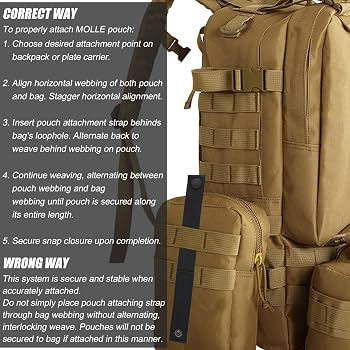
MOLLE, PALS, and the Empty Loops of America’s Civil-Military Divide
Editor’s note: This is the third article in a limited series celebrating American defense technologies born from wartime and their effects on broader
MOLLE was not, by itself, a significant innovation. An external frame backpack made of high-denier nylon is still just a backpack. A smaller “assault pack” formally gave soldiers a medium-sized option that they had informally been carrying through the late 1990s. The more important innovation was the Pouch Attachment Ladder System (PALS), the standardized grid of webbing that allows pouches and equipment to be attached to packs, belts, vests, and armor.
PALS, developed by John Kirk, is a remarkable innovation for three reasons. First, PALS solved a problem, but it is neither an end product (like a weapon, tool, or vehicle) nor a breakthrough technology. Second, PALS enabled the creation of a platform (a common base for easy customization). Third, PALS reflected the military’s shift towards individuality and personalization.