

While we tend to remember 1776 as an amazing year highlighted by the signing of the Declaration of Independence that summer, the reality is that the year was hardly a resounding success for Americans.
It is a story so well known it has become a meme. “Americans: Willing to cross a frozen river to kill you in your sleep on Christmas.” George Washington’s Continental Army, having suffered a series of major setbacks in the fighting around New York City in the summer and fall of 1776, launched a surprising counterattack on Dec. 26, 1776. Crossing the icy Delaware River on Christmas night, Washington’s army surprised and captured almost 1,000 brutal Hessian mercenaries, drunk from Christmas celebrations.

These troops were fighting on the British side, sent to America by their greedy monarchs. The victory over these drunken mercenaries raised the morale of the Continental Army, convincing many of the patriots to stay on and reenlist for an additional six weeks. As a result, future battles hinged on the success of Trenton, making this a turning point in the war. In this telling, a free army of American citizen-soldiers triumphed over the hireling corruption of European despotism. Ergo, a sort of American Christmas miracle.
The trouble is, many elements of this familiar story aren’t quite right. They rely on an overly simplistic understanding of the Revolutionary War.
Who Were the Hessians?


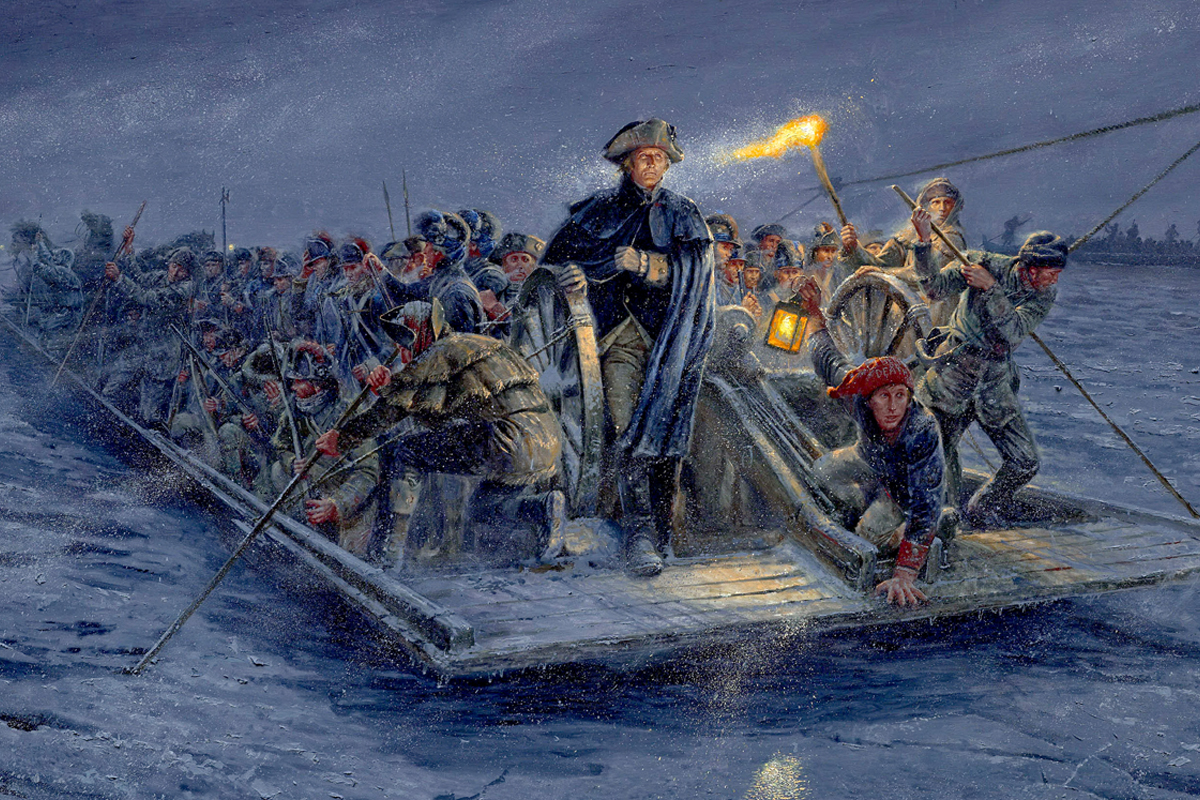
 freerangeamerican.us

In recent years, the painting of George Washington crossing the Delaware River in the Christmas cold, currency housed at the Metropolitan Museum of Art, has been co-opted by the meme community to sum up the historic event in a few patriotic-if-simplistic lines: “Americans: Willing to cross a frozen river to kill you. In your sleep. On Christmas. Totally not kidding. We’ve done it.”
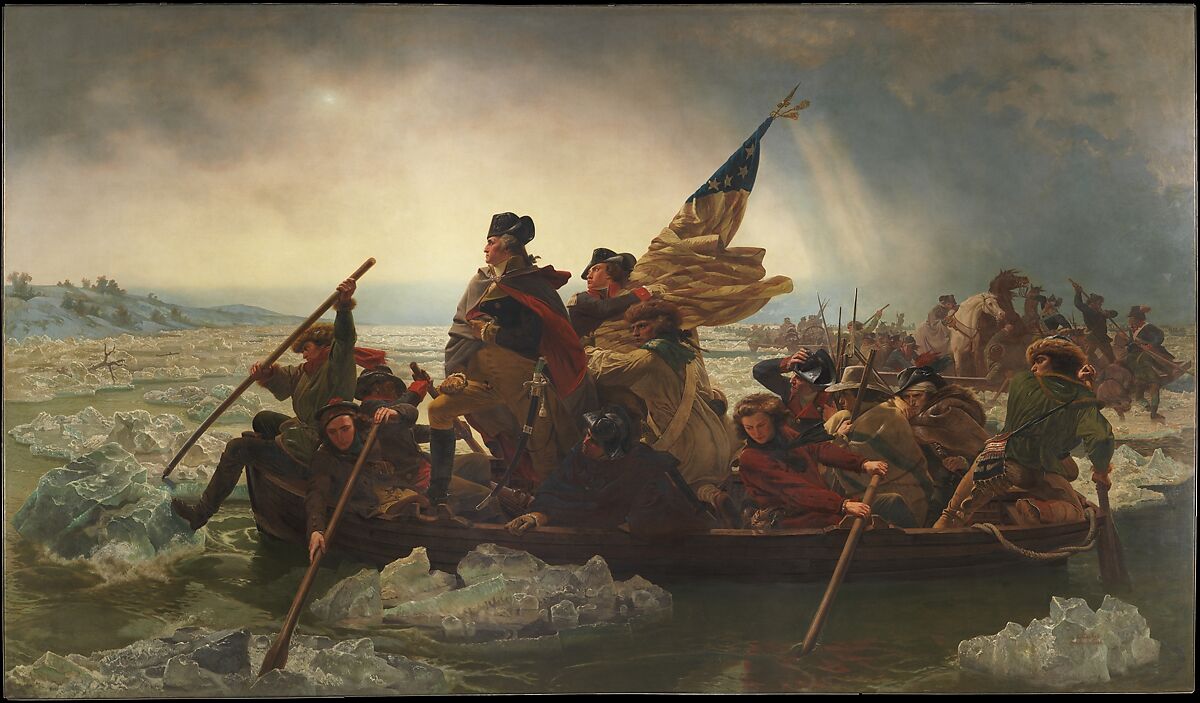
 www.metmuseum.org

And then there are these modern mashup versions...


It is a story so well known it has become a meme. “Americans: Willing to cross a frozen river to kill you in your sleep on Christmas.” George Washington’s Continental Army, having suffered a series of major setbacks in the fighting around New York City in the summer and fall of 1776, launched a surprising counterattack on Dec. 26, 1776. Crossing the icy Delaware River on Christmas night, Washington’s army surprised and captured almost 1,000 brutal Hessian mercenaries, drunk from Christmas celebrations.
These troops were fighting on the British side, sent to America by their greedy monarchs. The victory over these drunken mercenaries raised the morale of the Continental Army, convincing many of the patriots to stay on and reenlist for an additional six weeks. As a result, future battles hinged on the success of Trenton, making this a turning point in the war. In this telling, a free army of American citizen-soldiers triumphed over the hireling corruption of European despotism. Ergo, a sort of American Christmas miracle.
The trouble is, many elements of this familiar story aren’t quite right. They rely on an overly simplistic understanding of the Revolutionary War.
Who Were the Hessians?
The First U.S. Army Christmas: Washington and the Hessians
Editor's Note: This article was originally published in 2023. It is a story so well known it has become a meme. “Americans: Willing to cross a frozen
warontherocks.com
Washington’s 1776 Christmas Crossing of the Delaware Was a Last Resort
Why Washington crossing the Delaware River on Dec. 25, 1776 was a more remarkable and necessary feat than you might realize.
freerangeamerican.us
In recent years, the painting of George Washington crossing the Delaware River in the Christmas cold, currency housed at the Metropolitan Museum of Art, has been co-opted by the meme community to sum up the historic event in a few patriotic-if-simplistic lines: “Americans: Willing to cross a frozen river to kill you. In your sleep. On Christmas. Totally not kidding. We’ve done it.”
Emanuel Leutze - Washington Crossing the Delaware - American - The Metropolitan Museum of Art
The Met presents over 5,000 years of art from around the world for everyone to experience and enjoy.
And then there are these modern mashup versions...
Last edited:


