

The Importance of the Battle of the Little Bighorn
On June 25, 1876, Lt. Col. George Armstrong Custer and an entire battalion of the 7th Cavalry Regiment rode to their deaths and into American legend on the ridges north of Montana’s Little Bighorn River. The battle was decided in a few hours. Its meaning remains contested 150 years later.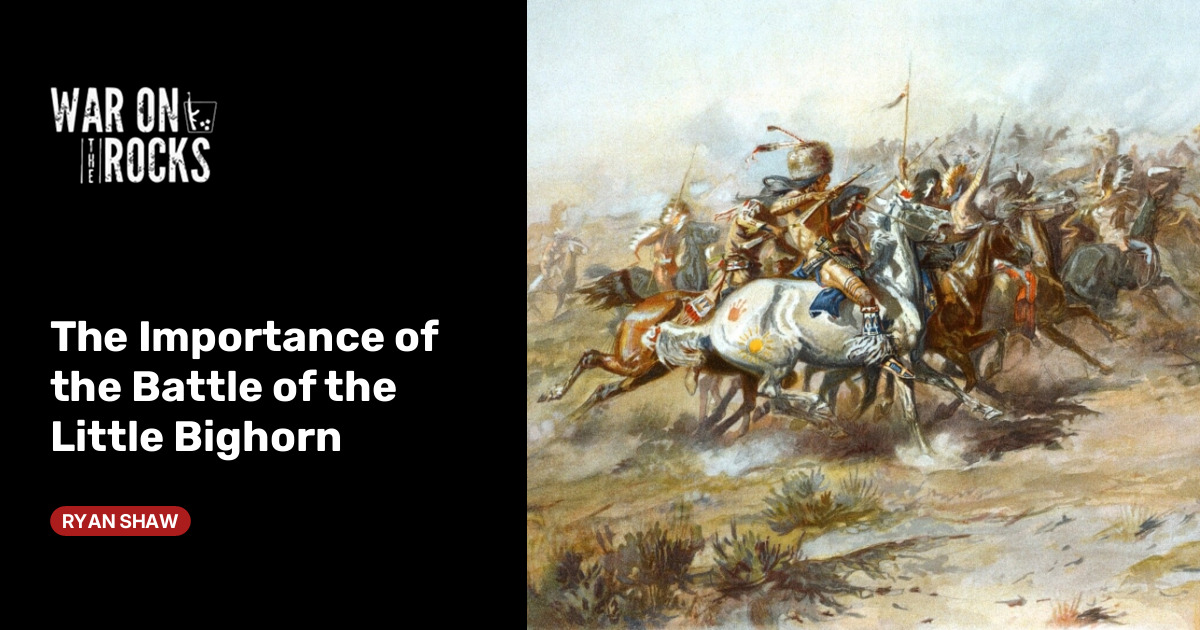
The Importance of the Battle of the Little Bighorn
On June 25, 1876, Lt. Col. George Armstrong Custer and an entire battalion of the 7th Cavalry Regiment rode to their deaths and into American legend on
Little Bighorn stands alongside Yorktown, Gettysburg, and D-Day in the pantheon of iconic American battles. But it is a curious addition there, in that it was a small engagement, fought by just a few hundred men on a compact piece of terrain. More curiously still, it was a loss. Not just a loss — a disaster. And more than any other American battle, it has become identified with a single man. Most Americans know it not by its place, but by its protagonist: “Custer’s Last Stand.”
The Mystery of the Little Big Horn - Pulse News Mexico
Pulse News Mexico photo/Rich Grant By RICH GRANT On the afternoon of June 25, 1876, on high bluffs above the Little Big Horn River, Coronel George Armstrong Custer halted the 7th Cavalry and dictated an order: “Benteen. Come On. Big Village. Be Quick. Bring Packs. P.S. Bring Packs.” The order...
 pulsenewsmexico.com
What Was the Role of the 1873 Springfield Trapdoor Rifle in the Battle of Little Bighorn?

What Was the Role of the 1873 Springfield Trapdoor Rifle in the Battle of Little Bighorn? | Blog |
What Was the Role of the 1873 Springfield Trapdoor Rifle in the Battle of Little Bighorn? Lieutenant Colonel Custer and the Battle of Little Bighorn. Many times in history, this battle has been looked back upon as a horrible massacre of sorts; as a reason to justify what happened to natives in...
 worldtreasures.org
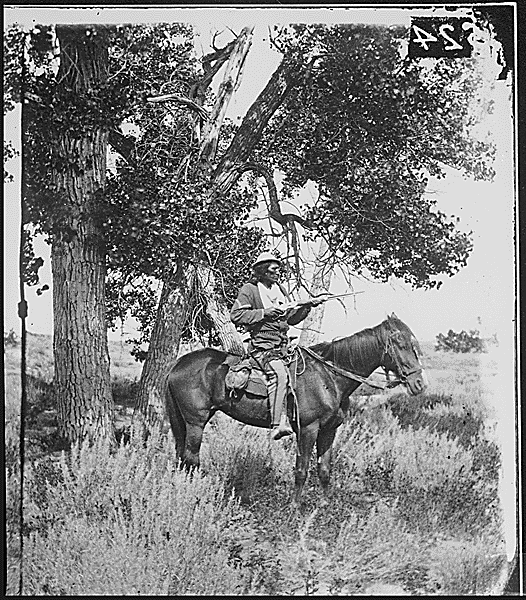
Native Warriors on Both Sides of the Battle of Little Bighorn
As part of our document spotlight series, today we bring you primary sources related to the Battle of Little Bighorn. One hundred and forty-one years ago, from the evening of June 25, 1876, to dusk…
education.blogs.archives.gov
Last edited:


 . Add in the Indians not only having superior numbers AND repeating rifles as evidenced by the .44 Henry and .56 Spencer case on the battlefield (while the troopers had single shot Springfields) and the outcome was a given. The only surprising thing is that the other element of the 7th weren’t wiped out as well.


