

...the Lockheed YO-3A Quiet Star.
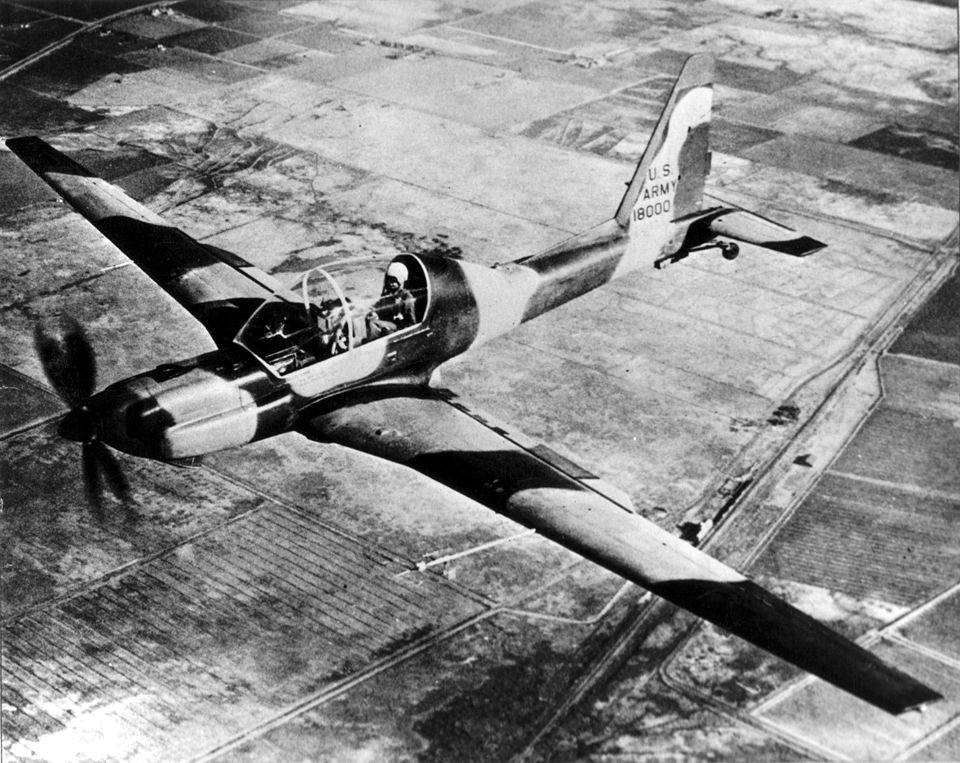
The Lockheed YO-3A Quiet Star is a rare, single-engine American aircraft built in 1969 for silent nighttime reconnaissance during the Vietnam War. Only 11 units were made.
It flew undetected at 1,200 feet by using a belt-driven slow-turning propeller, acoustic sound-proofing, and an advanced muffled exhaust.
In fact, pilots of the YO-3A reported that they could generally operate as low as 200 feet (61m) and normally remain undetected, so quiet was the aircraft.
To further cut noise the engine compartment was surrounded with a fibreglass liner to absorb sound, and the propeller itself turned at a very slow rate of just 800 RPM, with drive via a belt-pulley rather than a mechanical geared system. Further, the exhaust was heavily muffled to both cut noise and flame signature.
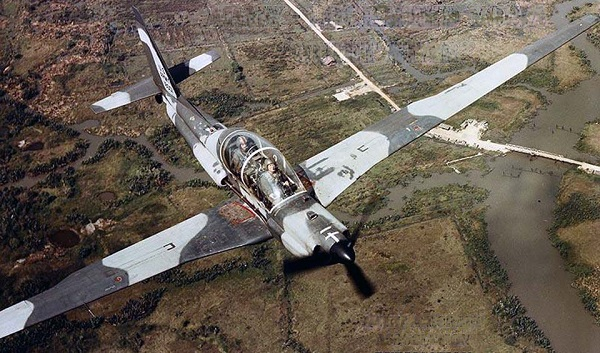
The two-man crew sat in tandem, with the observer forward and the pilot rear, and they enjoyed excellent visibility through the huge canopy. However, the eyes of the aircraft were actually positioned underneath the cockpit, with the YO-3 having a custom-made night vision scope in a movable turret.
This was supplemented with an active infra-red illuminator that could be used to both improve night vision or act as a spotlight for friendly forces equipped with passive infra-red equipment to highlight a target.

 militarymatters.online
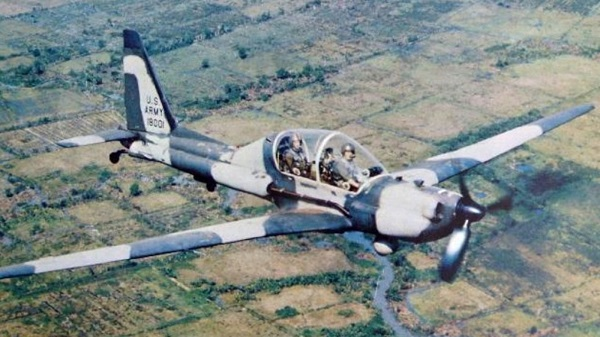
The YO-3A was designed to a United States Army specification of 1968, which called for an observation aircraft that would be acoustically undetectable from the ground when flying at an altitude of 1,500 feet (457 m) at night.
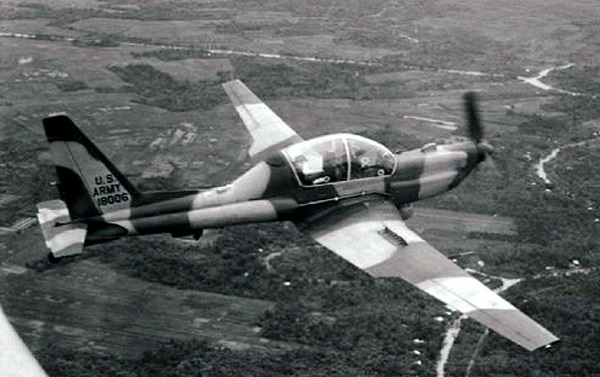

 en.wikipedia.org
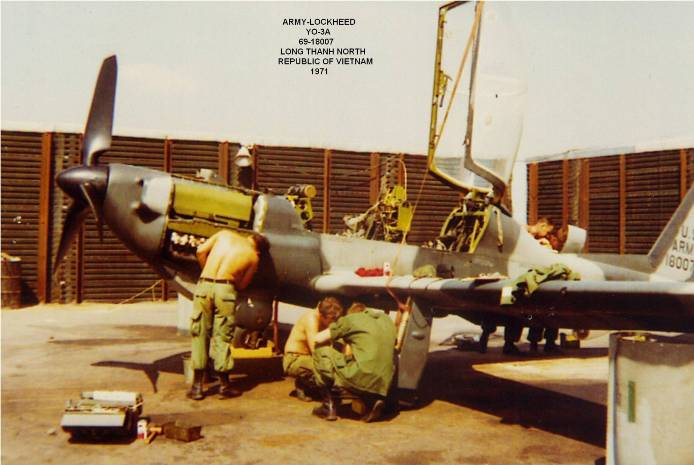
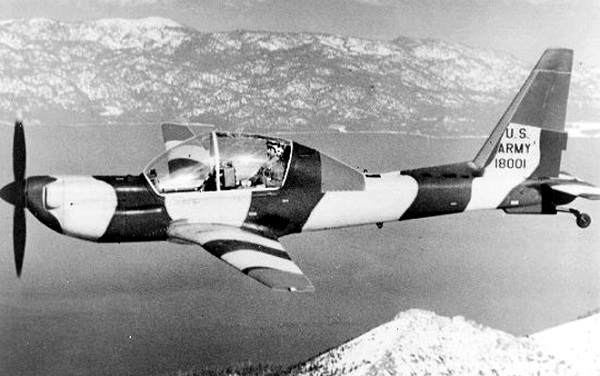
Based on a Schweizer SGS 2-32 sailplane glider frame.
The Lockheed YO-3A Quiet Star is a rare, single-engine American aircraft built in 1969 for silent nighttime reconnaissance during the Vietnam War. Only 11 units were made.
It flew undetected at 1,200 feet by using a belt-driven slow-turning propeller, acoustic sound-proofing, and an advanced muffled exhaust.
In fact, pilots of the YO-3A reported that they could generally operate as low as 200 feet (61m) and normally remain undetected, so quiet was the aircraft.
To further cut noise the engine compartment was surrounded with a fibreglass liner to absorb sound, and the propeller itself turned at a very slow rate of just 800 RPM, with drive via a belt-pulley rather than a mechanical geared system. Further, the exhaust was heavily muffled to both cut noise and flame signature.
The two-man crew sat in tandem, with the observer forward and the pilot rear, and they enjoyed excellent visibility through the huge canopy. However, the eyes of the aircraft were actually positioned underneath the cockpit, with the YO-3 having a custom-made night vision scope in a movable turret.
This was supplemented with an active infra-red illuminator that could be used to both improve night vision or act as a spotlight for friendly forces equipped with passive infra-red equipment to highlight a target.
The Lockheed YO-3A Quiet Star; Charlie’s Silent Stalker - Forgotten Aircraft - Military Matters
In the Vietnam War, Charlie ruled the night...until the Lockheed YO-3A came on the scene and started watching them.
militarymatters.online
The YO-3A was designed to a United States Army specification of 1968, which called for an observation aircraft that would be acoustically undetectable from the ground when flying at an altitude of 1,500 feet (457 m) at night.
Lockheed YO-3 Quiet Star - Wikipedia
YO-3A Specifications
Design and StealthBased on a Schweizer SGS 2-32 sailplane glider frame.
- Powered by a muffled 210-hp Continental IO-360D engine.
- Utilized a belt-driven pulley system to spin the propeller at a very low RPM.
- Featured an asymmetrical exhaust muffler to alter sound frequencies. [1, 2, 3, 4, 5]
- Wing span - 57 feet 1 inch.
- Empty weight - Approx. 3,129 pounds.
- Maximum speed -138 MPH.
- Cruising speed -110 MPH, or as slow as 70 mph for maximum noise reduction.
- Endurance - Approx. 5 hours.
Last edited:

