

Inventory management has been a challenge, historically, and everyone appears to be storing less. This alone requires a review of planning and purchasing guidelines. I (author) know we all want to have less money tied up in inventory yet have most items in stock when they are purchased. Not an easy goal to accomplish without more advanced tools.
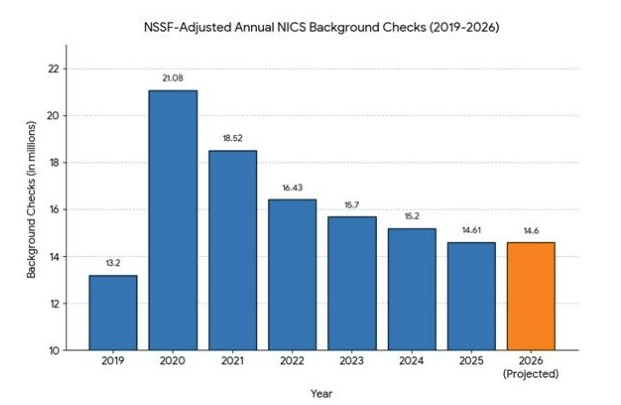
Based on the non-mathematical triangulation of the above data, The author assumes that we have hit the bottom of the demand curve and could even see a little increase in the back half of the year.
The author still sees discretionary income as a barrier to strong growth, but at least we're not fighting a totally uphill battle.
Applying Demand Data to Your Business
Knowing that we may be at the bottom of the demand curve, and we now have six months of data to review, here's what I would suggest:
Demand Is Flat. In This Market, That's Wicked Good News! - The Outdoor Wire | The Outdoor Wire
No description available
www.theoutdoorwire.com
Based on the non-mathematical triangulation of the above data, The author assumes that we have hit the bottom of the demand curve and could even see a little increase in the back half of the year.
The author still sees discretionary income as a barrier to strong growth, but at least we're not fighting a totally uphill battle.
Applying Demand Data to Your Business
Knowing that we may be at the bottom of the demand curve, and we now have six months of data to review, here's what I would suggest:
- Revise your forecast: The assumptions you made 6 months ago are old and outdated. Review your sales forecast based on actual company demand and industry demand — and do it at the subcategory level, not just the top line. Focus on high margin subcategories and SKUs.
- Shorten your purchasing demand windows: If you are using a 6-month trailing average to calculate future demand for purchasing, you're looking in the rearview mirror for too long. Shorten that window to 3 or 4 months to catch shifts quicker. Keep both calculations running but trust the faster one. If you buy inventory based on mins and max, I'd suggest converting to weeks-on-hand for more accurate and timely purchasing.
- Treat summer slow-downs as inventory audits: Summer is always slow, and this year won't be an exception. Use the quiet months to purge slow-moving dead weight and hoard cash for October. Be ready for the fall.

