Speed, power, and accuracy come together to win the fight. It will probably be over in 3 seconds.
Most officers in an OIS are within 3 feet of cover; moving to cover can be a good thing but you have to build that into training.
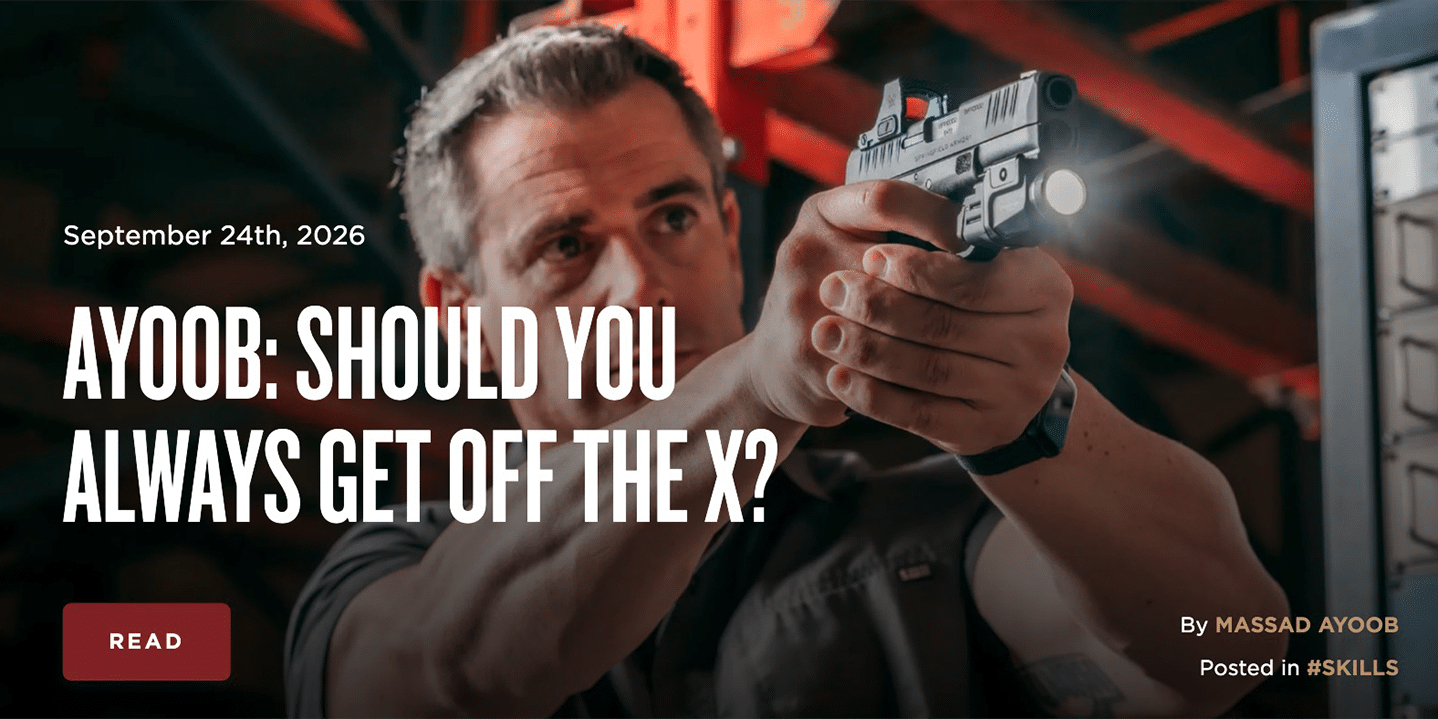
In the current Florida LEO qualification course officers are required to take a lateral step at most of the stages, breaking the habit of standing flat footed. The concept being you don't just stand there presenting a target during a gunfight. I have been running these drills on my range for years and have found moving does not appreciably slow you down.
In defensive shooting, by definition the aggressor acts first, and you must react to him. Keeping in mind John Boyd's OODA loop, your opponent wants you to stand still so he can shoot you. Moving can re-set his Observe, Orient, Decide, and Act sequence just enough to give you the edge.
I have used shoot and move scenarios in my intermediate and advanced courses. But you move to improve your position and cover. Rule of thumb, if you have good cover and can fight from there, keep it. If you don't have good cover and can improve it, move.