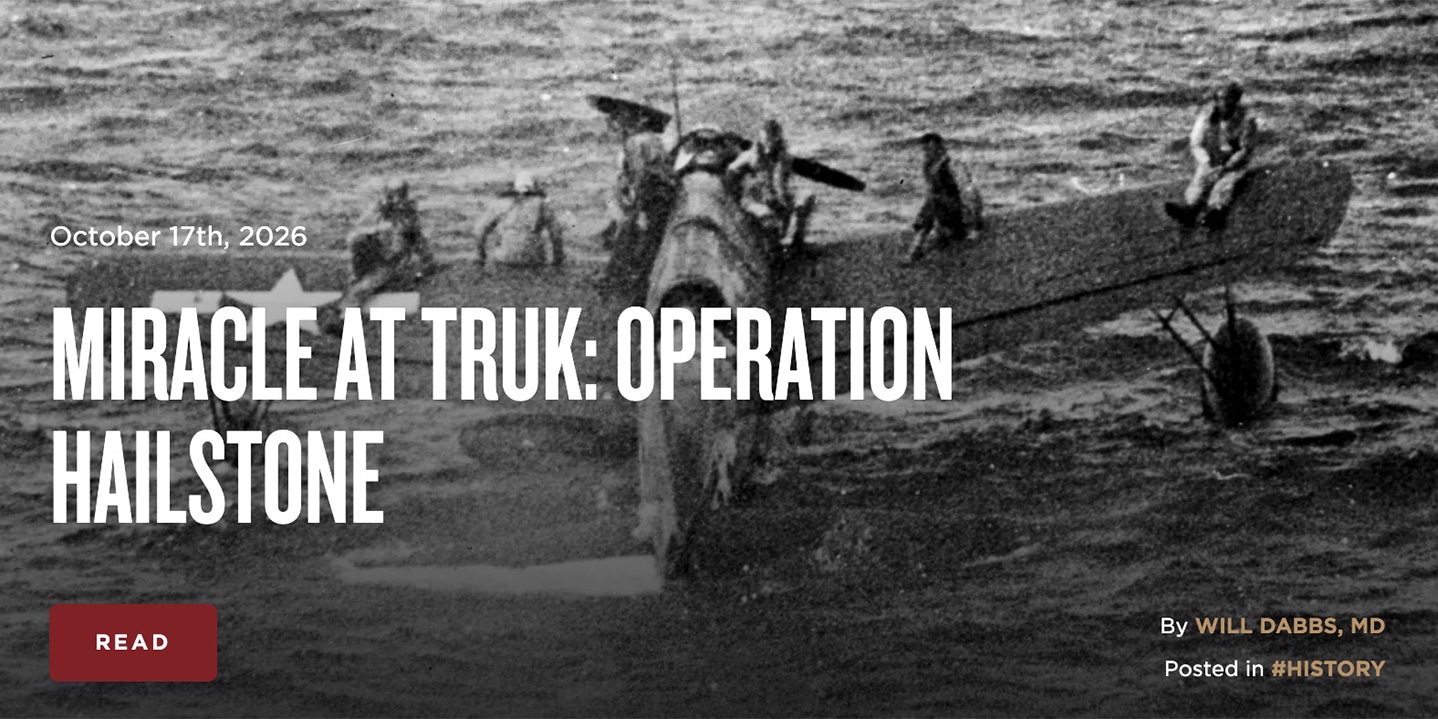
Good focused article by Dabbs, however there is a notable inaccuracy.
U.S. Navy battleships and cruisers during World War II did not use steam catapults. Instead, they used gunpowder-fired catapults, most notably the Type P Mark 6, which used a propellant cartridge derived from a standard 5-inch (127mm) naval gun shell to launch floatplanes (such as the Vought OS2U Kingfisher or Curtiss SOC Seagull).
Key Details of WWII Battleship & Cruiser Catapults:
Power Source: Gunpowder-fired cartridges stored safely in ship magazines, avoiding the need for heavy air compressors, high-pressure storage tanks, or steam plumbing.
Performance: The Type P Mark 6 could accelerate a roughly 3.25-ton floatplane up to a launch speed of 61 knots within a very short track distance (about 20 yards).
Historical Context: While WWII aircraft carriers primarily used hydraulic catapults (or deck-run takeoffs), steam catapults were not adopted by the U.S. Navy until the 1950s after being developed and refined by the British post-war.
Last month, the US Navy began testing of its new Electromagnetic Aircraft Launch System, or EMALS, aboard the first ship that will deploy the system, the carrier USS Gerald Ford, currently under construction at Newport News Shipbuilding in Virginia. EMALS is the latest innovation in aircraft...