

Dry land returns require a much heavier capsule to withstand the shock and multiple retro rockets to cushion the impact in addition to parachutes. There are cons to ocean landings also, but we've opted for less weight and no retros. Note that with new technology we can now put four crewmembers in the capsule instead of three. I foresee continuing water landings to make room for people and equipment for an eventual moon base.
Just to piggy-back on @Cedric 's comments,
I'm still a fan of the Space Plane. NASA/Space Force has been using two X-38Bs for many years and Sierra Space has developed the Dream Chaser, both which are smaller vehicles but with better heat shield tech and simpler launchers.

Boeing X-37 - Wikipedia
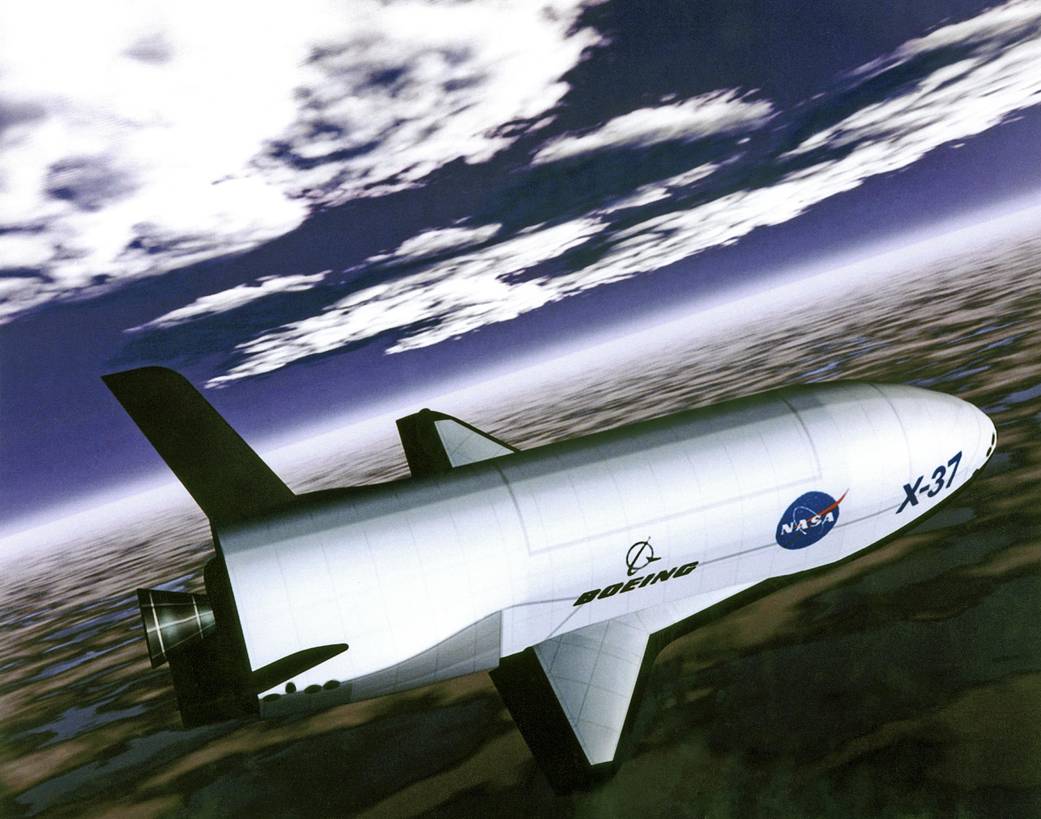
Boeing X-37 - NASA
The X-37 is a reusable orbital launch vehicle put into orbit atop an Atlas V rocket. It was built by Boeing. The vehicle is used by the U.S. military.
 www.nasa.gov
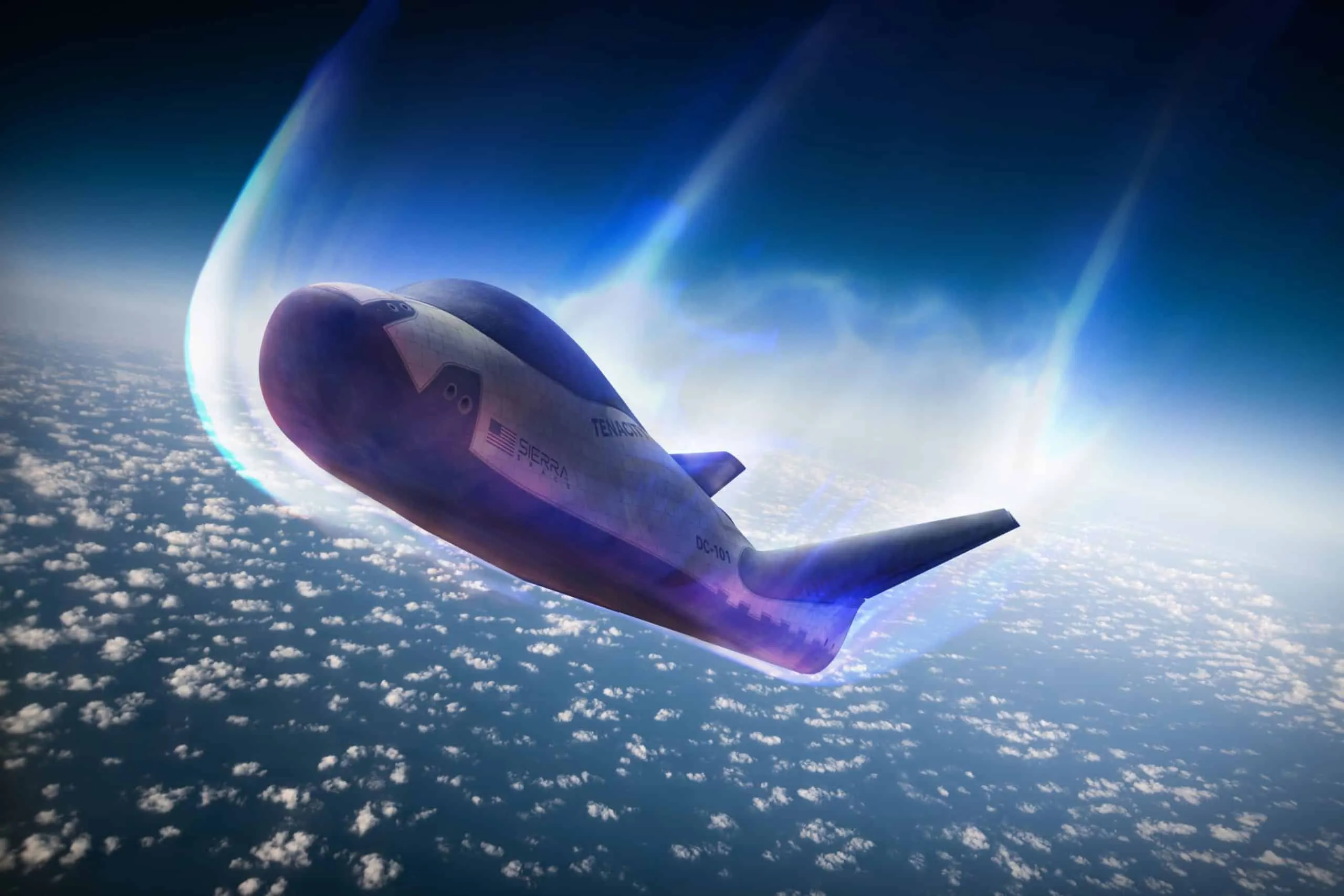
Dream Chaser vs Space Shuttle: A Side-by-Side Comparison | Sierra Space
What’s the difference between NASA's space shuttle and the Sierra Space Dream Chaser® spaceplane? Let's compare.
 www.sierraspace.com

Dream Chaser - Wikipedia
But because of the Space Shuttle issues/disasters NASA seems to have a phobia about space planes and is relying on the capsule method for both Artemis & ISS visits. But the capsules are really one-use only crew vehicles vs. multiple use abilities and broader landing capabilities of spaceplanes.
I think space planes will eventually be more useful.
My .02

