testtest

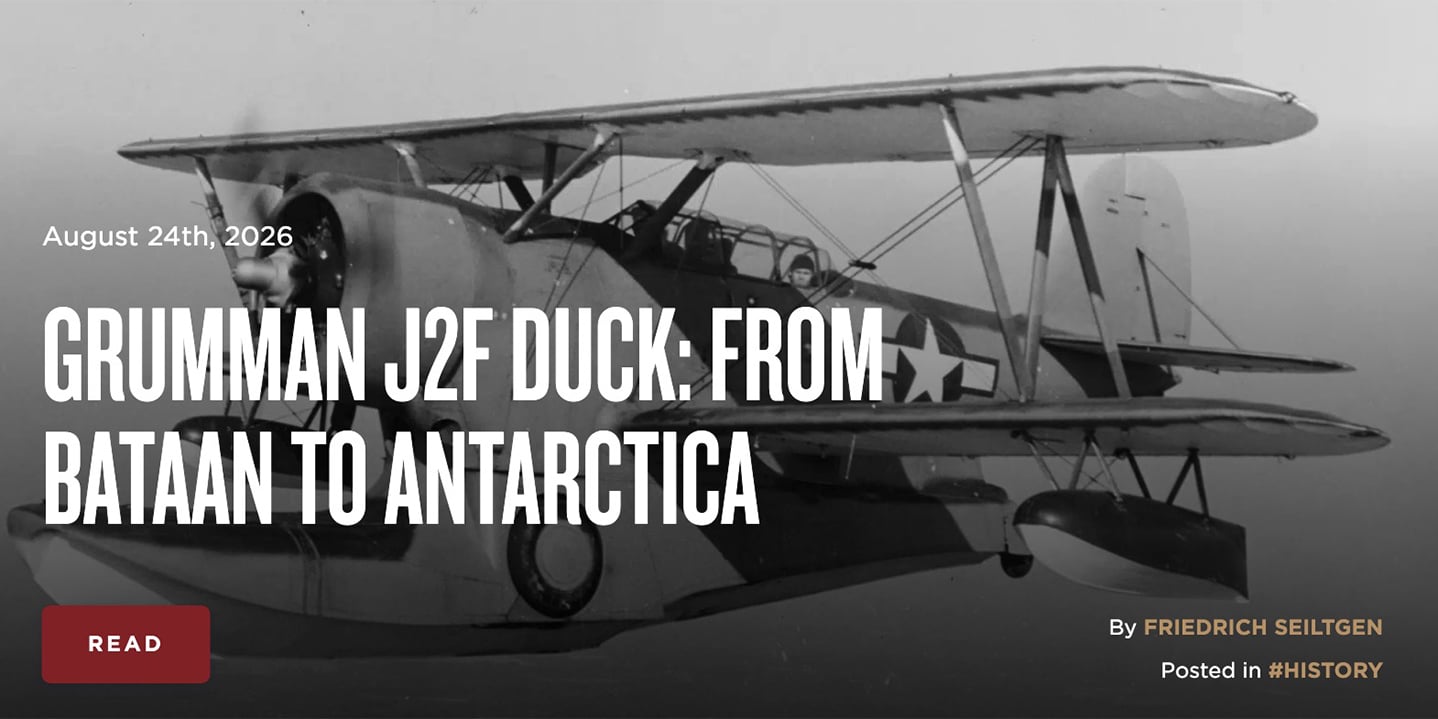
Grumman J2F Duck: From Bataan to Antarctica

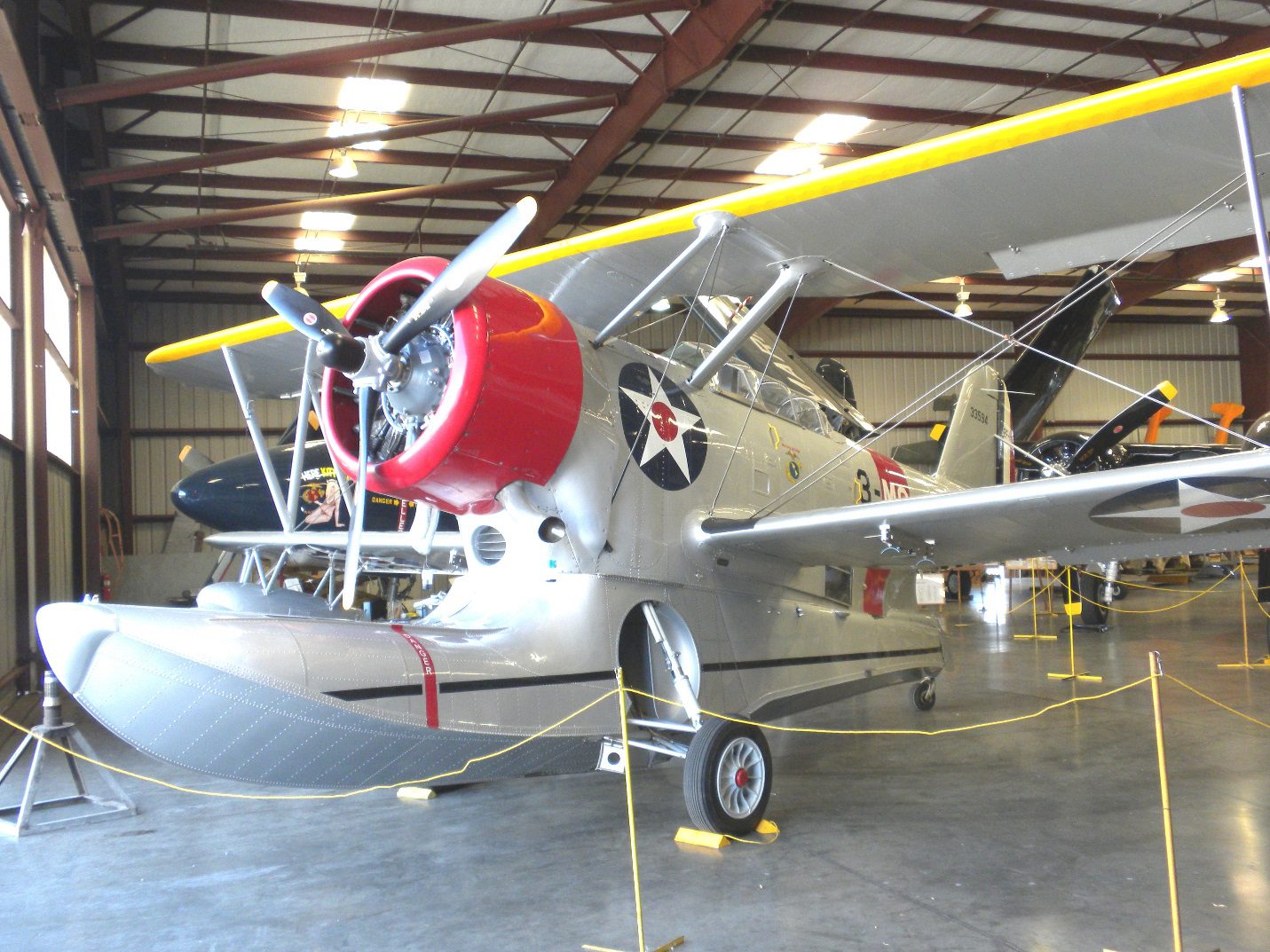
The only error in this article is where the author states.."As the war was winding down, the Navy decided to switch over to the monoplane Vought OS2U Kingfisher."

While not amphibious as the "Duck", the Vought OS2U Kingfisher was in service at the beginning of WW2, thru to the end.

All these floatplanes were used in the same roles as the J2F both from ships (ship- and shore-based).

  • Vought OS2U Kingfisher: The primary scout-observation floatplane launched from battleships and cruisers to spot artillery fire and rescue downed pilots.

  • Curtiss SOC Seagull: An older biplane scout valued for its reliable handling off warship catapults despite its aging design.

  • Curtiss SC Seahawk: A later single-seat monoplane replacement for older floatplanes, providing improved performance on late-war cruisers and battleships.

  • Curtiss SO3C Seamew: Intended as an observation upgrade, but suffered from severe engine and stability flaws and saw limited frontline success.
 
Last edited:
Bonus

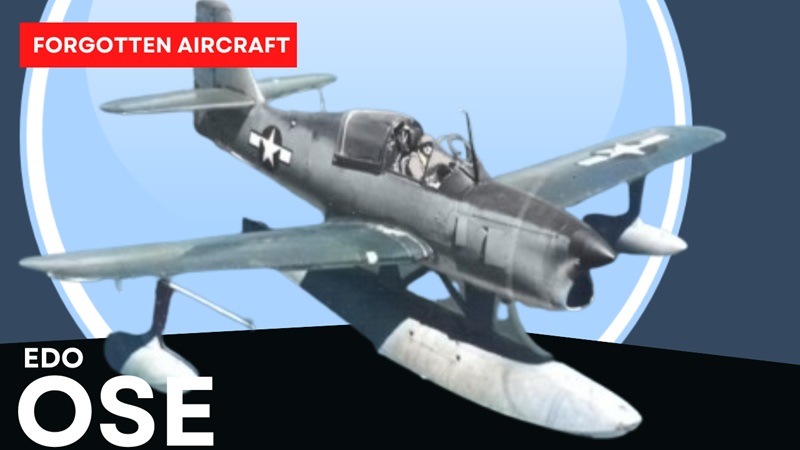
The largely-unknown Edo OSE experimental scout-observation floatplane built in 1946.

1787600678744.png


1787600701043.png


The design was intended for roles including observation, anti-submarine patrols, and air-sea rescue. Despite a U.S. Navy order for eight production aircraft, none were accepted into service, as the Navy discarded all "slingshot" (catapult-launched) planes in 1948, making the design obsolete. None of the 10 built exist today.


1787600371196.png


1787600759718.png


1787600779250.png

1787600795414.png

1787600825829.png

1787600856188.png


1787601246263.png
 
Last edited:
Back
Top