

In the darkest hour of the War of 1812, Joshua Barney and his Chesapeake flotillamen valiantly attempted to forestall British forces descending on Washington; it marked a gallant comeback for the erstwhile naval hero.
In the afternoon of Aug. 24, 1814, First Lady Dolley Madison wrote in her journal: “We have had a battle…near Bladensburg, and I am still here within sound of the cannon!”
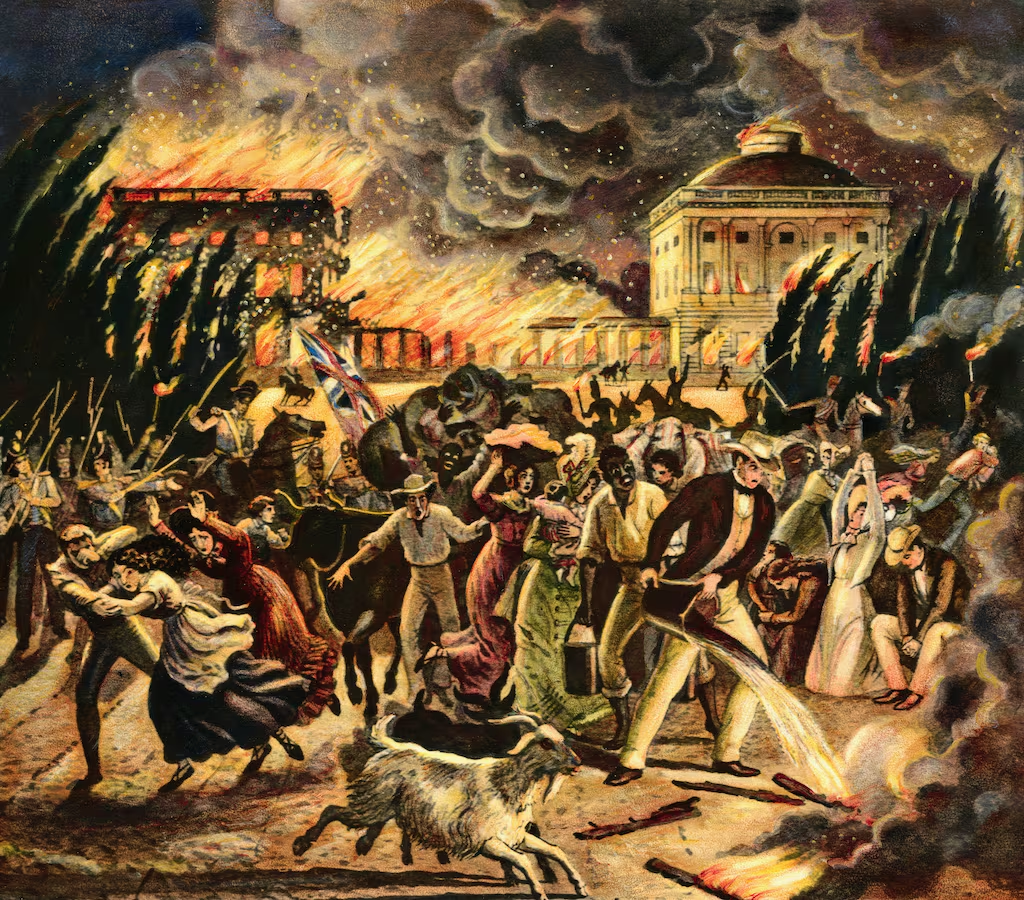
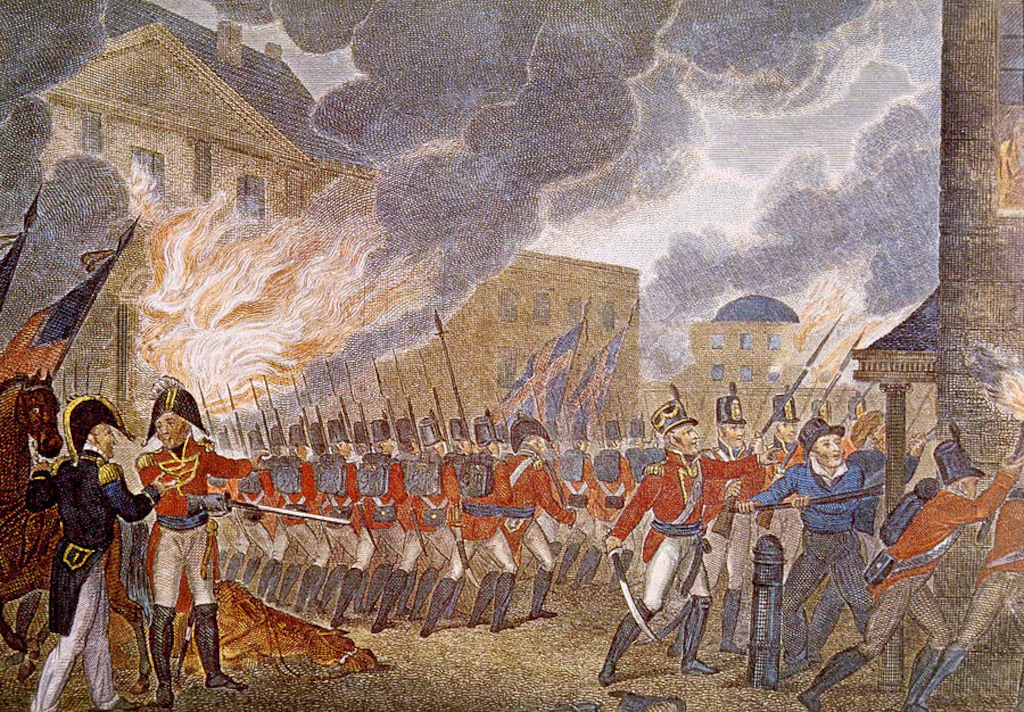
Within a few hours, that cannonade would come steadily closer until the British 3rd Brigade marched into Washington, D.C., virtually uncontested and proceeded to burn the city’s public buildings, including the Capitol, the chambers of the Senate and House of Representatives, the Treasury Department and the War Office.

 www.militarytimes.com
As Washington’s most senior leaders dashed off to Bladensburg, so too did Cmdr. Joshua Barney, mustering a group of 103 Marines and flotilla men from the Washington Navy Yard.
After various militiamen fled, only the Marines stood in the way of the British and the U.S. capital. As the British surged toward them Barney’s men repelled them once, twice, three times.
After the final failed attempt to overrun the battery stalled 50 yards in front of the Marine line, Barney counterattacked with his flotilla men, driving the British back into the ravine with cries of “Board ‘em, board ‘em!” according to the USNI.
The Marines and flotilla men fought alone for nearly two hours more hours — even as Barney’s ammunition wagons drove off with his resupply.
Dozens of Barney’s men were killed or wounded as they became enveloped by the British. Barney himself was wounded when a bullet became lodged deep in his thigh.
As the escape route began to close, Barney finally ordered a retreat as a few American gunners and Marines held the line while the rest ran a gauntlet of fire to make their way back to the capital,
But the Marine’s defense was not entirely in vain — their desperate fight allowed precious minutes for Madison, government officials and civilians to flee.
It also allowed for State Department clerks to run to the Library of Congress and evacuate the Declaration of Independence, first to an unused gristmill near Chain Bridge over the Potomac River and later to a private home near Leesburg, Virginia, according to the National Archives.
In the afternoon of Aug. 24, 1814, First Lady Dolley Madison wrote in her journal: “We have had a battle…near Bladensburg, and I am still here within sound of the cannon!”
Within a few hours, that cannonade would come steadily closer until the British 3rd Brigade marched into Washington, D.C., virtually uncontested and proceeded to burn the city’s public buildings, including the Capitol, the chambers of the Senate and House of Representatives, the Treasury Department and the War Office.
How a band of Marines staved off the British and helped save the Declaration of Independence
Despite the military disaster at Bladensburg, the Marines gave the men and women of the capital precious time to flee.
www.militarytimes.com
As Washington’s most senior leaders dashed off to Bladensburg, so too did Cmdr. Joshua Barney, mustering a group of 103 Marines and flotilla men from the Washington Navy Yard.
After various militiamen fled, only the Marines stood in the way of the British and the U.S. capital. As the British surged toward them Barney’s men repelled them once, twice, three times.
After the final failed attempt to overrun the battery stalled 50 yards in front of the Marine line, Barney counterattacked with his flotilla men, driving the British back into the ravine with cries of “Board ‘em, board ‘em!” according to the USNI.
The Marines and flotilla men fought alone for nearly two hours more hours — even as Barney’s ammunition wagons drove off with his resupply.
Dozens of Barney’s men were killed or wounded as they became enveloped by the British. Barney himself was wounded when a bullet became lodged deep in his thigh.
As the escape route began to close, Barney finally ordered a retreat as a few American gunners and Marines held the line while the rest ran a gauntlet of fire to make their way back to the capital,
But the Marine’s defense was not entirely in vain — their desperate fight allowed precious minutes for Madison, government officials and civilians to flee.
It also allowed for State Department clerks to run to the Library of Congress and evacuate the Declaration of Independence, first to an unused gristmill near Chain Bridge over the Potomac River and later to a private home near Leesburg, Virginia, according to the National Archives.