

Locally a woman out walking her dog got chewed on by a sow grizzly with a cub, and a deer kill nearby.
A reminder for those visiting Big Sky Country, but a reminder for those that have Blackies and not Griz.
----------------------------
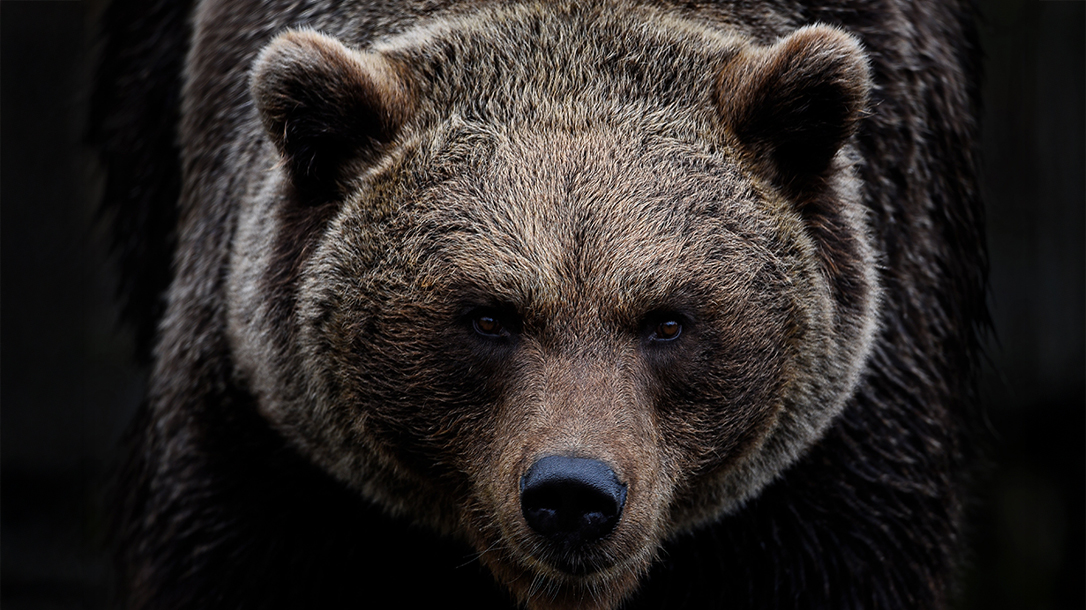
Bears are typically not aggressive toward humans. Most encounters happen when a bear is surprised, feels threatened, or is protecting cubs or food. The most common scenario is surprising a bear while moving in the woods.
In many cases, visibility is limited due to high vegetation density. You are walking a trail, turn a corner, and end up face to face with a bear. There are countless tips and suggestions on how to deal with bears, but our best defense is avoidance.
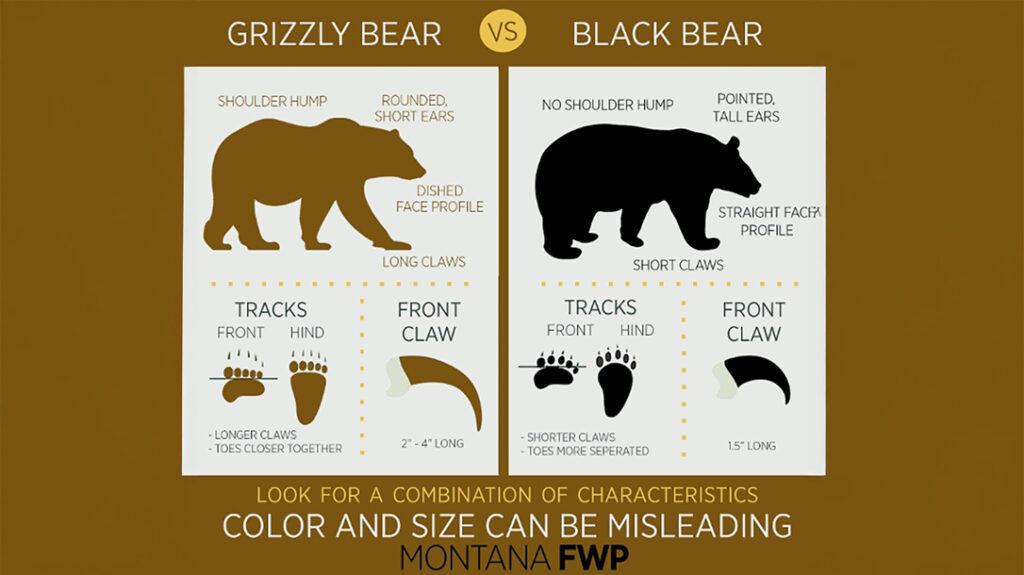
Anyone who spends any real time in the wilderness understands the need for awareness and respect for wildlife. This is especially true in bear country. Bears, primarily black bears, are found throughout much of the US, particularly in the far eastern and north western regions, Alaska, and parts of the Rocky Mountains.
The other bears we need to know about are Grizzlies. Grizzly bears are primarily found in Alaska as well as parts of Wyoming, Montana, and Idaho. They also inhabit areas in Washington.
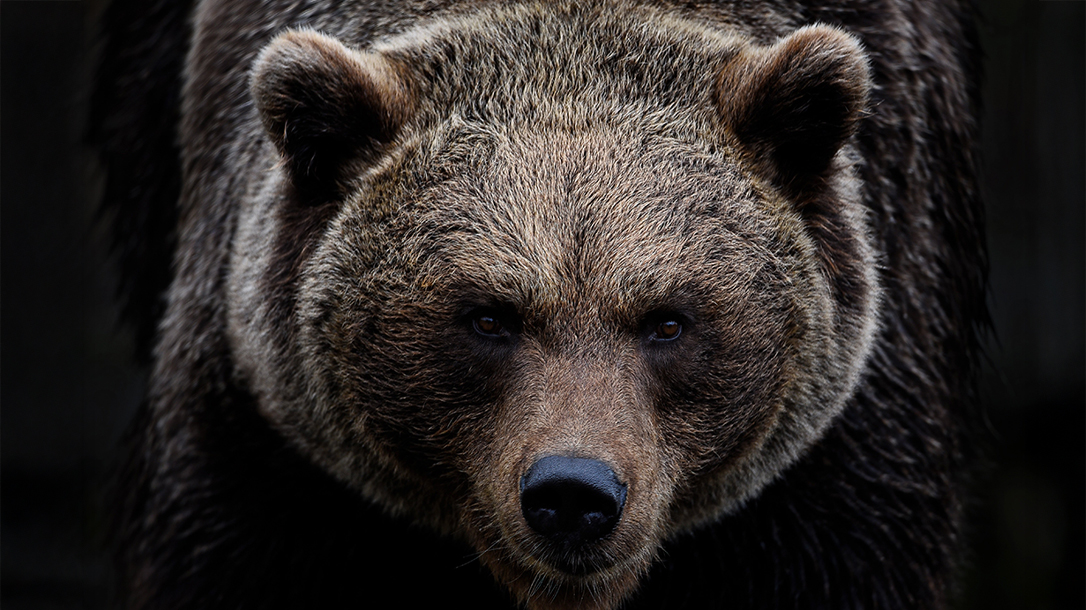
 athlonuntamed.com
Awareness and respect for bears are critical. There has been a growing trend among people to perceive bears and wildlife as “cute” and somehow friendly. They are not. These are wild animals, and although they are not inherently aggressive, they do not want to be petted.
To see this in action, simply look up the countless videos of people in national parks trying to get too close to wildlife. As they say in Yellowstone, “don’t pet the fluffy cows”, referring to people getting too close to bison.
When you are in bear country, it is important to make noise. While things like bear bells can be helpful, the best thing to do is talk. Bears will generally avoid you if they hear actual voices. Try to travel in groups. Bears are less likely to approach groups of three or more.
Another thing to consider is the timing of your trek through the woods. Bears, like many other animals, are active in the early morning hours and at dusk.
Lastly, if you feel compelled to bring a dog, keep it on a leash. A dog running around these areas may look like prey to a hungry bear, as well as bring attention to you.
If you plan to overnight in Bear County, you should prepare. Use bear-proof containers or hang food at least 10 feet off the ground and 4 feet from a tree trunk. Keep these items at least 100 yards from your tent.
Accept that you are in the wilderness and avoid using any scented items, such as deodorant, perfume, and toothpaste. Do not keep any food or scented items in your tent.
If you cook while in camp, change clothes before heading into your tent so the smell of food doesn’t linger with you. Before you set up camp, look for signs of bears in the area. Fresh scat, claw marks on trees, overturned logs, or bear tracks mean you’re in their territory.
With Fall starting Griz are entering a phase were they're trying to pack on weight for the winter, and with fall hunting starting a gun shot, and/or smell of a downed animal is a dinner bell.
A reminder for those visiting Big Sky Country, but a reminder for those that have Blackies and not Griz.
----------------------------
Bears are typically not aggressive toward humans. Most encounters happen when a bear is surprised, feels threatened, or is protecting cubs or food. The most common scenario is surprising a bear while moving in the woods.
In many cases, visibility is limited due to high vegetation density. You are walking a trail, turn a corner, and end up face to face with a bear. There are countless tips and suggestions on how to deal with bears, but our best defense is avoidance.
Anyone who spends any real time in the wilderness understands the need for awareness and respect for wildlife. This is especially true in bear country. Bears, primarily black bears, are found throughout much of the US, particularly in the far eastern and north western regions, Alaska, and parts of the Rocky Mountains.
The other bears we need to know about are Grizzlies. Grizzly bears are primarily found in Alaska as well as parts of Wyoming, Montana, and Idaho. They also inhabit areas in Washington.
How To Survive a Bear Encounter
Bears are a powerful apex predator. It's time to take a look at the steps you can take to prevent & survive a bear attack.
athlonuntamed.com
Awareness and respect for bears are critical. There has been a growing trend among people to perceive bears and wildlife as “cute” and somehow friendly. They are not. These are wild animals, and although they are not inherently aggressive, they do not want to be petted.
To see this in action, simply look up the countless videos of people in national parks trying to get too close to wildlife. As they say in Yellowstone, “don’t pet the fluffy cows”, referring to people getting too close to bison.
When you are in bear country, it is important to make noise. While things like bear bells can be helpful, the best thing to do is talk. Bears will generally avoid you if they hear actual voices. Try to travel in groups. Bears are less likely to approach groups of three or more.
Another thing to consider is the timing of your trek through the woods. Bears, like many other animals, are active in the early morning hours and at dusk.
Lastly, if you feel compelled to bring a dog, keep it on a leash. A dog running around these areas may look like prey to a hungry bear, as well as bring attention to you.
If you plan to overnight in Bear County, you should prepare. Use bear-proof containers or hang food at least 10 feet off the ground and 4 feet from a tree trunk. Keep these items at least 100 yards from your tent.
Accept that you are in the wilderness and avoid using any scented items, such as deodorant, perfume, and toothpaste. Do not keep any food or scented items in your tent.
If you cook while in camp, change clothes before heading into your tent so the smell of food doesn’t linger with you. Before you set up camp, look for signs of bears in the area. Fresh scat, claw marks on trees, overturned logs, or bear tracks mean you’re in their territory.
With Fall starting Griz are entering a phase were they're trying to pack on weight for the winter, and with fall hunting starting a gun shot, and/or smell of a downed animal is a dinner bell.