

The most produced American military aircraft of World War II was not a small fighter, a trainer, or a simple utility airplane — it was a complex four-engine heavy bomber called the B-24 Liberator. Over the course of five years, American industry produced a staggering 18,482 of these bombers, and they served in every theater of the war. But the wing set it apart.

 en.wikipedia.org
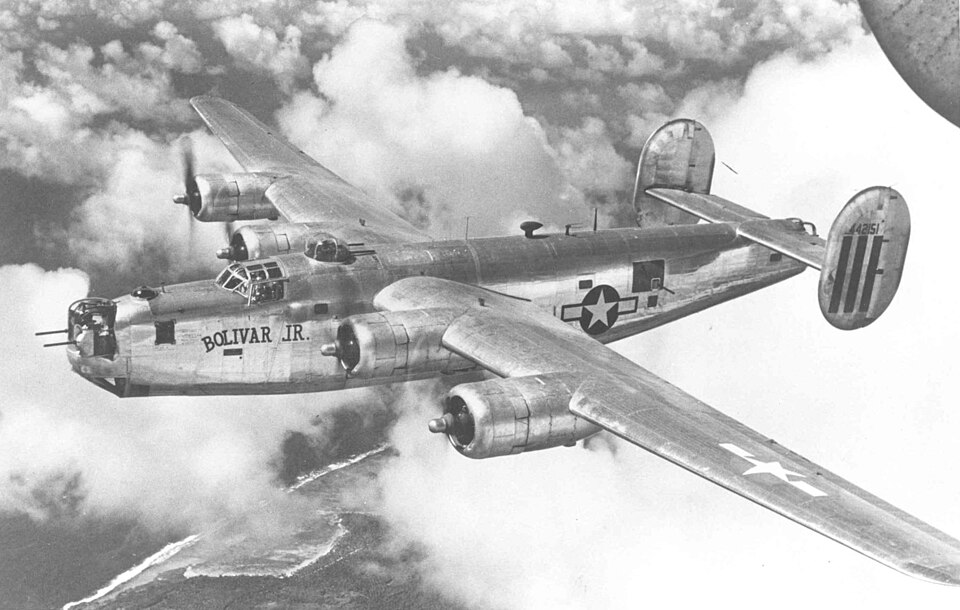
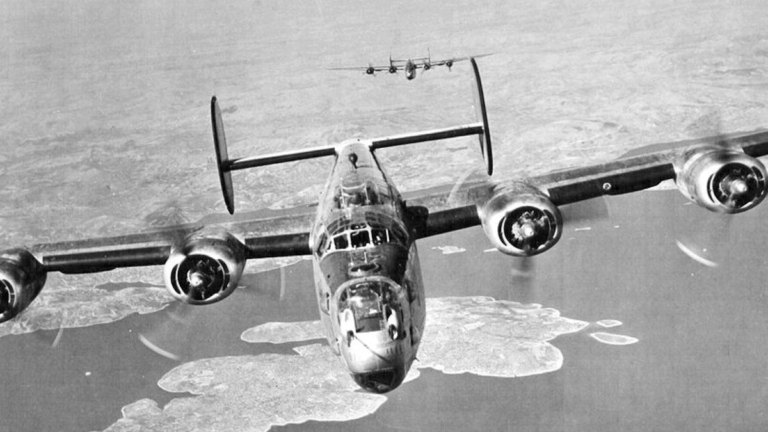
The B-24 was a workhorse with strategic impact, but it would not have had its utility — or possibly even existed — were it not for its wing that credentialed engineers initially struggled to explain. Its designer was a self-taught freelancer from Texas.

 warontherocks.com
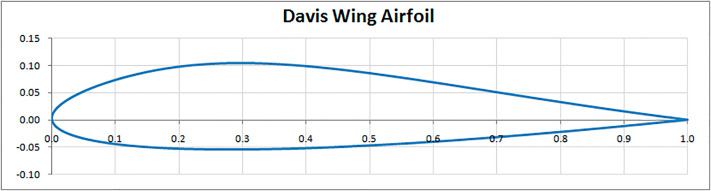
The Davis wing is a World War II-era aircraft wing design that had a lower drag coefficient than most contemporary designs, which allowed higher speeds and created lift at relatively low angles of attack. Its use in designs ended almost immediately after World War II.
 en.wikipedia.org
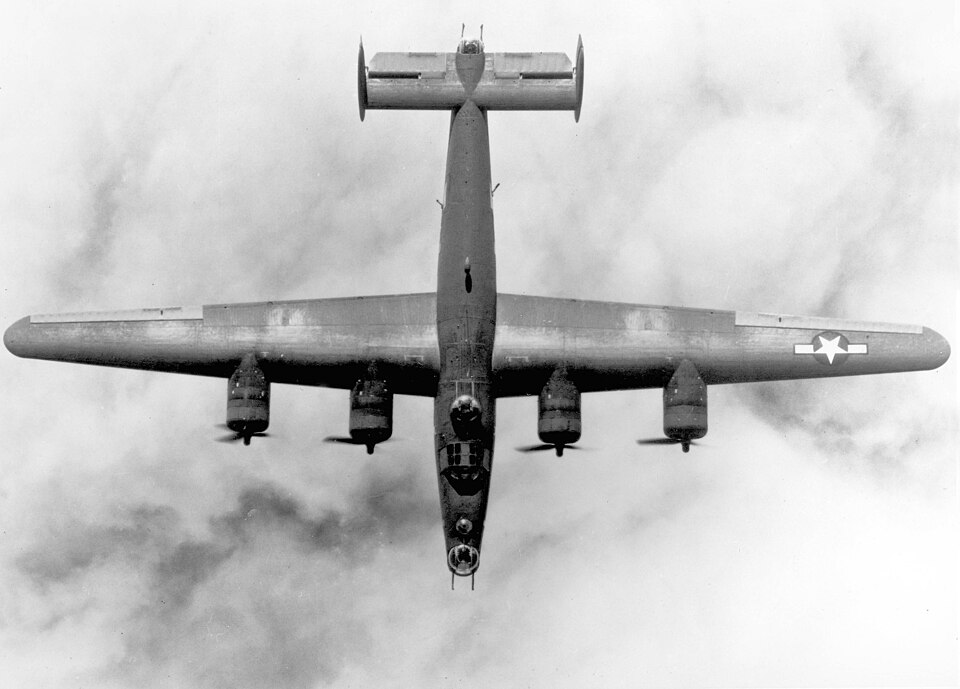
The wing was thinner than on the B-17 Flying Fortress and many Consolidated B-24 Liberator units suffered heavily, as the heavily loaded wings would often fail structurally when hit by gunfire.
Because the wing was so high, a tricycle landing gear was used, though it made ditching the plane harder and complicated belly landings.
Consolidated B-24 Liberator - Wikipedia
The B-24 was a workhorse with strategic impact, but it would not have had its utility — or possibly even existed — were it not for its wing that credentialed engineers initially struggled to explain. Its designer was a self-taught freelancer from Texas.
The Davis Wing, the B-24 Liberator, and the Self-Made Bet That Paid Off
The most produced American military aircraft of World War II was not a small fighter, a trainer, or a simple utility airplane — it was a complex
The Davis wing is a World War II-era aircraft wing design that had a lower drag coefficient than most contemporary designs, which allowed higher speeds and created lift at relatively low angles of attack. Its use in designs ended almost immediately after World War II.
Davis wing - Wikipedia
The wing was thinner than on the B-17 Flying Fortress and many Consolidated B-24 Liberator units suffered heavily, as the heavily loaded wings would often fail structurally when hit by gunfire.
Because the wing was so high, a tricycle landing gear was used, though it made ditching the plane harder and complicated belly landings.

