

shanneba
Professional
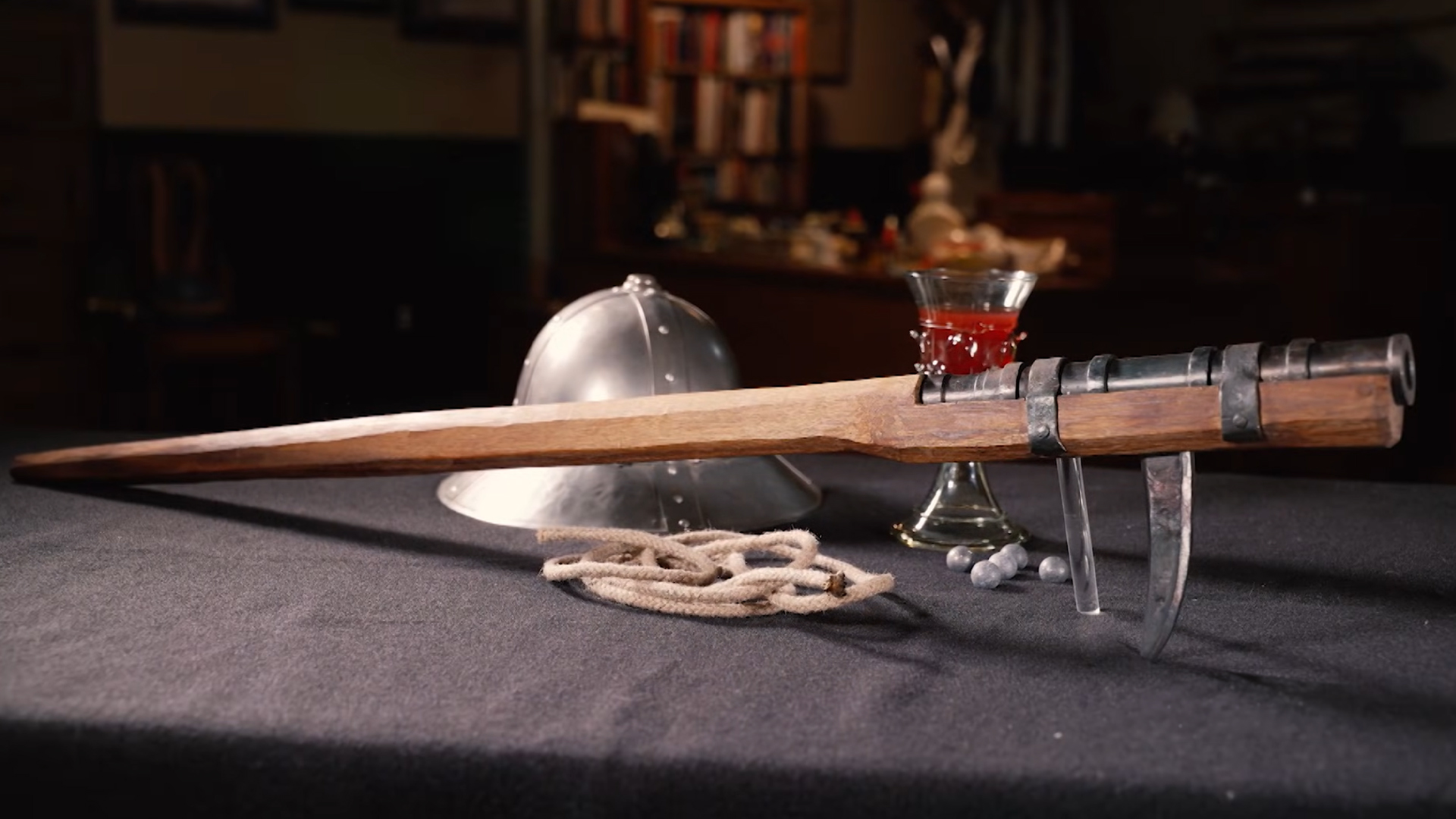
Long before the flintlock, the percussion cap and the self-contained cartridge, there was a metal tube with a hole at each end and a stick where the stock would eventually go.
It had no trigger, no sights and no real way to aim. What it had was a charge of black powder and a burning match held to a touch hole, and that was enough to change the trajectory of warfare, technology and civil society for the next seven centuries. The hand cannon is where the story of the handheld firearm begins.
The gunpowder trail begins in China.
“The Chinese were the first to really discover gunpowder and figure out the formula between sulfur, saltpeter and charcoal in the right proportions to make an explosion,” Kenneth L. Smith-Christmas, retired museum curator for the U.S. Marine Corps and U.S. Army said.
Chinese fire sticks made from bamboo appeared in the 1100s and 1200s, and by the end of the 13th century, bronze-cast tubes had replaced them.
It had no trigger, no sights and no real way to aim. What it had was a charge of black powder and a burning match held to a touch hole, and that was enough to change the trajectory of warfare, technology and civil society for the next seven centuries. The hand cannon is where the story of the handheld firearm begins.
The gunpowder trail begins in China.
“The Chinese were the first to really discover gunpowder and figure out the formula between sulfur, saltpeter and charcoal in the right proportions to make an explosion,” Kenneth L. Smith-Christmas, retired museum curator for the U.S. Marine Corps and U.S. Army said.
Chinese fire sticks made from bamboo appeared in the 1100s and 1200s, and by the end of the 13th century, bronze-cast tubes had replaced them.
