

In early 1968, while flying an OV-1 over South Vietnam, U.S. Army Captain Ken Lee shot down a MiG-17 "Fresco" fighter jet with his XM14 .50 in. (12.7 mm) caliber gun pods as well as two M159 unguided rocket pods, becoming the only Army aviator to ever down a MiG.
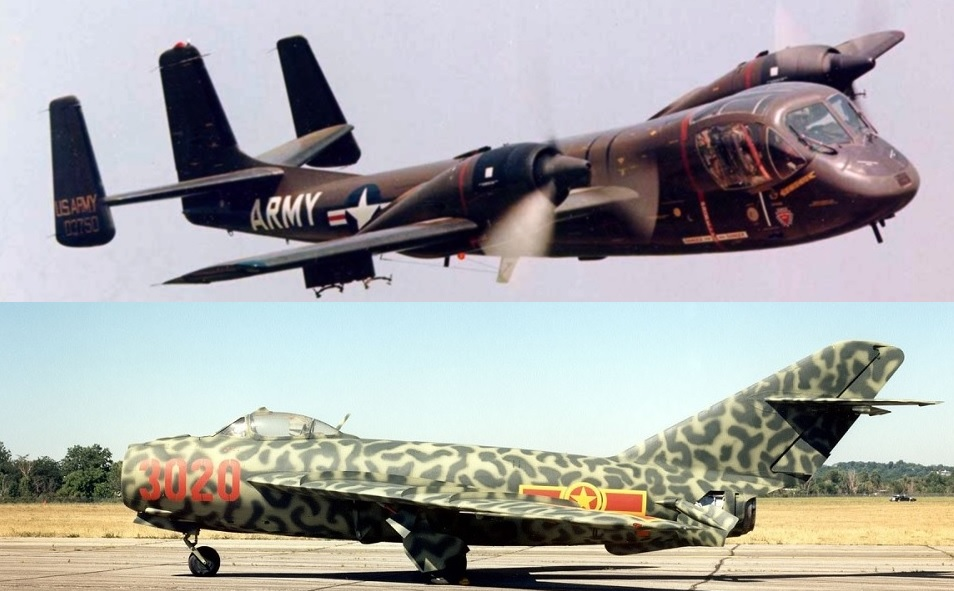
Due to the Key West Agreement, the Army tried to keep the shootdown a secret for fear that it would allow the USAF to transfer Mohawks to its inventory.

 web.archive.org
Ever since the formation of the US Air Force and the subsequent Key West Agreement, the Army has only been allowed fixed-wing aircraft for a limited scope of uses, namely reconnaissance, and medical evacuation purposes.
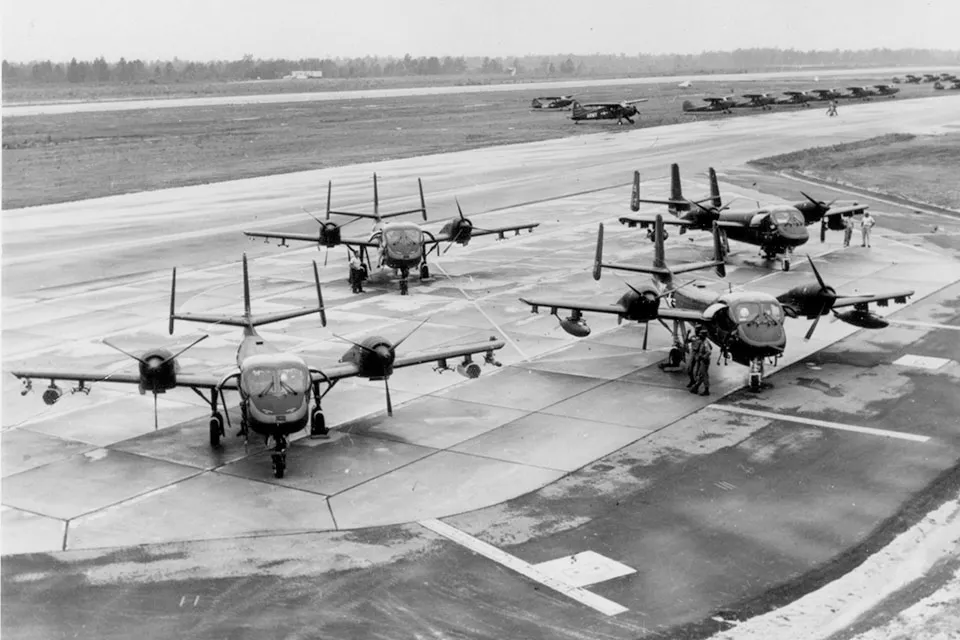
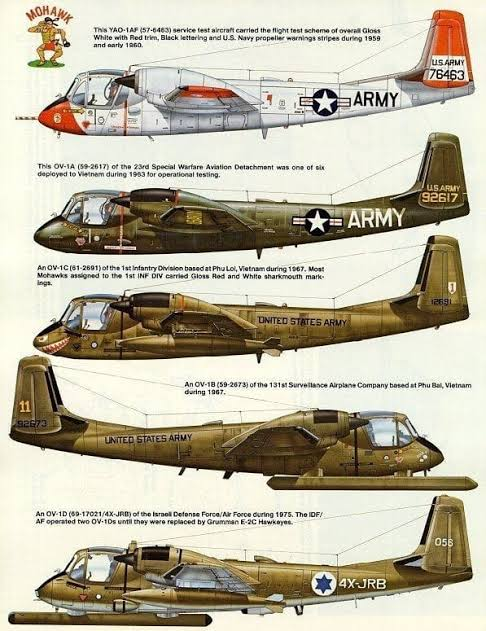
The OV-1 began operations in South Vietnam with the 23rd Special Warfare Aviation Detachment (SWAD), “The Warriors,” under Maj. William J. Morris in October 1962, initially at Nha Trang. The unit began with two OV-1As armed with .50-caliber (12.7-mm) machine guns and 2.75-inch FFAR rocket pods, contrary to objections by the USAF, which argued that fixed-wing warplanes were its purview.
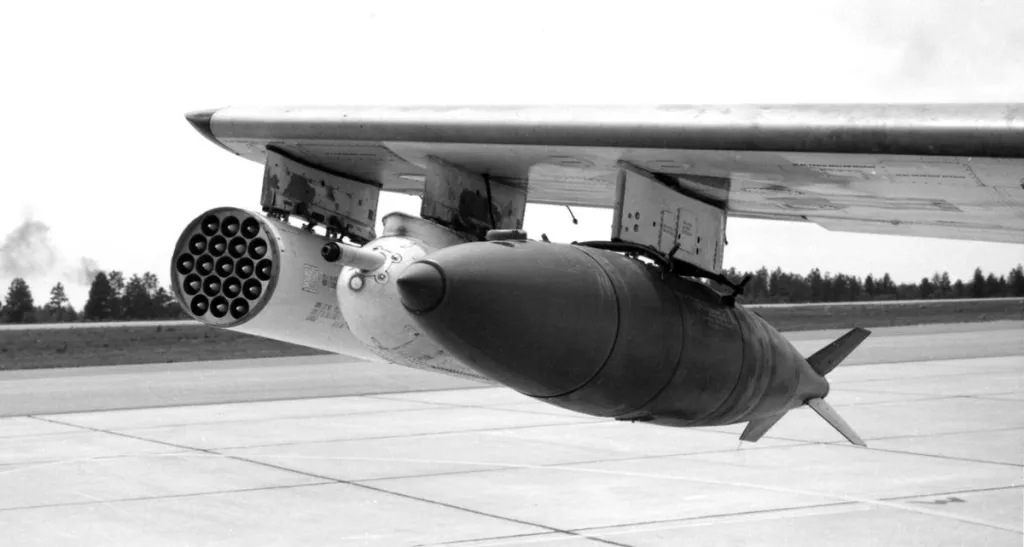
Weapons under an OV-1A Mohawk’s wing. From left to right, a 19-shot 2.75″ FFAR pod, a .50 caliber gun pod with 100 rounds of ammunition, and a Mk 79 Mod 0 napalm canister., US Army via Ray Wilhite

 www.twz.com

 theaviationgeekclub.com
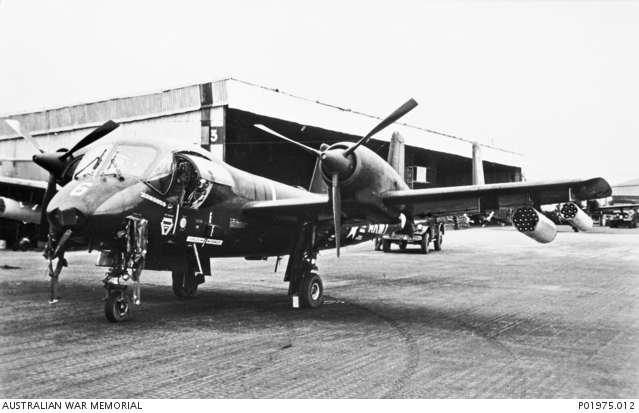
First learning to fly the OV-1 in early 1964, Army Aviator Ken Lee would head to Vietnam for his first tour in September of the same year, returning in November of 1965. On his second mission after returning to combat duty in early 1968, Lee was thrown into a strange situation that would alter his life forever.
On a morning in mid-February 1968 two OV-1As from the 131st Aviation Company were flying at 2,000 ft. above the Ashau Valley, one of two strongholds for the North Vietnamese Army in South Vietnam, the other being the U Minh Forest north of Saigon. The flight was led by Capt. Ken Lee, one of the most experienced Mohawk pilots of the unit.
Since the two pilots knew that in the jungle below them there were more than 6,000 permanent troops and one of the most sophisticated complexes of anti-aircraft batteries in the world, they kept their altitude to use the OV-1 side-looking radar and infrared detection gear to observe the enemy activity in the valley.
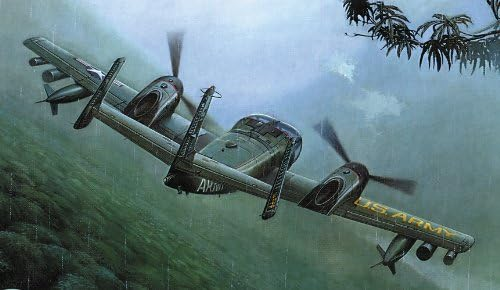
Seconds later, a MiG-17 “Fresco” fighter jet surpassed Lee’s slow-moving prop plane, scoring several hits. Lee felt his airplane taking hits and he immediately turned to right when his wingman from half a mile behind his tale, shouted at him: “You got a MiG behind you!”.
Lee leveled his wings and a MiG-17 passed at 275 knots on his left, pulling out of its dive two hundred feet below him and turning back to attack the two Mohawks again.
“When I felt the hits on the aircraft I told my wingman to break south as there was no point in both of us getting shot down,” he recounted. “I was still a bit jumpy in that area so I started a right turn to put some distance between me and the AAA batteries in the valley. I looked out the right side of the airplane to clear my turn and then just as I began the turn the MiG flew past me. I had only 170 knots of airspeed as we were heavy.”
In response to the passing MiG, Lee’s observer in the right seat threw up into his helmet bag, ruining a new camera and an oxygen mask.
Lee understood that his only chance to avoid being shooting down by the MiG would have been attacking it. The OV-1A in fact could carry a 2.75-inch rocket pod and a podded .50-caliber machine gun under each wing – a load Lee was carrying that morning.
Knowing his wingman was in danger and accepting that the only way to survive this encounter was to fight back, Lee quickly took advantage of the MiG’s overtaking maneuver, lining the aircraft up with his gunsight and unleashing the XM14 .50 caliber gun pods, as well as two M159 unguided rocket pods.
“When he passed me he just about lined himself up,” he recounted. “He just happened to be right on my pipper, so I have to say there was no great skill involved in leading him or anything. I just started shooting.”
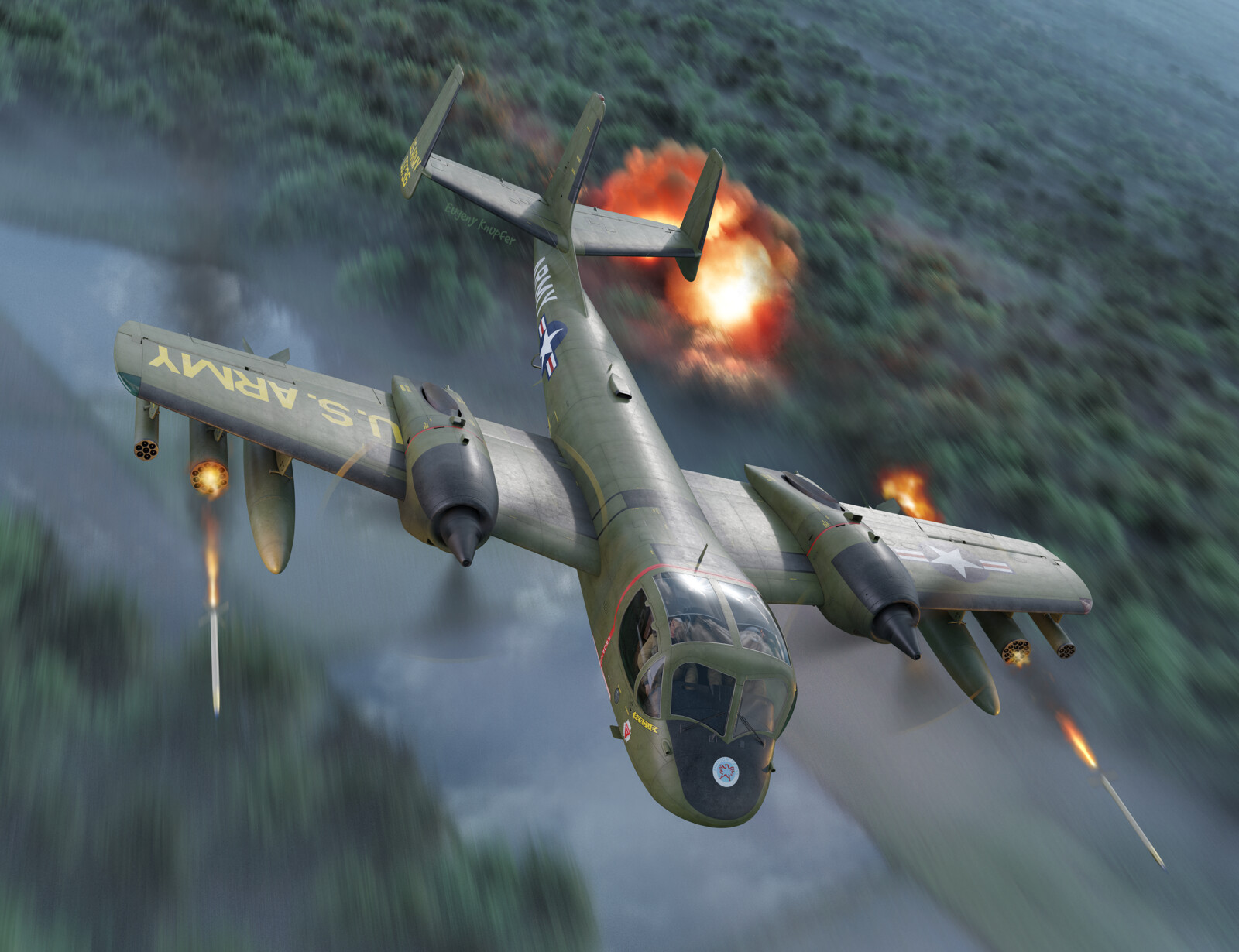
Tracer rounds and rockets poured into the MiG, setting the aircraft ablaze. While he never saw the aircraft hit the ground, the plane had entered a valley that was experiencing weather so foul, there was no way it would have survived.
In a flash of a second, Lee became the only Army Aviator to down a MiG.
Upon landing back at his base, Lee -who had taken a moment to look at the 23mm holes that filled his plane- was ordered to keep his mouth shut about the incident.
Due to the Key West Agreement, the Army wanted to avoid potentially losing the Mohawks and were concerned the USAF would have them yanked from service due to the air-to-air kill.
Lee would return from his second tour in September of 1968. His kill was formally recognized by the Army in 2007.

 www.defensemedianetwork.com
 www.defensemedianetwork.com
----------------------------------------
More...

 en.wikipedia.org

 militaryhistorynow.com
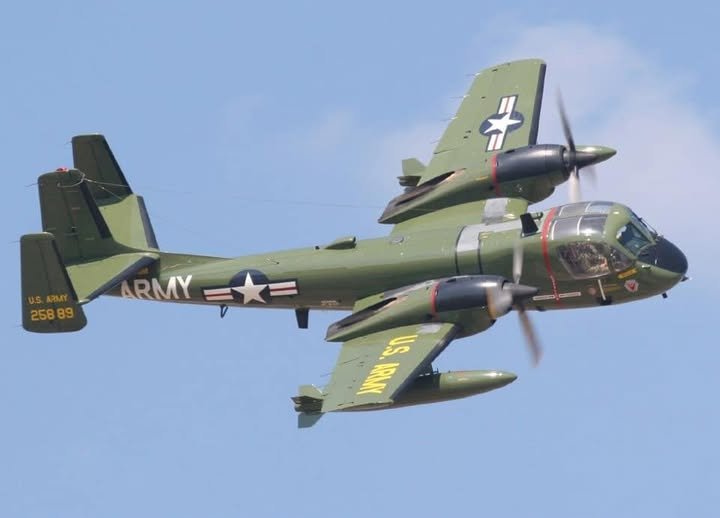
Due to the Key West Agreement, the Army tried to keep the shootdown a secret for fear that it would allow the USAF to transfer Mohawks to its inventory.
The Army’s only air to air kill since WWII was done with a .50 cal in Vietnam
Ever since the formation of the US Air Force and the subsequent Key West Agreement, the Army has only been allowed fixed-wing aircraft for a limited scope of uses, namely reconnaissance, and medical evacuation purposes. While rotary aviation has filled many of the roles concerning transport...
web.archive.org
Ever since the formation of the US Air Force and the subsequent Key West Agreement, the Army has only been allowed fixed-wing aircraft for a limited scope of uses, namely reconnaissance, and medical evacuation purposes.
The OV-1 began operations in South Vietnam with the 23rd Special Warfare Aviation Detachment (SWAD), “The Warriors,” under Maj. William J. Morris in October 1962, initially at Nha Trang. The unit began with two OV-1As armed with .50-caliber (12.7-mm) machine guns and 2.75-inch FFAR rocket pods, contrary to objections by the USAF, which argued that fixed-wing warplanes were its purview.
Weapons under an OV-1A Mohawk’s wing. From left to right, a 19-shot 2.75″ FFAR pod, a .50 caliber gun pod with 100 rounds of ammunition, and a Mk 79 Mod 0 napalm canister., US Army via Ray Wilhite
The OV-1 Mohawk Was One Of The U.S. Military's First Forgotten Light Attack Planes
Infighting within the US Army and with the US Air Force meant the plane never got to reach its full potential.
www.twz.com
OV-1 Vs MiG-17: THE STORY OF HOW THE MOHAWK BECAME A MiG KILLER - The Aviation Geek Club
OV-1 Vs MiG-17: THE STORY OF HOW THE MOHAWK BECAME A MiG KILLER
theaviationgeekclub.com
First learning to fly the OV-1 in early 1964, Army Aviator Ken Lee would head to Vietnam for his first tour in September of the same year, returning in November of 1965. On his second mission after returning to combat duty in early 1968, Lee was thrown into a strange situation that would alter his life forever.
On a morning in mid-February 1968 two OV-1As from the 131st Aviation Company were flying at 2,000 ft. above the Ashau Valley, one of two strongholds for the North Vietnamese Army in South Vietnam, the other being the U Minh Forest north of Saigon. The flight was led by Capt. Ken Lee, one of the most experienced Mohawk pilots of the unit.
Since the two pilots knew that in the jungle below them there were more than 6,000 permanent troops and one of the most sophisticated complexes of anti-aircraft batteries in the world, they kept their altitude to use the OV-1 side-looking radar and infrared detection gear to observe the enemy activity in the valley.
Seconds later, a MiG-17 “Fresco” fighter jet surpassed Lee’s slow-moving prop plane, scoring several hits. Lee felt his airplane taking hits and he immediately turned to right when his wingman from half a mile behind his tale, shouted at him: “You got a MiG behind you!”.
Lee leveled his wings and a MiG-17 passed at 275 knots on his left, pulling out of its dive two hundred feet below him and turning back to attack the two Mohawks again.
“When I felt the hits on the aircraft I told my wingman to break south as there was no point in both of us getting shot down,” he recounted. “I was still a bit jumpy in that area so I started a right turn to put some distance between me and the AAA batteries in the valley. I looked out the right side of the airplane to clear my turn and then just as I began the turn the MiG flew past me. I had only 170 knots of airspeed as we were heavy.”
In response to the passing MiG, Lee’s observer in the right seat threw up into his helmet bag, ruining a new camera and an oxygen mask.
Lee understood that his only chance to avoid being shooting down by the MiG would have been attacking it. The OV-1A in fact could carry a 2.75-inch rocket pod and a podded .50-caliber machine gun under each wing – a load Lee was carrying that morning.
Knowing his wingman was in danger and accepting that the only way to survive this encounter was to fight back, Lee quickly took advantage of the MiG’s overtaking maneuver, lining the aircraft up with his gunsight and unleashing the XM14 .50 caliber gun pods, as well as two M159 unguided rocket pods.
“When he passed me he just about lined himself up,” he recounted. “He just happened to be right on my pipper, so I have to say there was no great skill involved in leading him or anything. I just started shooting.”
Tracer rounds and rockets poured into the MiG, setting the aircraft ablaze. While he never saw the aircraft hit the ground, the plane had entered a valley that was experiencing weather so foul, there was no way it would have survived.
In a flash of a second, Lee became the only Army Aviator to down a MiG.
Upon landing back at his base, Lee -who had taken a moment to look at the 23mm holes that filled his plane- was ordered to keep his mouth shut about the incident.
Due to the Key West Agreement, the Army wanted to avoid potentially losing the Mohawks and were concerned the USAF would have them yanked from service due to the air-to-air kill.
Lee would return from his second tour in September of 1968. His kill was formally recognized by the Army in 2007.
The OV-1 Mohawk Remembered Firsthand: The Mohawk's Marathon Saga | Defense Media Network
A firsthand history of the OV-1 Mohawk, which was used by the U.S. Army during the Vietnam War.
The OV-1 Mohawk Remembered Firsthand: Piloting the Mohawk in Vietnam | Defense Media Network
A firsthand history of the OV-1 Mohawk, which was used by the U.S. Army during the Vietnam War.
----------------------------------------
More...
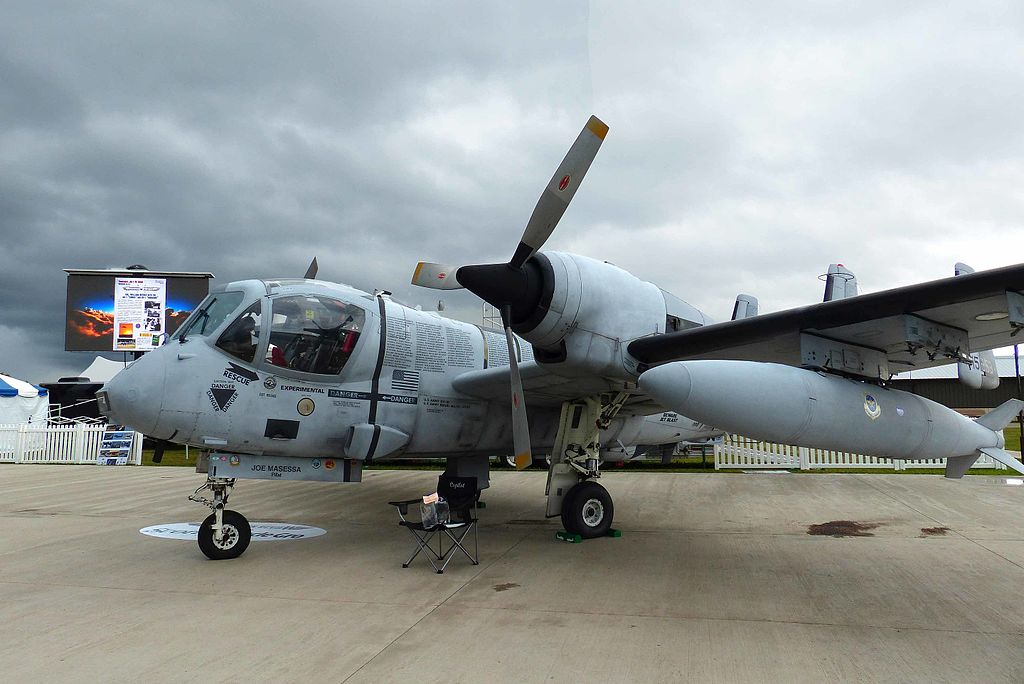
Grumman OV-1 Mohawk - Wikipedia
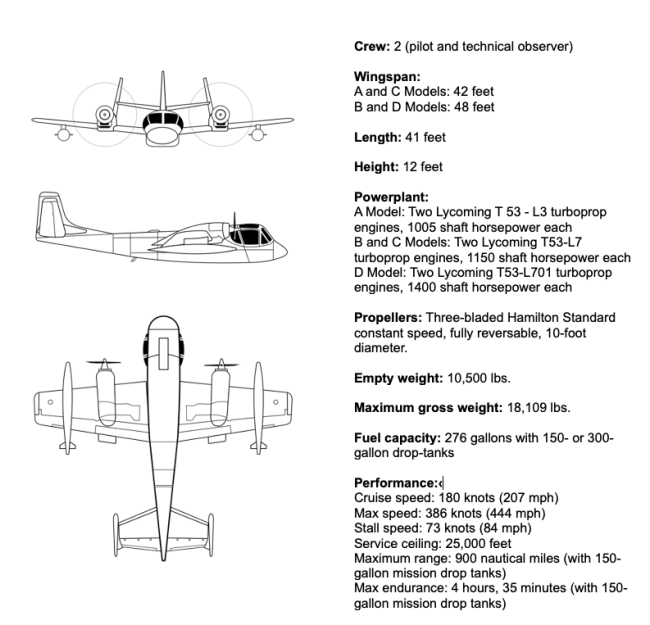
Grumman OV-1 Mohawk —Meet the U.S. Army's Eyes in the Sky in Vietnam - MilitaryHistoryNow.com
“The airplane was fast and acrobatic. It had decent short field takeoff and landing capabilities, as well.” By William Reeder Jr. AN UNUSUAL looking, little-known U.S. Army airplane made significant contributions to vital intelligence collection...
militaryhistorynow.com
Last edited:
