
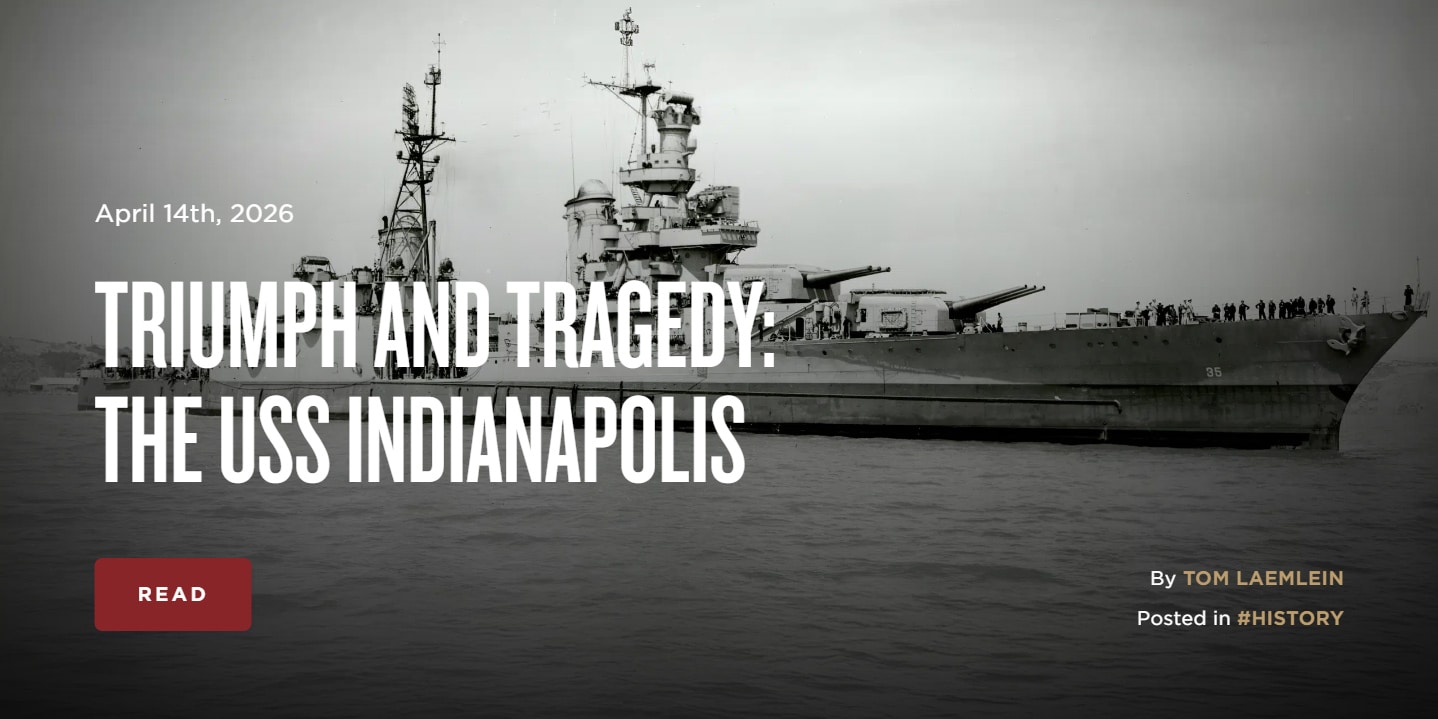
Hello all, here is today's article posted on TheArmoryLife.com. It is titled “Triumph and Tragedy: The USS Indianapolis” and can be found at https://www.thearmorylife.com/uss-indianapolis-tragedy/.


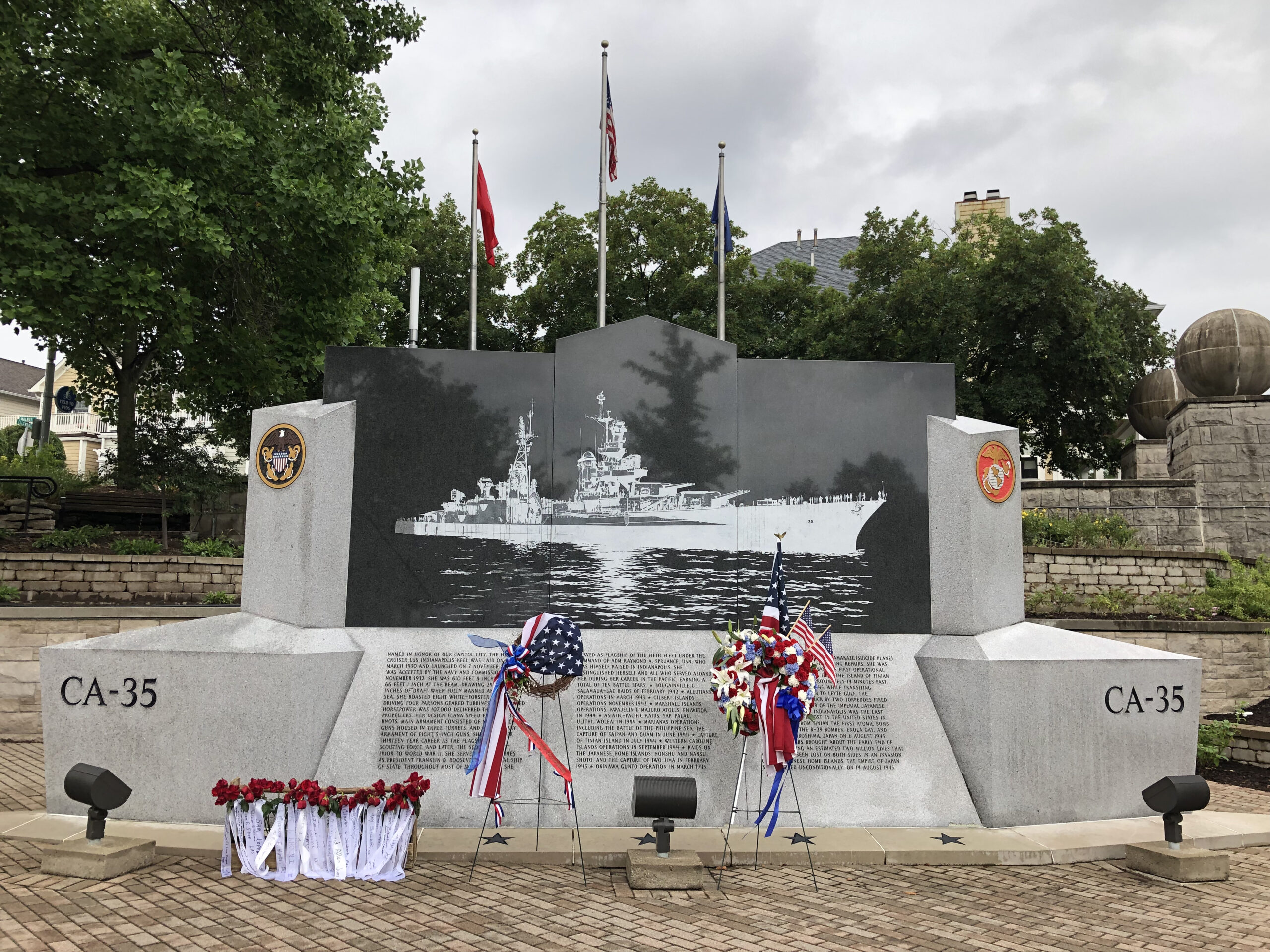

 www.worldwariimonuments.org
It has been a few years since I read the book, but I believe that only two of the Sullivan brothers went down with the ship, and three were alive ... but all succumbed to sharks or the elements ... so none survived. The book is really good, and actually recommended by the survivor who talked to us at the decommissioning of my ship, the newer Juneau.I was listening to a history podcast last night.
That oldest Sullivan was alive after Juneau sank.
He swam around looking for his brothers.
And then of course he died sometime there.
The podcast is well done and called The Unauthorised History of the Pacific War.
One of the guys is retired skipper of the fast attack submarine Indianapolis and Retired Admiral. Bill Toti Todi? I might be messing up his name. (Shame on my memory)
They do have a thing on the Indy but I haven't gotten that far yet.
I've never heard that ... any real blame of this incident went to the Navy. The Juneau had been injured so the ships that it was following, while heading to safety, were unable to stay the slow pace ... more or less leaving the Juneau behind, as a threat appeared, a Japanese submarine ... which also was injured, but easily caught up to the Juneau, and sank her. The Navy was at fault, for not leaving her behind, (as that allowed other ships to get safely away) but they basically forgot about the Juneau and it's crew, not wondering what happened to her or following up. So the sailors that survived losing their ship, were afloat, and ignored in the open sea.Isn't this the case where the Imperial Japanese Commander testified regarding the US ship's movements in a US military court? If so, and warranted or not, bringing in an enemy to testify is a disgusting display.

I found it.I've never heard that ... any real blame of this incident went to the Navy. The Juneau had been injured so the ships that it was following, while heading to safety, were unable to stay the slow pace ... more or less leaving the Juneau behind, as a threat appeared, a Japanese submarine ... which also was injured, but easily caught up to the Juneau, and sank her. The Navy was at fault, for not leaving her behind, (as that allowed other ships to get safely away) but they basically forgot about the Juneau and it's crew, not wondering what happened to her or following up. So the sailors that survived losing their ship, were afloat, and ignored in the open sea.
Sorry ... I was talking about the Juneau ... I really have only the article knowledge of the USS Indianapolis ...I found it.
Japanese Submarine Commander Mochitsura Hashimoto testified on December 13, 1945, at the Washington Navy Yard during the court-martial of Captain Charles B. McVay III, who commanded the USS Indianapolis. This was the first time an officer from an enemy nation testified against a US Navy officer in a court-martial.
View attachment 108763NHHC (.mil) +2
Key Details of the Testimony:
- The Case: McVay was charged with failing to zig-zag his ship, leading to its sinking by Hashimoto's submarine, I-58, in July 1945.
- The Testimony: Hashimoto stated that even if the Indianapolis had been zigzagging, it "would have made no difference to the success of his submarine's attack".
- Significance: While designed to help convict McVay, Hashimoto's testimony ultimately supported the view that the failure was not entirely on the American captain, and in later years, Hashimoto supported the efforts to exonerate him.
Nothing but a thing! After reading your post again, I kinda' thought you were referring to the Juneau.Sorry ... I was talking about the Juneau ... I really have only the article knowledge of the USS Indianapolis ...
