testtest

US, Israel launch attack on Iran as Trump announces 'major combat operations'

This is puzzling to me. Empty tankers are waiting in the Strait to fill up on oil from the USA until it is cleared of mines by our military. If we have so much oil that we can sell it to others, why have our gas prices spiked?
 
This is puzzling to me. Empty tankers are waiting in the Strait to fill up on oil from the USA until it is cleared of mines by our military. If we have so much oil that we can sell it to others, why have our gas prices spiked?

Oil is a global commodity.


Oil prices can rise despite high supply because prices are driven by future expectations, geopolitical fears, and production cuts, rather than just current inventory. Markets often fear future disruptions or calculate that demand is outstripping available refining capacity, driving up prices.

In essence, oil is a global market where market sentiment and expectations of future shortages frequently outweigh the reality of current supply.

Here is why prices rise during high supply:
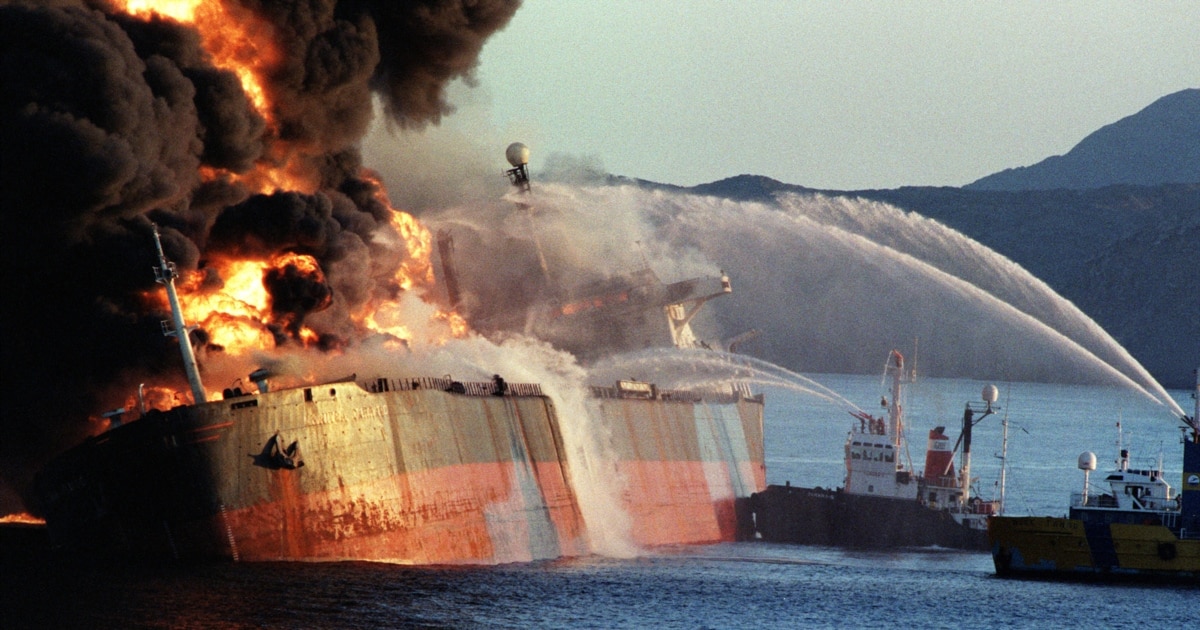
  • Geopolitical Fear Factors: Even if physical oil is available, threats of war, conflict in oil-producing regions (e.g., Middle East, Russia), or threats to key shipping routes (e.g., Strait of Hormuz) create panic, causing traders to bid up prices.
  • Refining Bottlenecks: Plenty of crude oil (raw material) does not mean plenty of gasoline or diesel. If refineries are running at capacity, closed for maintenance, or damaged, fuel prices rise because they cannot turn the crude into usable products fast enough.
  • Market Speculation: Financial traders buy futures contracts based on what they think prices will be. Speculators can drive up prices if they expect a future supply shortage or increasing demand, even if current supply is abundant.
  • Transportation and Logistics: Physical bottlenecks, such as pipeline issues or tanker shortages, can prevent supply from reaching the market, creating local or regional shortages.
 

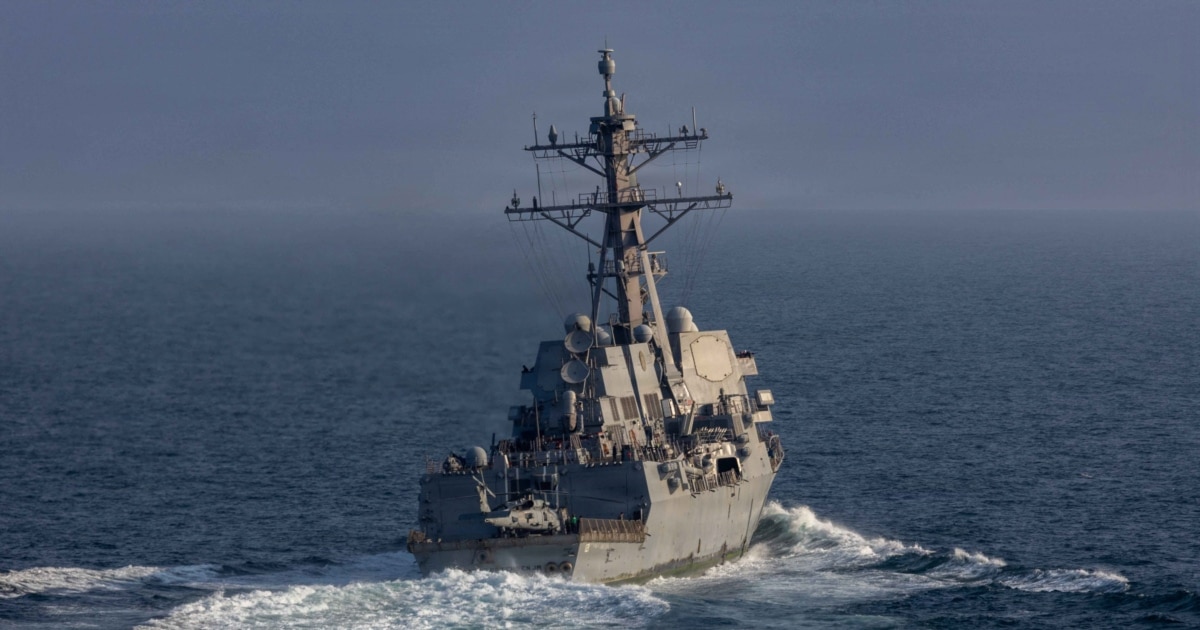
Two destroyers cross Strait of Hormuz ahead of mine clearance mission​

Two Arleigh Burke-class guided-missile destroyers, the USS Frank E. Peterson. and the USS Michael Murphy crossed the strait earlier today and are now sailing in the Persian Gulf, also known as the Arabian Gulf to start preparations for sweeping the waterway for explosives.

Axios reported that the move was not coordinated with Tehran, en as negotiations began earlier today. It’s the first major move by U.S. forces in the area since a two-week ceasefire in the war was announced on Tuesday, April 7.


1775954227683.png
 
ISW Update


Related


1776020345699.png


1776020046851.png


1776020146758.png


1776020189817.png
 

Two destroyers cross Strait of Hormuz ahead of mine clearance mission​

Two Arleigh Burke-class guided-missile destroyers, the USS Frank E. Peterson. and the USS Michael Murphy crossed the strait earlier today and are now sailing in the Persian Gulf, also known as the Arabian Gulf to start preparations for sweeping the waterway for explosives.

Axios reported that the move was not coordinated with Tehran, en as negotiations began earlier today. It’s the first major move by U.S. forces in the area since a two-week ceasefire in the war was announced on Tuesday, April 7.


View attachment 108246
Not coordinated with Tehran. HAHAHAHAHAHA!
 
I see the Saudis are re-opening a pipeline to bypass the strait
The Saudis have had a pipeline to bypass the strait for decades. It runs from Jubayl on their east coast on the Persian Gulf (area where Marines had assembly areas during the Gulf War) to Yanbu on the west coast on the Red Sea. The terminus at Yanbu has seen escalating attacks off and on since the aughts. I read today the pipeline has come under attack, but I didn't see where or how. Iran has been trying to isolate the Arabian Peninsula for decades and they may make higher risk, higher payoff attacks out of desperation.
 
Back
Top