

For decades, the 16 gauge was a respectable cartridge for ducks and upland game, so what happened? To put it bluntly: The 16 gauge was killed by money.

 www.thefirearmblog.com
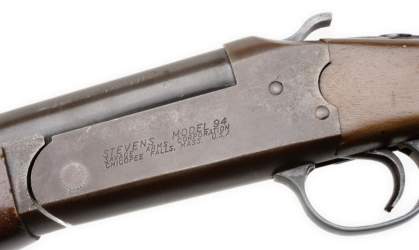
In the decades after World War II, the American manufacturers emphasized cheap guns over nice guns. Most mass-produced shotguns never came out in a specific 16 gauge frame; they were 12 gauge guns with a 16 gauge barrel, and the 16 gauge’s superior handling was repressed.

Also, the 16 gauge was also mostly ignored by clay shooters, who increasingly opted for 12 gauge or 20 gauge to fit into the rulebook and to find cheaper bulk-priced shells.
You can still buy brand-new 16 gauge shotguns, but they’re harder to find, especially in North America. The only 16 gauges in Mossberg’s lineup are over/unders. It’s the same for Savage Arms. Remington’s website will trick you into thinking you can buy a 16 gauge Wingmaster, but they have no SKUs for such a gun. Winchester doesn’t sell a 16 gauge either. At least Browning has 10 different 16 gauge models in its lineup right now; take your choice of the new A5 platform or a Citori over/under.
Fudd Friday: What Happened To The 16 Gauge?
When I was a kid growing up around marshes in the northeast, I used to pick up empty shotgun shells whenever I found them in the weeds, left there in duck season.12 gauge was the norm, with the occasional 10 gauge hull spotted.I never found 20 gauge shells back then, but I did find my fair share...
www.thefirearmblog.com
In the decades after World War II, the American manufacturers emphasized cheap guns over nice guns. Most mass-produced shotguns never came out in a specific 16 gauge frame; they were 12 gauge guns with a 16 gauge barrel, and the 16 gauge’s superior handling was repressed.
Also, the 16 gauge was also mostly ignored by clay shooters, who increasingly opted for 12 gauge or 20 gauge to fit into the rulebook and to find cheaper bulk-priced shells.
You can still buy brand-new 16 gauge shotguns, but they’re harder to find, especially in North America. The only 16 gauges in Mossberg’s lineup are over/unders. It’s the same for Savage Arms. Remington’s website will trick you into thinking you can buy a 16 gauge Wingmaster, but they have no SKUs for such a gun. Winchester doesn’t sell a 16 gauge either. At least Browning has 10 different 16 gauge models in its lineup right now; take your choice of the new A5 platform or a Citori over/under.




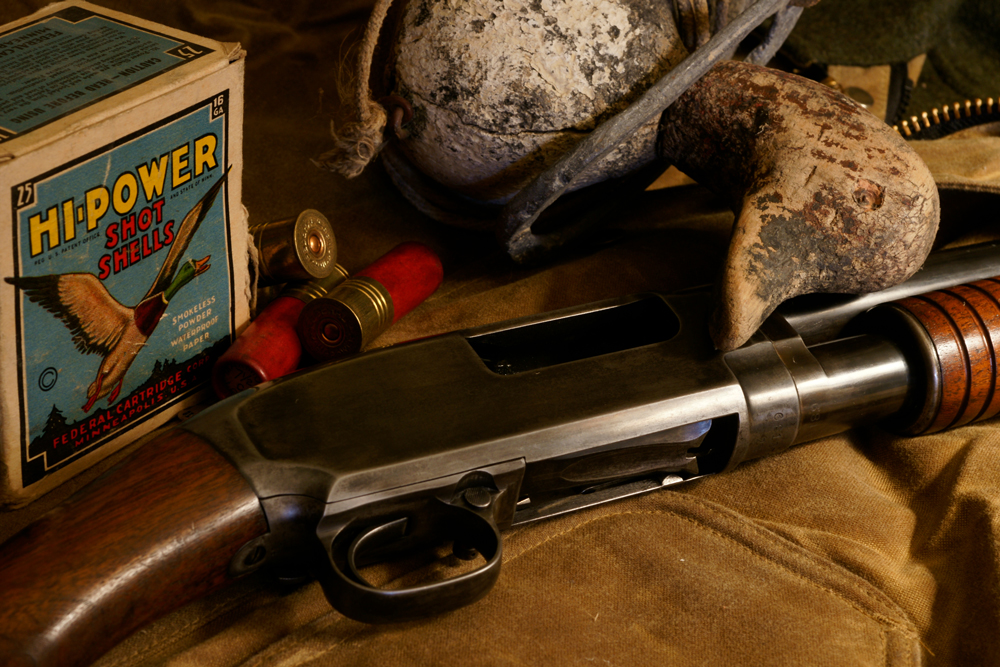

 my "new" model Sweet 16.