testtest

What is a decoppering agent, and why does it matter?

shanneba

Professional
Every Vihtavuori powder produced today have an added decoppering agent, also called anti-fouling agent, designed to reduce the amount of copper residue that forms within the rifle barrel when shooting.

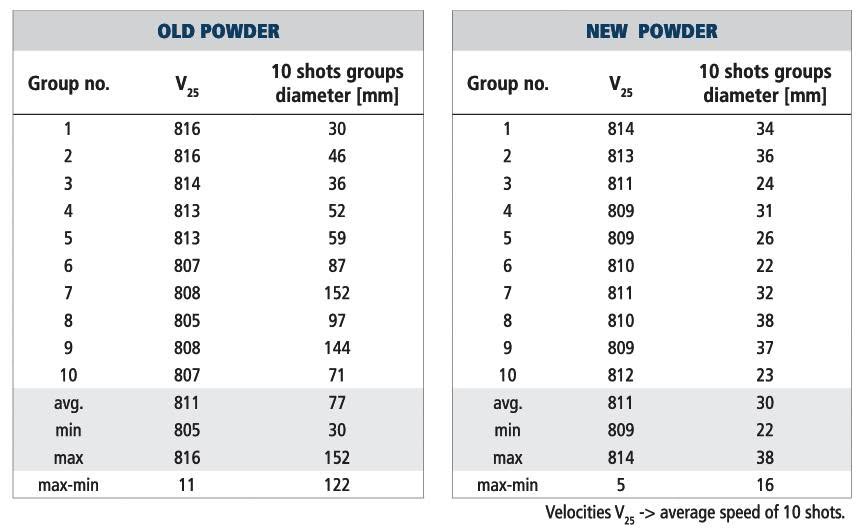
Less copper residue translates as a cleaner rifle barrel. For the reloading target shooter, this means muzzle velocities with less deviation and increased accuracy, especially when firing multiple groups.

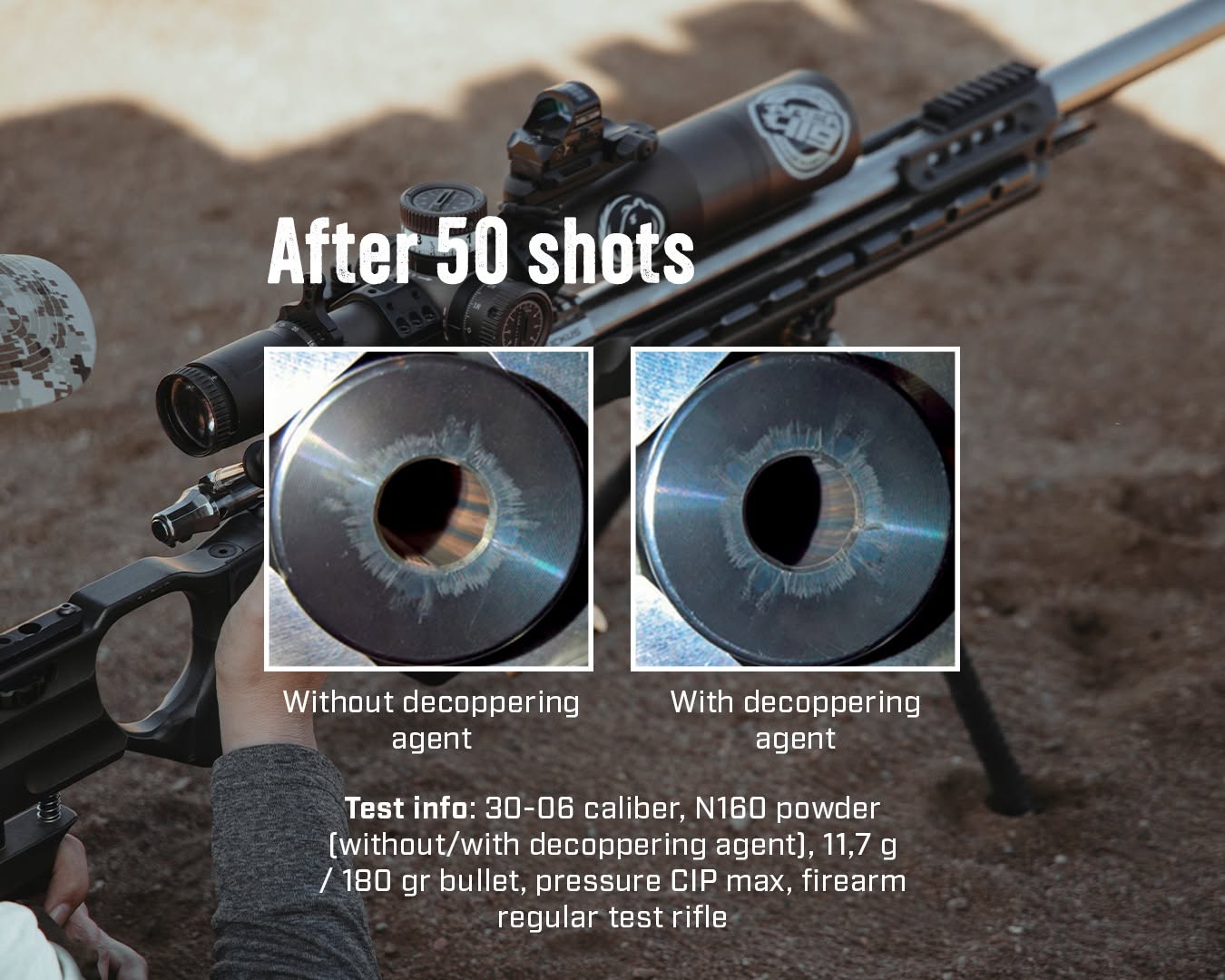
Our comparison tests revealed a clear difference in copper buildup when comparing powders with and without a decoppering agent after both 50 and 100 rounds fired.

Less fouling, more consistency, better results on target.

821714475_1707219994745930_204267394735809172_n.jpg

821692777_1707220011412595_5196163406273800114_n.jpg

823754492_1707219971412599_1982831883994099935_n.jpg


Reloading data and info:
 
Last edited:
I don't know of any factory ammo that uses it.

I know Vihtavuori is part of the Nammo group that includes Lapua ammumition.


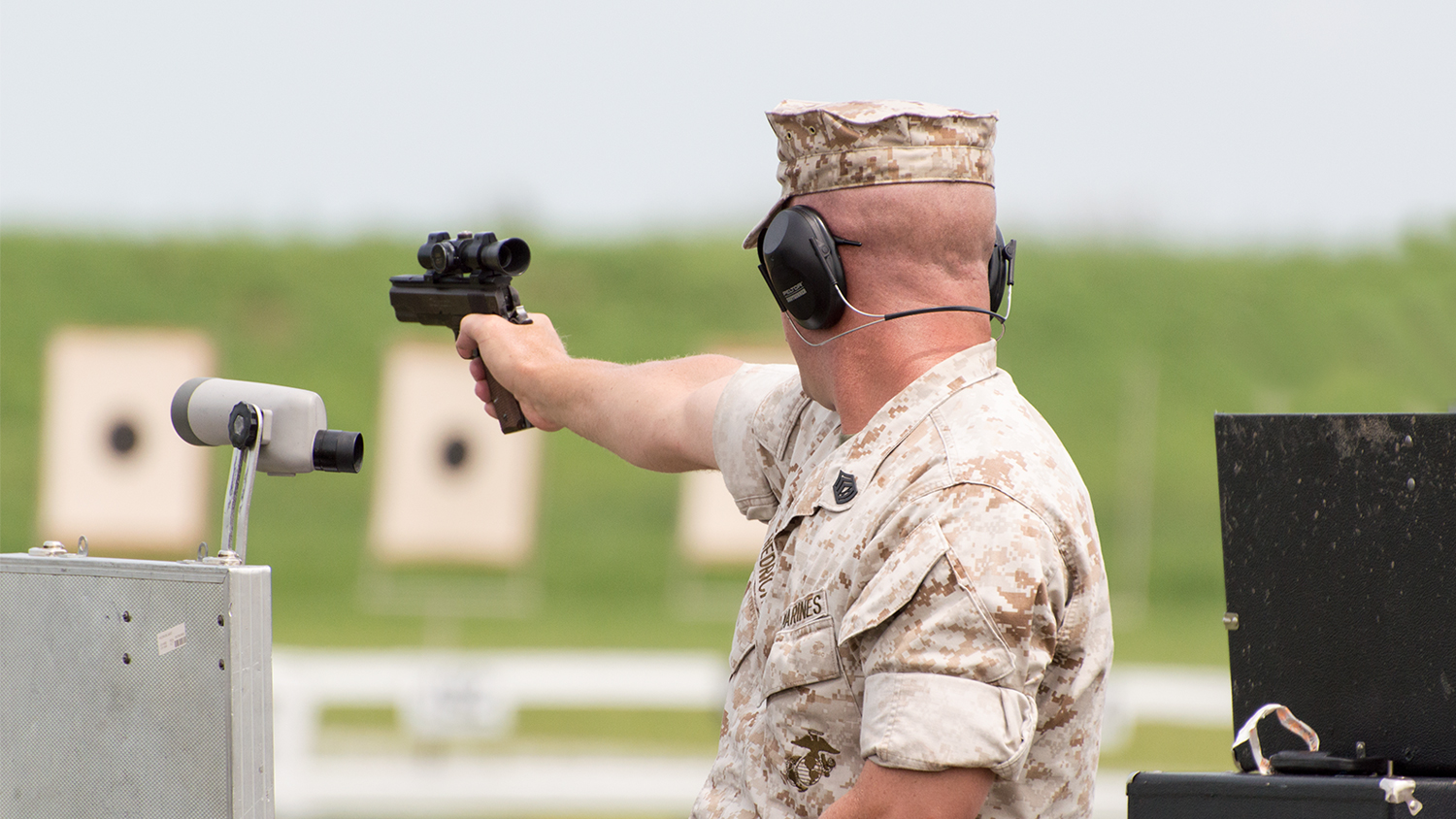
I know for a while some of the military Bullseye pistol teams loaded 45 ACP using N310.

Here is a 1998 Shooting Times article about it
 
Hi,

Interesting! Is this agent used in any factory ammo? Thanks!


Thank you for your indulgence,

BassCliff
I found this :

Factory ammunition that uses similar technology is typically U.S. military 5.56 NATO loadings (the original source of the additive).

Some commercial “clean-fire” or suppressor-optimized lines (for example certain CCI Blazer loads) also use cleaner-burning smokeless powders plus lead-free primers to cut residue, though they do not always use the CFE additive itself.


The powders do not remove existing copper fouling; they slow new buildup. Start with a clean barrel for best results.


Hodgdon’s CFE (Copper Fouling Eraser) smokeless powders are the best-known commercial example of anti-fouling propellant. They contain a proprietary additive originally developed for U.S. military small-arms powder. The additive reduces how much copper from bullet jackets bonds to the bore, so accuracy lasts longer between cleanings.

gunsamerica.com
  • CFE 223 — spherical double-base powder for rifle cartridges such as .223 Rem / 5.56 NATO, .204 Ruger, .22-250, and .308 Win.
  • CFE Pistol — for 9 mm, .40 S&W, .45 ACP and similar handgun rounds.
  • CFE BLK — optimized for .300 Blackout (especially subsonic) and 7.62×39.
 
Hi,

I found this :

Factory ammunition that uses similar technology is typically U.S. military 5.56 NATO loadings (the original source of the additive).

Some commercial “clean-fire” or suppressor-optimized lines (for example certain CCI Blazer loads) also use cleaner-burning smokeless powders plus lead-free primers to cut residue, though they do not always use the CFE additive itself.


The powders do not remove existing copper fouling; they slow new buildup. Start with a clean barrel for best results.


Hodgdon’s CFE (Copper Fouling Eraser) smokeless powders are the best-known commercial example of anti-fouling propellant. They contain a proprietary additive originally developed for U.S. military small-arms powder. The additive reduces how much copper from bullet jackets bonds to the bore, so accuracy lasts longer between cleanings.

gunsamerica.com
  • CFE 223 — spherical double-base powder for rifle cartridges such as .223 Rem / 5.56 NATO, .204 Ruger, .22-250, and .308 Win.
  • CFE Pistol — for 9 mm, .40 S&W, .45 ACP and similar handgun rounds.
  • CFE BLK — optimized for .300 Blackout (especially subsonic) and 7.62×39.

Nice! I appreciate your extra effort. Thanks for sharing. Since I don't reload, I just throught if I could buy factory ammo with the copper reducing agent, why not? Or I could just clean my guns a little more often. ;)

Thank you for your indulgence,

BassCliff
 
Cleanliness is next to godliness, they say. I don't know about more consistency. Lots goes into competitive shooting. So, lots to work on.

Barrels foul because they have imperfections that scrape the copper off bullets. This is nothing new, and very typical of factory barrels. A lot of aftermarket barrels are the same way. Only top-quality target barrels have their bores made uniform and smooth.

I've known high-power competitors who would shoot close to 200 shots before cleaning and their barrels didn't foul. The barrels shot just as accurately after about 200 rounds as they did when starting from a clean bore. But they also used IMR4064 powder; one of the cleanest burning powders around.

When I shot benchrest, I couldn't get back to my bench fast enough to clean and "de-grease" my barrel with lighter fluid because that is what the top-tier shooters were doing.

Hard to tell if it made a difference at 100 and 200 yards.

Anyone remember when moly-coated bullets were all the rage? Like then, this could be marketing hype to sell more powder.

The jury will be out for a while on this one.
 
Anyone remember when moly-coated bullets were all the rage? Like then, this could be marketing hype to sell more powder.
Yes! You sure don't hear a peep about that anymore. For a minute it was moly grease, moly fortified this or that, moly,moly,moly....
 
Back
Top