

Post-Helene Update and the Importance of Radio After a Natural Disaster
It’s often said that modern communications infrastructure fails us after a disaster.
Mobile phone networks can go offline and even when restored can remain unreliable dropping calls and/or only supporting basic voice calls and text messaging, without data or media attachments.
Internet services like cable, fiber, and DSL can go out with satellite internet having connection, but there's no guarantee that that won't go out depending on the scope & Scale of an event.
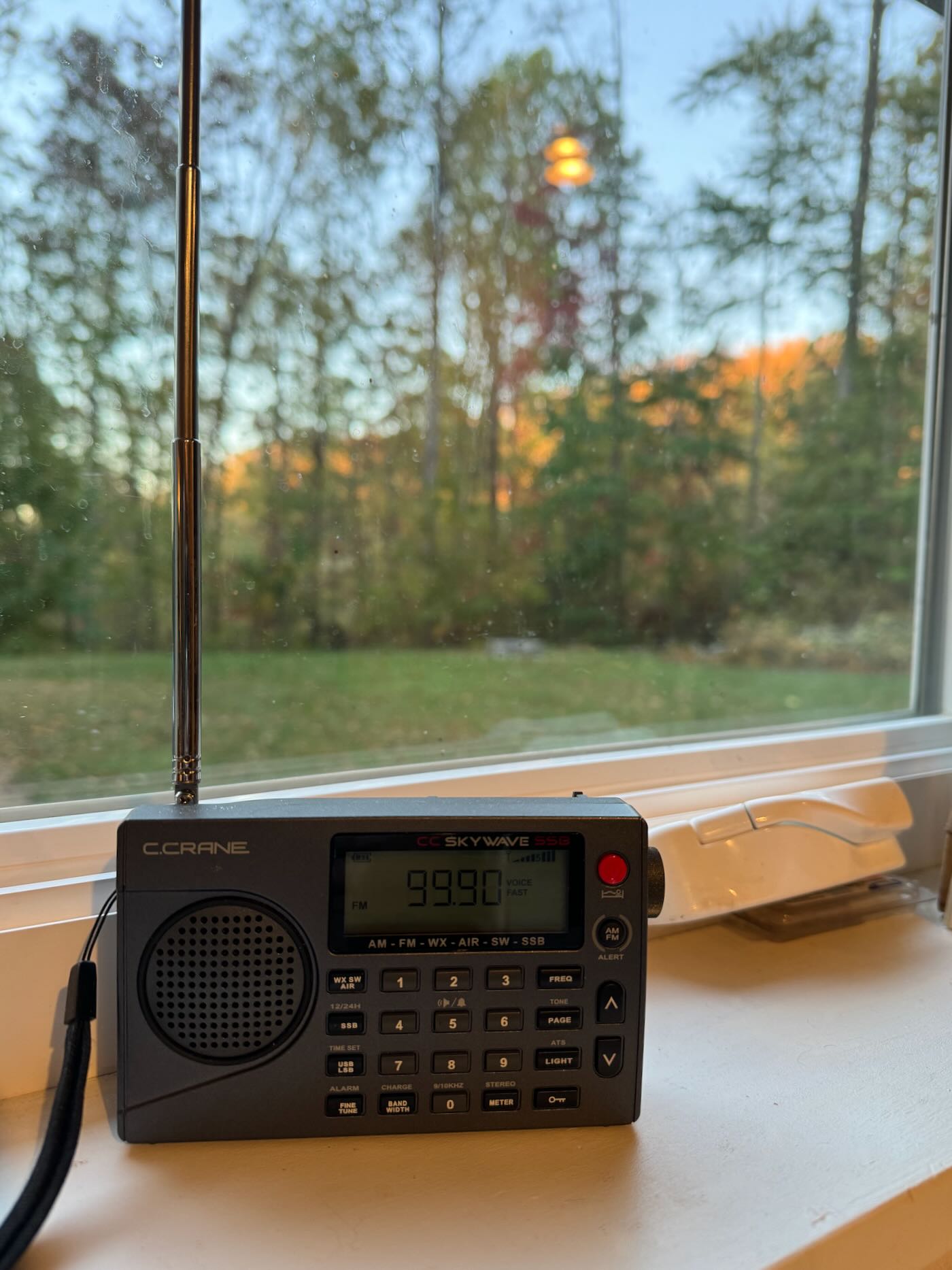

It’s often said that modern communications infrastructure fails us after a disaster.
Mobile phone networks can go offline and even when restored can remain unreliable dropping calls and/or only supporting basic voice calls and text messaging, without data or media attachments.
Internet services like cable, fiber, and DSL can go out with satellite internet having connection, but there's no guarantee that that won't go out depending on the scope & Scale of an event.
Post-Helene Update and the Importance of Radio After a Natural Disaster
No matter where you live in the world, everyone should have a battery-powered or self-powered (hand-crank) portable radio in their home. Recently, the pace of articles here on the SWLing Post has s…
swling.com


