

Two of the most overlooked cuts of venison deserve a serious second look: the Top and Bottom rounds.
Located at the back of the hind leg, below the rump and above the shank, these large muscles are often turned into burger, stew meat or jerky. While they work for all three, sending every round through the grinder wastes some of the most versatile meat of a deer, elk or moose.
If you take your animal to a professional processor, ask how the top and bottom rounds will be handled. If you process your own deer but are still learning the different muscle groups, understanding the rounds can open the door to steaks, roasts, schnitzel and slow-cooked meals.
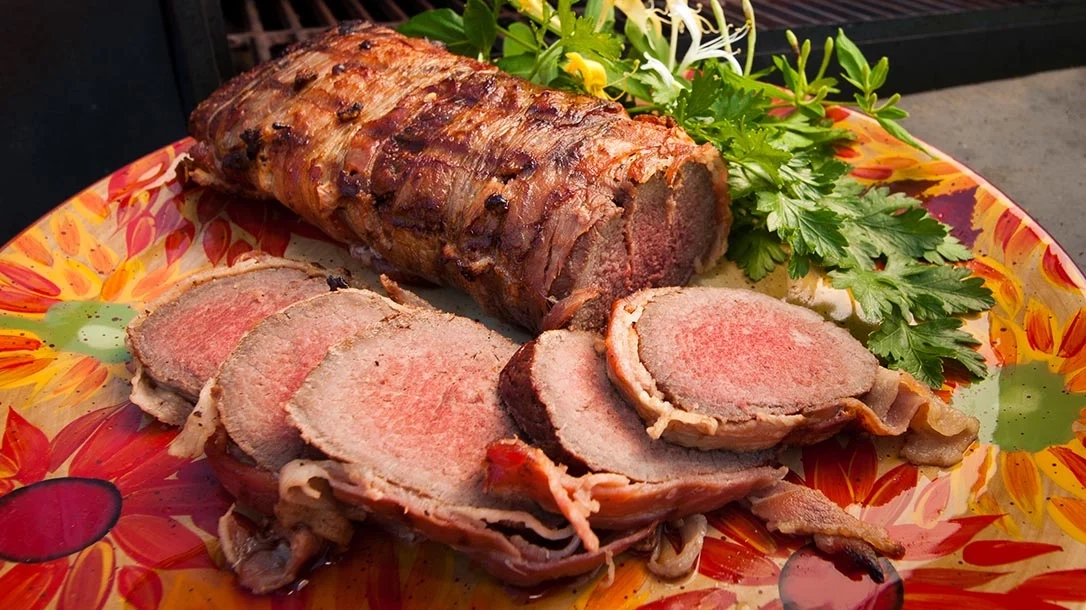
The top and bottom rounds sit behind the leg and above the shank. Once the hindquarter is separated into individual muscle groups, the rounds are relatively easy to identify. Between them is a smaller, cylindrical muscle known as the eye of round. Some processors leave it attached to the bottom round, while others remove it as a separate cut.
The eye of round is sometimes called the “hidden tenderloin.” It is exceptionally lean and relatively tender when prepared correctly, with a texture and shape that make it suitable for small steaks or roasts. Top and bottom rounds can be grilled, roasted, braised, smoked, fried or sliced thin for stir-fry. That versatility makes them worth separating and labeling during processing.

 athlonuntamed.com
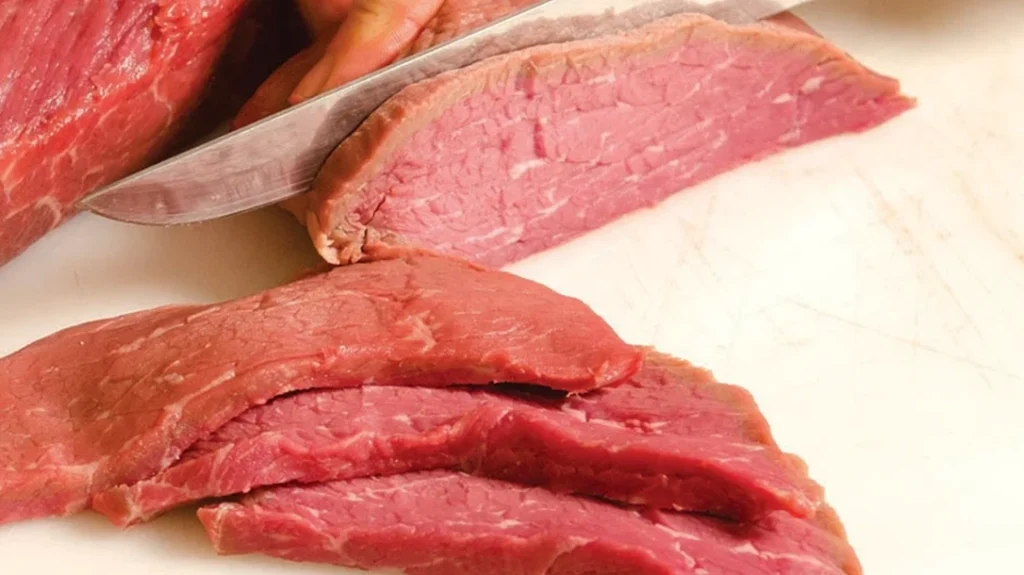
One option is to prepare a London broil-style cut. Slice horizontally across the round from end to end, creating a steak approximately ¾ to 1 inch thick and 8 to 10 inches long. Depending on the animal’s size, a deer may provide one or two substantial steaks from each top round.
Located at the back of the hind leg, below the rump and above the shank, these large muscles are often turned into burger, stew meat or jerky. While they work for all three, sending every round through the grinder wastes some of the most versatile meat of a deer, elk or moose.
If you take your animal to a professional processor, ask how the top and bottom rounds will be handled. If you process your own deer but are still learning the different muscle groups, understanding the rounds can open the door to steaks, roasts, schnitzel and slow-cooked meals.
What Are Venison Rounds?
In simple terms, the rounds are the large muscles along the back of an animal’s hind leg, roughly comparable to the hamstrings in a human. These are working muscles, which means they are lean and dense.The top and bottom rounds sit behind the leg and above the shank. Once the hindquarter is separated into individual muscle groups, the rounds are relatively easy to identify. Between them is a smaller, cylindrical muscle known as the eye of round. Some processors leave it attached to the bottom round, while others remove it as a separate cut.
The eye of round is sometimes called the “hidden tenderloin.” It is exceptionally lean and relatively tender when prepared correctly, with a texture and shape that make it suitable for small steaks or roasts. Top and bottom rounds can be grilled, roasted, braised, smoked, fried or sliced thin for stir-fry. That versatility makes them worth separating and labeling during processing.
Wild Game 101: How To Utilize Venison Rounds
Don’t grind your venison rounds. Learn how to turn top and bottom rounds into tender steaks, roasts, cube steak and smoked venison.
athlonuntamed.com
How to Cut Venison Round Steaks
Both top and bottom rounds can be turned into steaks, although a little care is required because these working muscles are firmer than backstrap or tenderloin.One option is to prepare a London broil-style cut. Slice horizontally across the round from end to end, creating a steak approximately ¾ to 1 inch thick and 8 to 10 inches long. Depending on the animal’s size, a deer may provide one or two substantial steaks from each top round.