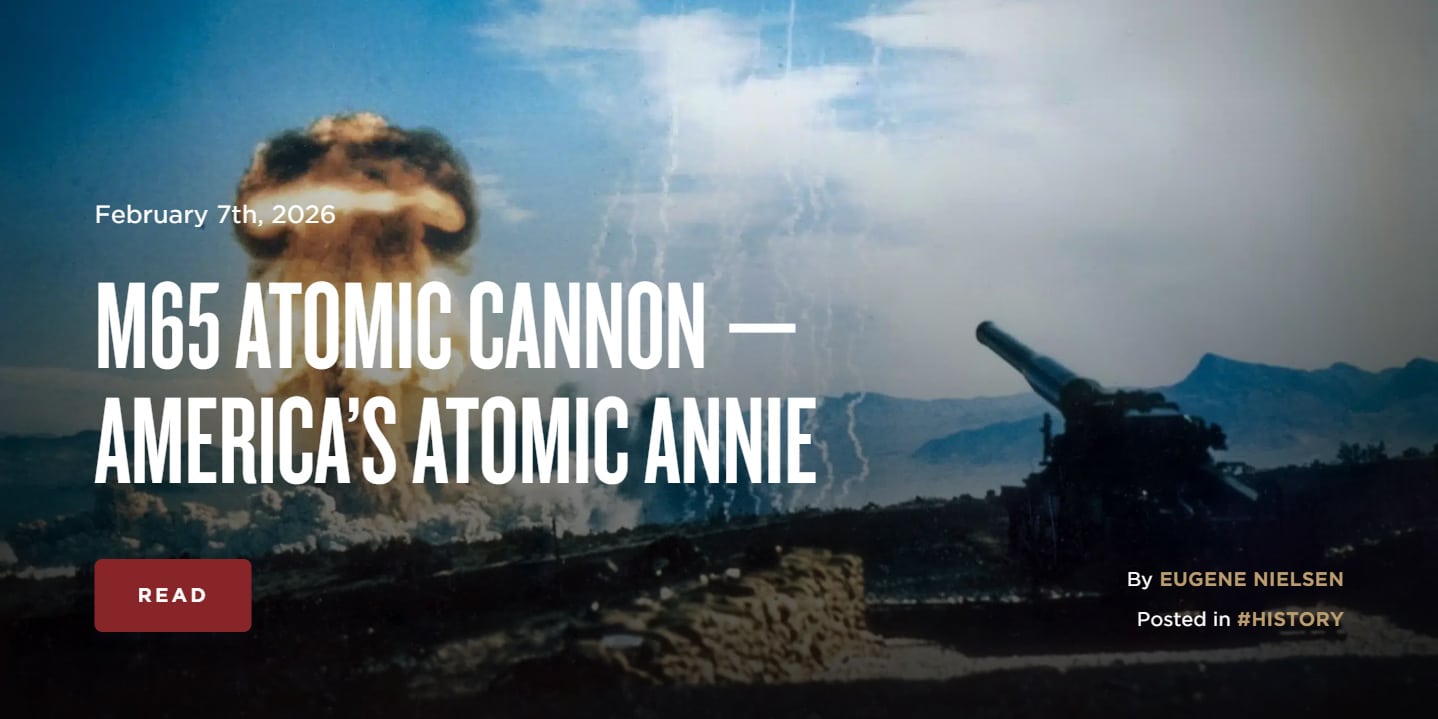
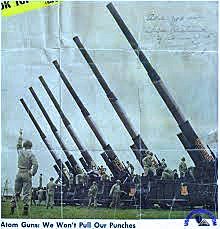
Annie was NOT the "the only nuclear-capable artillery piece ever deployed by the United States"... She was only the first, as well as the only cannon to actually fire a live nuclear projectile. With the development of additional models of projectiles, both the U.S. 155mm and 8-inch howitzers became nuclear-capable with tactical weapons, requiring that the Russkies had to consider any U.S. heavy or medium artillery battery to be such, at least until Bush eliminated the Army's tactical nuclear stockpile in 1991, after the Gulf War. One of the main reasons for keeping the 8-inch howitzers in the inventory was they were one of the primary capable weapon systems at corps and division level.
The M65 was capable of firing conventional shells as well; while it was designated to the nuclear mission, its ammunition came not only as the atomic projectile, each such weapon came with a set of conventional HE "spotter" projectile (as well as matching powder charges) used to register the gun prior to firing for effect with the nuclear weapon. As most any graduate of the Gunnery Department at Fort Sill can tell you, you typically fired a high-burst registration with the spotters or conventional HE ammunition, then made the necessary Met + VE conversions to adjust your firing data from "spot" to "hot" to fire for effect.
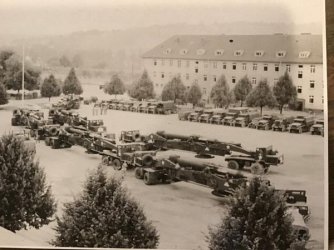
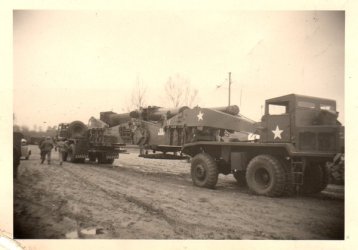
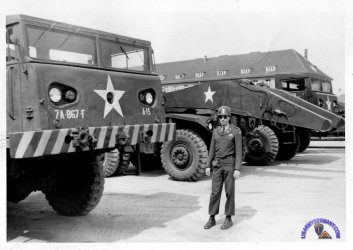
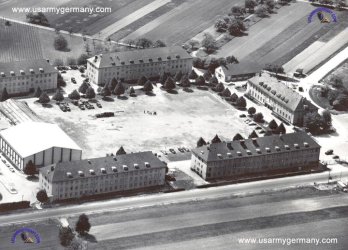
Annie was assigned to A Battery, 867th Field Artillery Battalion, stationed at Artillery Kaserne in Neckarsulm, Germany, a part of the Heilbronn military community. Artillery Kaserne, fondly known as "AK", subsequently hosted a group (battalion) of Redstone missiles, as well as the 3-84th Field Artillery, a Pershing missile battalion before the Pershings were eliminated under the INF Treaty. Here are a few images of the 687th FA gathered on the parade ground/parking lot at Artillery Kaserne while they were stationed there.
Artillery Kaserne no longer exists; it was abandoned after the withdrawal of the Pershing missile system, the site was razed and rebuilt as an engineering tech park.