testtest

The Realities Of Long-Range Hunting

Talyn

Emissary
Founding Member
Good Article...
-------------------------------

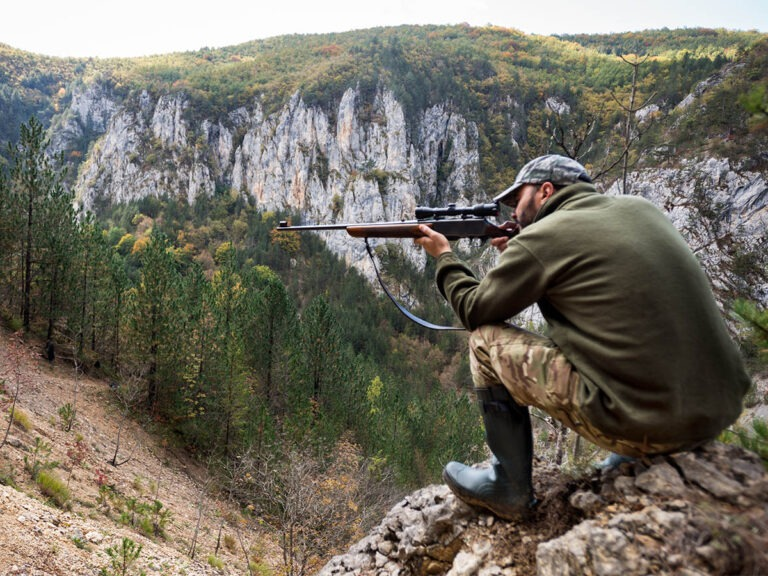
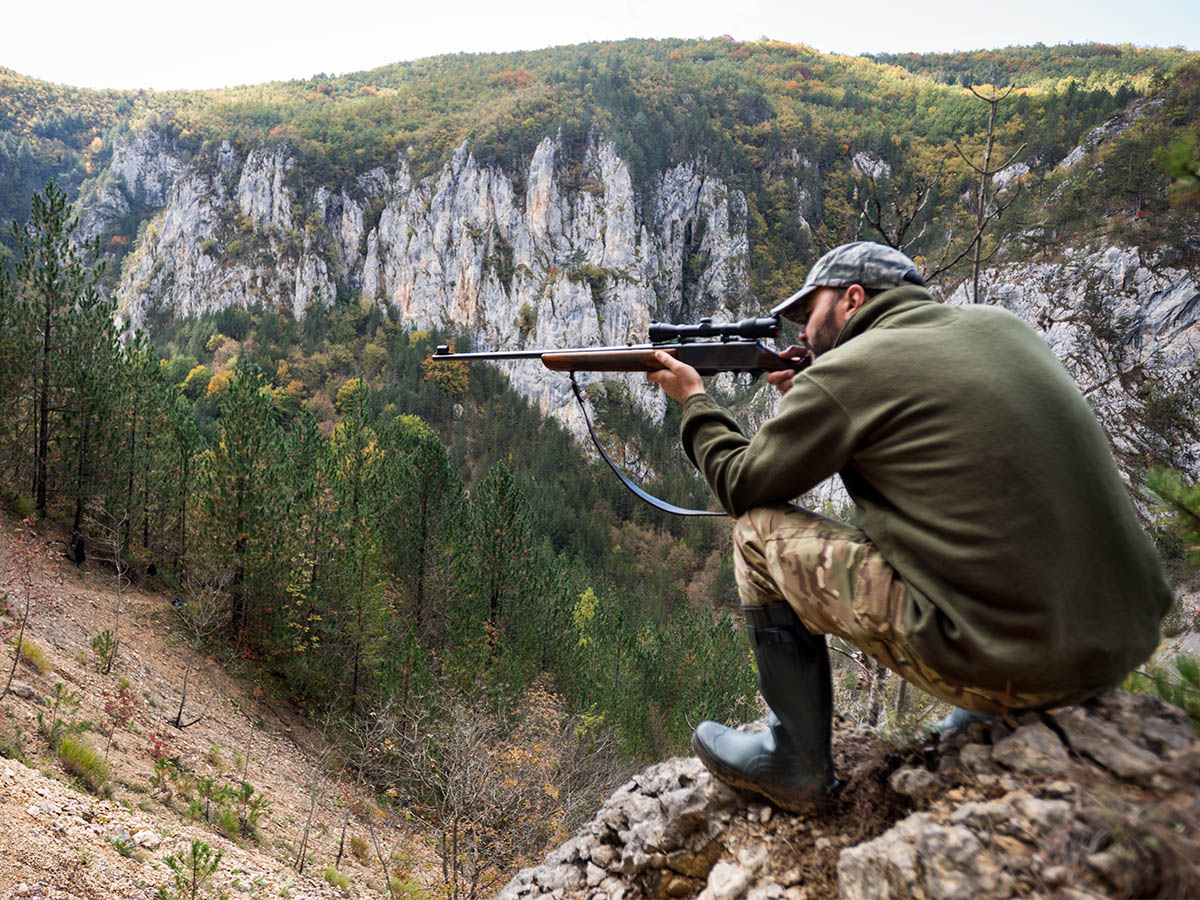
Uncontrollable variables and physics argue strongly against excessively long-range hunting. But how far is too far?

The debate over long-range hunting has long existed.

Technological advances over the past quarter century have accentuated it. Laser rangefinders. High magnification scopes. High-BC bullets. Pocket anemometers with barometric pressure gauges. Computerized scopes and binoculars. Turret dialing scopes. Even scopes that automatically illuminate the proper aiming dot for precise shot placement at any distance.

How far is too far? How do we define unethical and irresponsible?

1786397706361.png
 
Several things I was taught as a lad, no shots where: you can't be sure of what is behind the target, no shots except the animal is on the hoof and not bedded down, for waterfowl - none on the water - only shots once birds are on the "wing", flying. And so on. We didn't have all the fancy scope and calculators back then so ethical shots meant what you can reasonably do and no more. It is a good discussion, best had with beverages 'round a warm fire with good friends.
 
Just because we can, don't mean we ought to...

That was something hammered into my thick skull more than twice. About many things, hunting especially. When I started hand gunning, I limited my shot to the caliber I was using. The gun limit left me with humane and makable shots.
 
Oh come on, if you can't make the shot because you don't practice, don't knock on someone that can because they do.

I practice to 800 and wouldn't hesitate to take that shot if all conditions are right. I shoot whitetails in the head at 200+ yards on the regular. My longest whitetail kill is 538.7 yards. 1 shot anchored where it stood. The only reason I havent taken one longer is the lack of open spaces in Alabama to do so.
 
I've lost count of the folks that come out here and go to a LGS, and say they want a rifle that will kill an elk at 1K yards.

And I've seen out-of-staters taking shots at elk when they didn't have the skills nor knowledge of the country & existing conditions that made a shot like that highly unlikely.

They watch those hunting shows on TV that glorify long-distance shooting, with guys popping animals with all sorts of fancy gear, on game ranches.
 
At what range can YOU (not your rifle) place every shot into a 5 inch paper plate? And THAT is a stationary target. If you can’t put every round in that small circle then practice until you can OR shorten your range until you find a distance where you can….
 
At what range can YOU (not your rifle) place every shot into a 5 inch paper plate? And THAT is a stationary target. If you can’t put every round in that small circle then practice until you can OR shorten your range until you find a distance where you can….
I say the same about pistols 😁😉
 
All this talk of shot placement at extreme distances is necessary but let's not overlook how elevation plays a significant role also. Whether it's squeezing off a round above or below you. Not to mention crosswind encounters...etc.
 
All this talk of shot placement at extreme distances is necessary but let's not overlook how elevation plays a significant role also. Whether it's squeezing off a round above or below you. Not to mention crosswind encounters...etc.
That's why you practice real life situations and not just static bench practice.

I would say 500 yards is the sweet spot. Most people with any skill at all can make a shot out to 500. Once beyond 500, its a different story. That's where you have to start to true your data and velocity. That's where your reloading skills start to really show how well your routine is doing. Double digit es and SD numbers start having an effect on grouo size and swings in velocity can mean the difference between a solid hit, a marginal hit or a miss.
At 1000 yards you better have all your crap together. Beyond 1k, no one should be shooting at live animals. To much to go wrong with so very little input.

Outside elements play a HUGE roll in what it takes to make a shot beyond 500 yards. Air temp, humidity, pressure, wind and elevation all come into play.
 
I’ve spent a LOT of years shooting and hunting. A Serious rifleman with a good rifle Can hit at 500, BUT it’s not by any means “easy”. I’ve shot my shard of pasture poodles and picket pins at 400-500 using a rested M77 in .220 Swift, and I’ve shot an NM Garand and an A3 Colt match in competition. I’ve also spent a lot of time at local ranges shooting and hanging out/working at gun shops. I was also an active member of a black powder club . I clearly remember one year we held an over the log shoot at 100 yards-shoot what you bring-just no optics. Dudes brought 30/30’s; 06’s; .308’s and at least one 7mm mag. The dude that took the prize was a club member shooting a .32 round ball flinter-HE was a rifleman. Based on all I’ve seen in over 60 years I’d bet decent money that not 1 out of 25 random deer hunters walking through the LGS can consistently (or ever) hit a one gallon jug first shot at 500, and precious few could at 300. And that’s a stationary target with no adrenaline spike for the shooter. An awful lot of guys buy a box of ammo, shoot a few “sighters” at 100 or so and if they group in a 4-5” circle it’s “good enough”. They’ll be back in a year or two for another box of ammo. These guys may get deer at short range but there is no way in the world these dudes could ever ethically take game at long range.
 
Back
Top