




 August 13th, 2019
 4:52 runtime
When I first heard the phrase double tap, I thought I understood exactly what it meant. Two quick shots. Simple. Clean. Tactical. It is a term that floats around gun ranges, training videos, movies, and internet forums with a kind of assumed authority. Everyone nods when it comes up. Everyone thinks they know what it means. But standing on the range in Peoria, Arizona, talking with Freddie Blish, I realized how slippery that phrase really is.

What I learned that day changed the way I think about training language, and more importantly, how careless terminology can shape bad habits. Double tap is not just a casual phrase. It is a misnomer that hides two very different shooting techniques, each with its own purpose, rhythm, and place in defensive training.
Problem with the Term Double Tap
Double tap sounds precise, but it is actually vague. It lumps together two techniques that should never be confused. When people say double tap, they usually mean firing two shots in quick succession. But they rarely explain how those shots are aimed, how the sights are used, or what the shooter is trying to accomplish.

Freddie put it plainly. What most people call a double tap is either a controlled pair or a hammer pair. Those are not the same thing. They look similar to the untrained eye, but they come from different training philosophies and solve different problems.
When language blurs technique, training suffers. Shooters think they are practicing one thing when they are actually practicing another. That is how myths grow. That is how bad habits stick.
Understanding the Controlled Pair
The first concept Freddie walked me through was the controlled pair. This is the technique most people should master first, especially if precision matters.
In a controlled pair, I take a full sight picture for each shot. I press the trigger, the gun fires, I reacquire my sights, and I press again. Two well-aimed shots. The rhythm can be fast, but the key is that each shot is individually confirmed.
This matters at distance. Once you get past about 10 yards, precision becomes critical. Center mass is the goal, but center mass still requires discipline. A controlled pair lets me manage recoil, confirm alignment, and place both rounds where they need to go.
What struck me most was how calm this technique feels. There is no rush to outrun the sights. There is no attempt to cheat the process. It is methodical, efficient, and reliable.
In real terms, the controlled pair is what I reach for when the target is small, partially exposed, or farther away. It is also what I rely on when accountability matters, such as training for accuracy rather than speed.
Understanding the Hammer Pair
Then came the hammer pair. This is the technique many people picture when they say double tap.
In a hammer pair, I take one sight picture and press the trigger twice without reacquiring the sights between shots. The goal is two fast hits using the same visual reference. It is aggressive, efficient, and built for speed.

This technique shines at close distances. Think bad breath range out to about 10 yards. At that range, the time it takes to reacquire sights may cost more than it gains. If my initial sight picture is solid, I can deliver two effective hits quickly and control the recoil through grip and stance.
The hammer pair is not sloppy. It is not spraying rounds. It still demands discipline. But it trades a bit of precision for speed when speed matters more.
When and Why Each Technique Matters
The mistake many shooters make is thinking one technique replaces the other. It does not.
A controlled pair is about precision under pressure. A hammer pair is about speed under threat. Both are tools. Both have a place. Neither should be called a double tap.
At distance, I want the controlled pair. I want confirmation. I want accountability for every round.
Up close, when reaction time matters more than fine alignment, the hammer pair gives me an edge. It lets me solve an immediate problem fast, then reassess.
The key is intention. I do not fire two shots just because two sounds good. I fire two shots because the problem in front of me demands it.
Why Language Shapes Training
This is where the internet does real damage. Freddie said something that stuck with me. The internet can be the error net.
People hear a term, repeat it, and strip it of meaning. Soon, everyone is saying double tap, but no one can explain what they are actually doing. Training becomes a game of buzzwords instead of skills.

When a student tells me they practice double taps, my first question now is simple. What do you mean by that.
Do you mean two sight pictures and two presses? Or do you mean one sight picture and two fast presses? If they cannot answer that, they are not training deliberately.
History matters here. These techniques did not appear by accident. They evolved from real-world experience, real fights, and real training doctrine. When we erase that history with sloppy language, we lose the wisdom behind the technique.
Precision, Distance, and Decision Making
One thing Freddie emphasized was distance. That single factor changes everything.
Past 10 yards, controlled pairs dominate. Sight alignment errors grow quickly with distance. A hammer pair that works at five yards can miss badly at fifteen.
Inside 10 yards, the hammer pair becomes viable. But even then, I must know my limits. Grip strength, recoil control, and trigger discipline all determine whether those two rounds land where they should.
This is not about speed for its own sake. It is about delivering effective hits as efficiently as possible.
Role of Equipment and Consistency
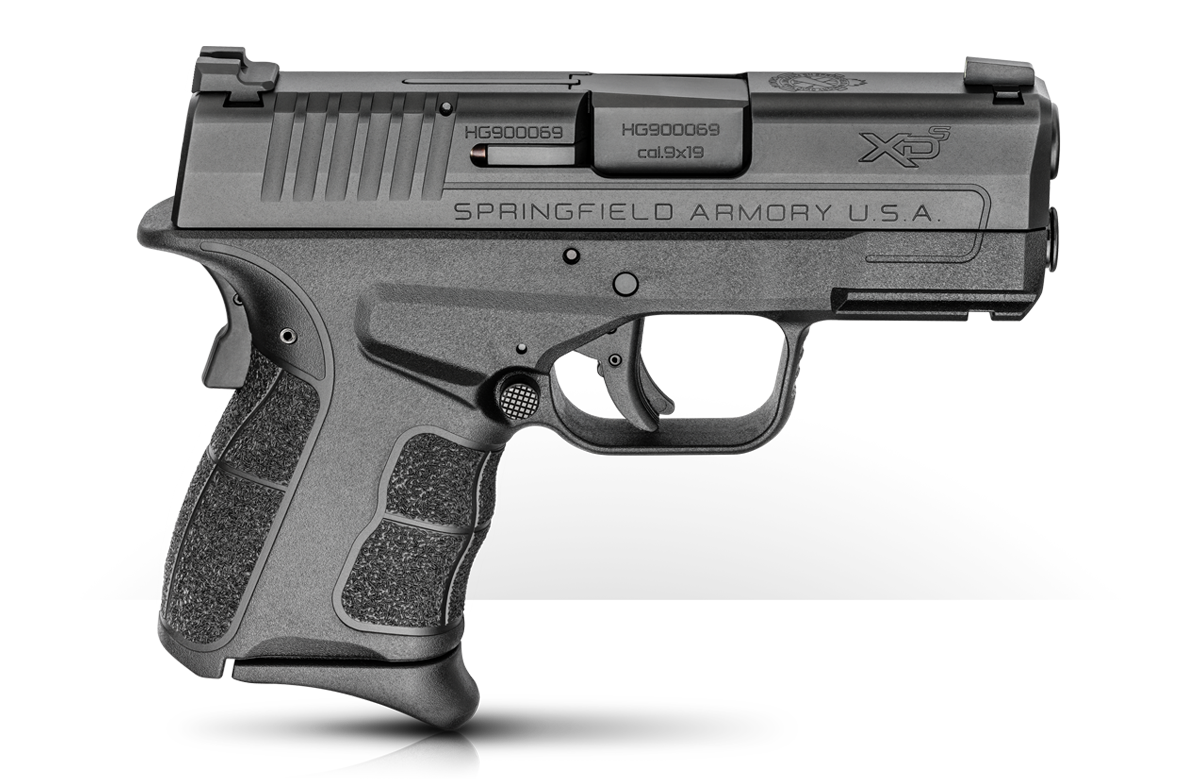
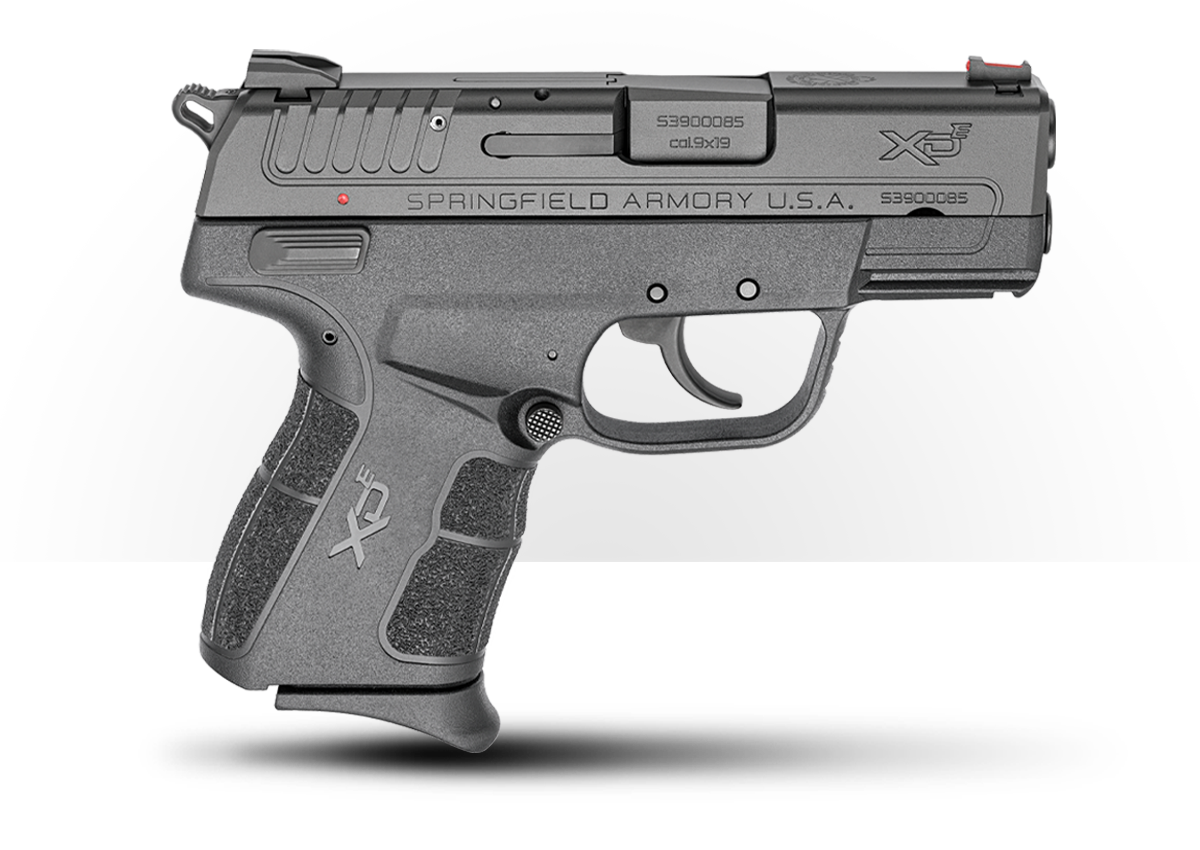
We were both running compact pistols, practical everyday carry guns in 9 millimeter. These are not competition race guns. They are the kind of pistols people actually rely on.

That matters because technique must match equipment. A hammer pair with a lightweight carry gun demands strong fundamentals. A controlled pair with a short sight radius demands patience.
Good training does not chase trends. It builds consistency. It teaches me to choose the right tool for the right problem.
Moving Beyond the Myth of Double Tap
After that session, I stopped using the phrase double tap altogether. It does not help me. It does not help my students. It hides more than it reveals.
Instead, I say controlled pair or hammer pair. Those words force me to think. They force me to choose deliberately. They remind me that every shot is a decision.
If there is one lesson I took from that day, it is this. Precision in language leads to precision in action.
Conclusion: Choose Technique, Not Buzzwords
Double tap sounds tactical, but it is empty. It is a shortcut word that skips the thinking part of training.
Controlled pair and hammer pair are not just labels. They are strategies. They reflect distance, threat level, precision, and intent.
As shooters, we owe it to ourselves to train with clarity. We owe it to the history of these techniques to use their names correctly. And we owe it to safety to know exactly what we are doing when we press the trigger twice.
From now on, when someone says double tap, I pause. Then I ask what they really mean.
Join the Discussion
Featured in this video
Share


Continue Reading


Did you enjoy this video?

 15
15
Springfield Armory® recommends you seek qualified and competent training from a certified instructor prior to handling any firearm, and to be sure to read your owner's manual. The views and opinions expressed on this website are those of the authors and do not represent the views and opinions of Springfield Armory.
Product prices mentioned in articles and videos are current as of the date of publication.

Yamil Sued
Yamil is a graduate of the prestigious Brooks Institute of Photographic Arts and Sciences in Santa Barbara, CA with a Major in Illustration Photography and Color Technology with over 34 years of professional experience. Yamil started his professional relationship with the Shooting Industry in 1995 and has since worked with companies like Springfield Armory, S&W, Glock, FNH USA, Remington, Bushmaster, Bushnell, Leupold, Aimpoint, PWS, Vortex Optics, Cor-Bon Ammunition, ERGO Grips, AmeriGlo Sights, Krause Publications, Comp Tac Victory Gear, The Beta Company, IDPA, MGM Targets, Rainier Ballistics, Rock Castle Shooting Center, SIG Sauer and was a Staff Photographer for Cabela’s in Sidney, NE. Yamil is also a Writer and Photographer for Guns & Ammo, Guns & Ammo SIP's and Gun Digest.