





John Pedersen: The Greatest Gun Designer?
 September 22nd, 2020
 4 minute read
John Pedersen was the greatest gun designer of his time. But wait, you say. How dare you disparage the name of John Moses Browning? Cool your jets because the opinion is not mine: it’s Browning’s.
Yes, that’s right. John Browning thought the world of John D. Pedersen. Though less famous, Pedersen was a remarkably skilled designer. Browning was certainly in a position to recognize Pedersen as a gun design genius. And in many ways, the two men’s careers mirrored one another.
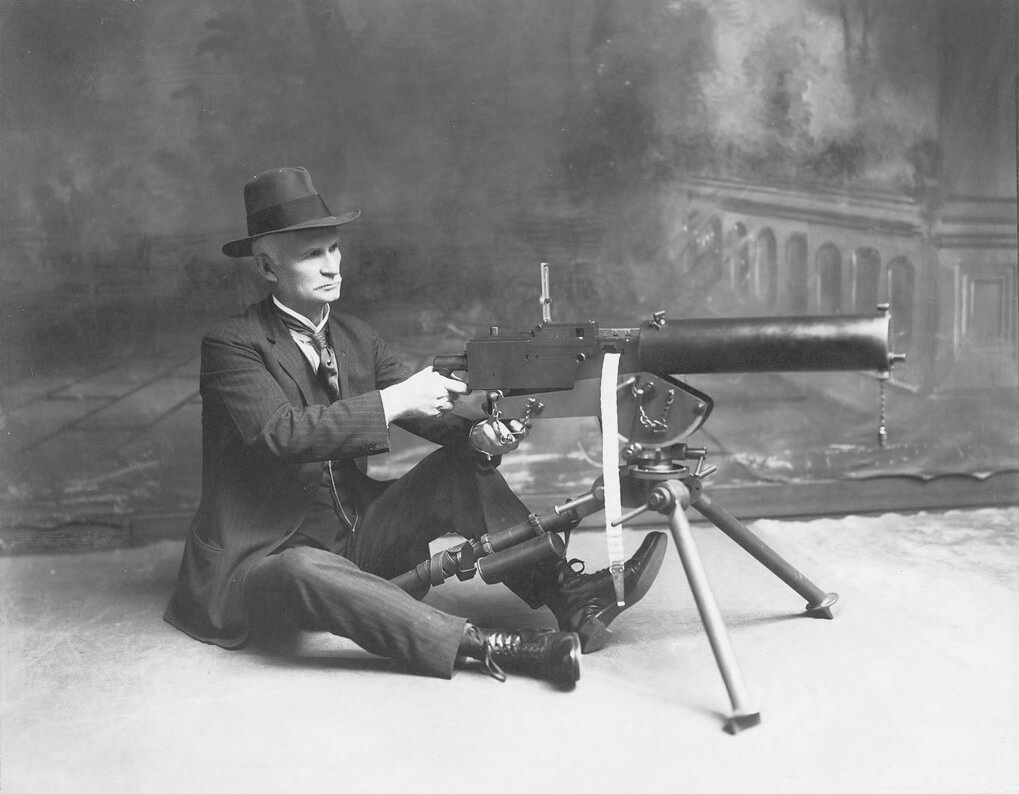
John D. Pedersen: The Mystery Man
John Douglas Pedersen made quite an impression, if unsung, impact on the firearms world. Browning went as far as to tell Major General Julian Sommerville Hatcher, “Pedersen was the greatest gun designer in the world.”
When you look at Pedersen’s career and the timeframe in which Browning made his claim, it becomes much easier to see how he could have come to that conclusion. Born in 1855, Browning was 26 years older than Pedersen, who was born in 1881. Because of their age difference, Pedersen was likely seen by Browning as part of the next generation of great gunsmiths when he bestowed such kind words in the early 20th century.
As I stated above, the two men’s careers mirrored one another. At the very least, Browning’s career afforded Pedersen a sturdy pair of shoulders on which to stand. Like Browning, Pedersen spent a good bit of his time developing arms for the military as well as the civilian market.
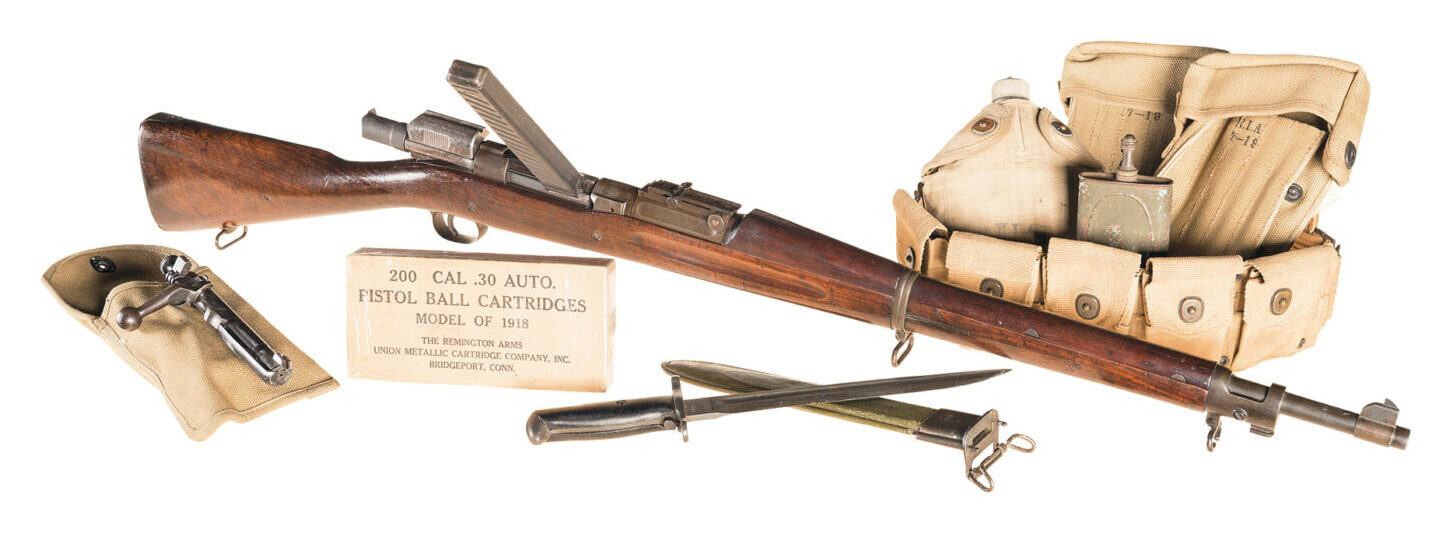
Best known for the “Pedersen Device,” which turned the bolt-action Springfield Model 1903 bolt-action rifle into a semi-automatic that fired pistol-caliber cartridges, his device was slated to be pushed into service for the spring 1919 offensive of World War I.
What the pistol cartridges lacked in power compared to the rifle cartridges, they more than made up for in terms of quantity and capacity. Simple math proved that a soldier could fire far more shots in a shorter period of time with the semi-auto Pedersen Device than they could with the bolt-action M1903.
With the armistice taking place on November 11, 1918, the 1919 offensive never came and the device never saw service. The devices sat as surplus before being destroyed to prevent the design falling into the hands of one of America’s enemies.
Pedersen’s Unsung Genius
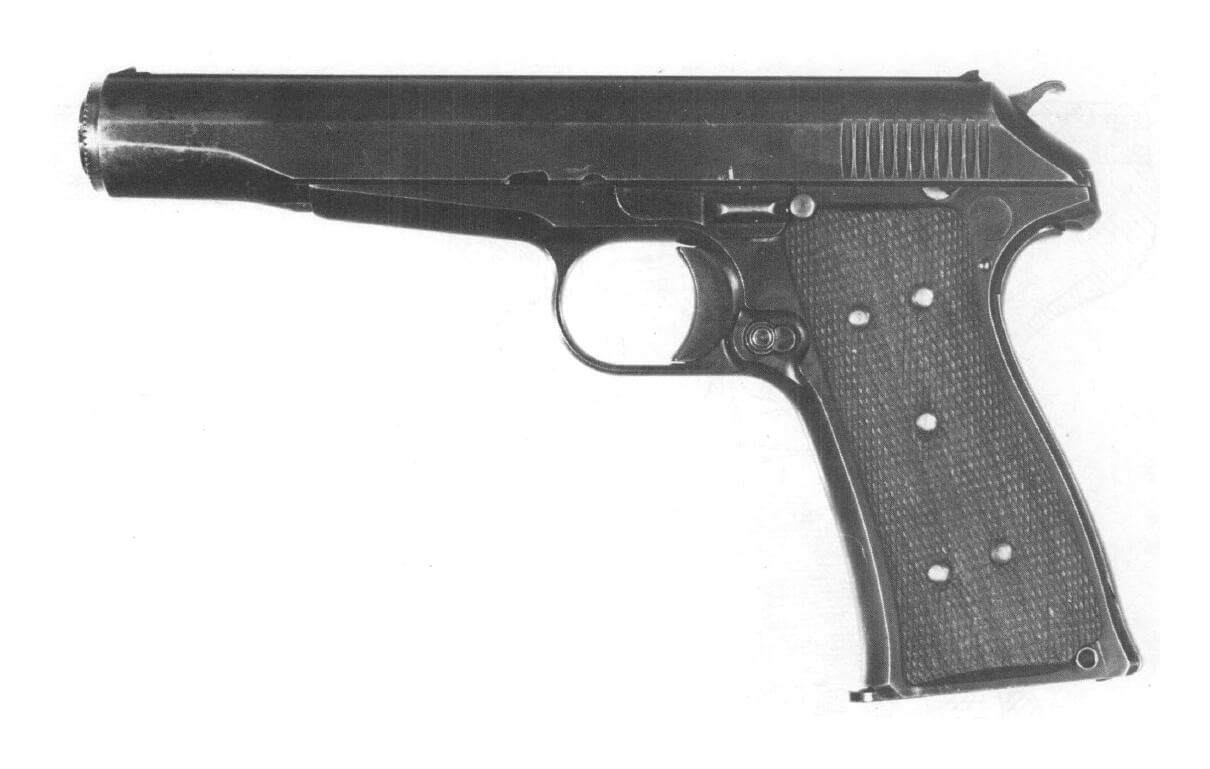
Pedersen also designed a handgun to compete with the newly adopted, Browning-designed Model 1911. Tested by both the U.S. Army and Navy, it was favorably reviewed but never adopted. The Army dismissed it because arms factories had already been tooled up for a large 1911 contract. The Navy’s interest in Pedersen’s pistol design stemmed from a lack of 1911 availability, but to re-tool a factory for another different design would have only further exacerbated the 1911 supply shortage.
Pedersen also submitted a gun to compete in the trials for the M1903’s replacement rifle. Pedersen’s entry was a toggle-lock design that fired rounds in his own .276 Pedersen caliber (to learn more about that rifle, click here). It ultimately lost the rifle trials to a design by John Cantius Garand (to learn more about Garand, click here).
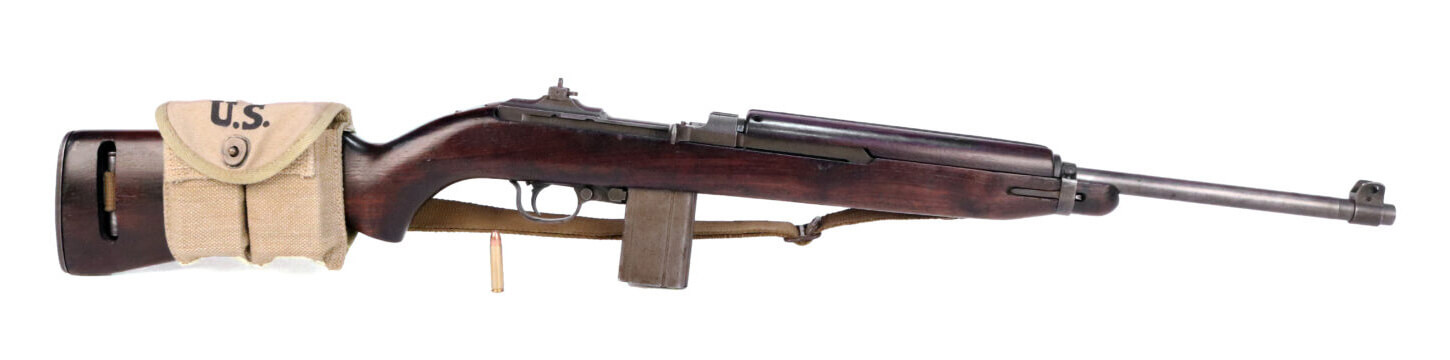
However, Pedersen did find some success. During World War II, the Irwin-Pedersen partnership produced 3,500 M1 carbines before the remainder of the contract was shifted to Saginaw. (To learn more about the M1 Carbine, click here.)
Working Together
Pedersen and Browning were not always just friendly rivals; in one instance, the two men collaborated on a shotgun. Introduced in 1921, they completed the design for a 20-gauge pump-action shotgun. The success of that design led to several more very successful shotgun designs.
The two gunsmiths who had so much in common also had a commonality to their deaths. Both men died of heart disease — specifically, heart failure for Browning and a heart attack for Pedersen. Browning died in 1926 at the age of 71; Pedersen died in 1951 at the age of 70. The former had more than 100 arms-related patents to his name, while the latter had 69 — no slouch, to be sure.

Live The Armory Life. The latest content straight to your inbox plus an automatic entry to each of our monthly gun giveaways!
Conclusion
John Pedersen may not be as widely known as John Browning, but that doesn’t make his accomplishments within the arms industry any less impressive. To have Browning call him the greatest gun designer in the world is, without a doubt, the highest praise an arms designer could receive.
If Browning thought he was the best, well, then that’s good enough for me. In my mind, that settles it; I’m not going to argue with a man whose middle name was Moses!
Editor’s Note: Please be sure to check out The Armory Life Forum, where you can comment about our daily articles, as well as just talk guns and gear. Click the “Go To Forum Thread” link below to jump in and discuss this article and much more!
Join the Discussion
Share


Continue Reading

Did you enjoy this article?

 164
164
Springfield Armory® recommends you seek qualified and competent training from a
certified instructor prior to handling any firearm and be sure to read your owner’s manual. These
articles and videos are considered to be suggestions and not recommendations from Springfield Armory. The views
and opinions expressed on this website are those of the authors and do not necessarily reflect the
views and opinions of Springfield Armory.
Product prices mentioned in articles and videos are current as of the date of publication.

T. Logan Metesh
Logan Metesh is an historian with a focus on firearms history and development. He runs High Caliber History LLC and has more than a decade of experience working for the Smithsonian Institution, the National Park Service, and the NRA Museums. The ease with which he can recall obscure historical facts and figures makes him very good at Jeopardy! but exceptionally bad at geometry.